| Essential Guide to – FHIR (Fast Healthcare Interoperability Framework from HL7 )  Within modern healthcare technology, data interoperability has become a prominent topic. Electronic health records (EHRs) must be accessible across platforms for specified parties, while protecting data integrity. Seamless data exchange improvements are sought after in the field by healthcare providers, stake holders and developers. Fast Healthcare Interoperability Resources (FHIR) is the solution developed by the Health Level 7 standards organization (HL7 ). Today, we dive into an increasingly important push towards FHIR framework and what you need to know on its rise within the healthcare technology. [Read More] Within modern healthcare technology, data interoperability has become a prominent topic. Electronic health records (EHRs) must be accessible across platforms for specified parties, while protecting data integrity. Seamless data exchange improvements are sought after in the field by healthcare providers, stake holders and developers. Fast Healthcare Interoperability Resources (FHIR) is the solution developed by the Health Level 7 standards organization (HL7 ). Today, we dive into an increasingly important push towards FHIR framework and what you need to know on its rise within the healthcare technology. [Read More]
What standards and regulations affect a food safety laboratory? 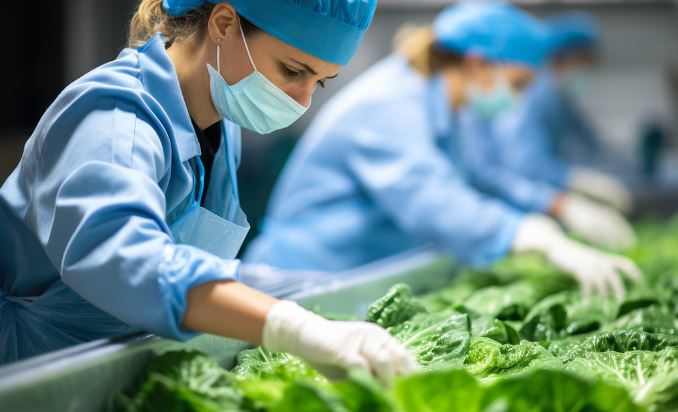 Food safety laboratories navigate a comprehensive regulatory environment, ensuring the security of the worldwide food supply. In order for the food and beverage industry to be a safer, more well-trusted industry, it must incorporate quality control and standardized manufacturing methods into its efforts, which in turn require laboratory analyses to ensure meeting those quality and manufacturing standards. [Read More] Food safety laboratories navigate a comprehensive regulatory environment, ensuring the security of the worldwide food supply. In order for the food and beverage industry to be a safer, more well-trusted industry, it must incorporate quality control and standardized manufacturing methods into its efforts, which in turn require laboratory analyses to ensure meeting those quality and manufacturing standards. [Read More]
Run Your Lab Like a Business – Part 1  In this blog article, we are discussing a very interesting and ambitious topic: Run Your Lab Like a Business. We will explore why it can be beneficial for some labs to adopt a managing business approach to their operations, aiming for best practices, optimal solutions, and greater achievements. Would running your lab like a business lead to real success? Why is this approach important, and how can it benefit your laboratory? We delve into the reasons why adopting this mindset can drive greater efficiency and success in your lab operations. [Read More] In this blog article, we are discussing a very interesting and ambitious topic: Run Your Lab Like a Business. We will explore why it can be beneficial for some labs to adopt a managing business approach to their operations, aiming for best practices, optimal solutions, and greater achievements. Would running your lab like a business lead to real success? Why is this approach important, and how can it benefit your laboratory? We delve into the reasons why adopting this mindset can drive greater efficiency and success in your lab operations. [Read More]
AZ Sint-Maarten goes paperless with DaVinci LIS 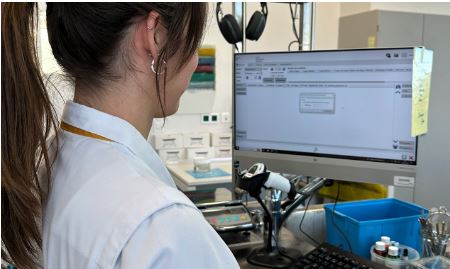 In March 2023, the Pathological Anatomy Laboratory at the AZ Sint-Maarten hospital in Mechelen, Belgium, went live with a new DaVinci environment. In addition to upgrading the existing DaVinci laboratory information system (LIS), three separate databases were also merged into a single, central, multi-site environment. The laboratory now operates with a process-driven and virtually paperless workflow. [Read More] In March 2023, the Pathological Anatomy Laboratory at the AZ Sint-Maarten hospital in Mechelen, Belgium, went live with a new DaVinci environment. In addition to upgrading the existing DaVinci laboratory information system (LIS), three separate databases were also merged into a single, central, multi-site environment. The laboratory now operates with a process-driven and virtually paperless workflow. [Read More]
What potential does a LIMS have in improving the safety and satisfaction of food and beverage consumers? 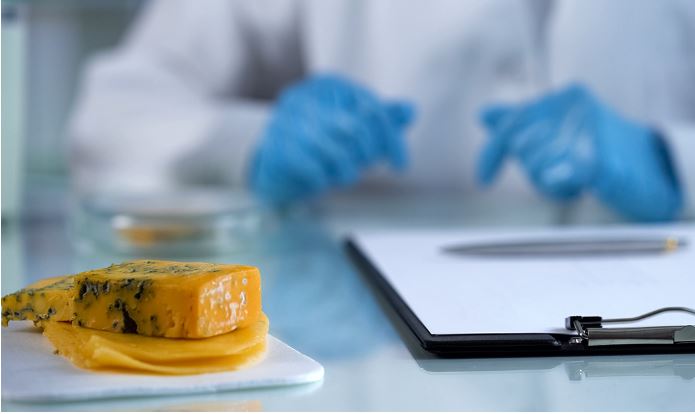 In food and beverage labs, paper-based approaches have given way to digital informatics approaches for maintaining the safety and satisfaction of consumer-driven demand for quality foods and beverages. This includes the laboratory information management system (LIMS), which brings the potential for greater traceability and improved insight into the processes of the food and beverage business. [Read More] In food and beverage labs, paper-based approaches have given way to digital informatics approaches for maintaining the safety and satisfaction of consumer-driven demand for quality foods and beverages. This includes the laboratory information management system (LIMS), which brings the potential for greater traceability and improved insight into the processes of the food and beverage business. [Read More]
Artificial Intelligence (AI) within LIMS and the Laboratory  A Laboratory Information Management System (LIMS) provides the central repository for data produced in the laboratory. Mining that data using artificial intelligence (AI) allows managers to make decisions based on insights. But what do we mean by AI, when and how can a laboratory start to incorporate it in its processes, and when will it be all pervasive in the laboratory? [Read More] A Laboratory Information Management System (LIMS) provides the central repository for data produced in the laboratory. Mining that data using artificial intelligence (AI) allows managers to make decisions based on insights. But what do we mean by AI, when and how can a laboratory start to incorporate it in its processes, and when will it be all pervasive in the laboratory? [Read More]
Looking for a LIMS? Here Are the Top 5 Things to Consider  With countless systems, complex workflows, and vast amounts of data, navigating the complex world of informatics is enough to make your head spin. Homegrown systems and disconnected data silos decrease productivity and increase risk in already complicated industries. Laboratory Information Management Systems (LIMS) are essential for productivity in laboratory testing, helping teams manage samples, workflows, and inventory to keep processes and workflows moving forward. [Read More] With countless systems, complex workflows, and vast amounts of data, navigating the complex world of informatics is enough to make your head spin. Homegrown systems and disconnected data silos decrease productivity and increase risk in already complicated industries. Laboratory Information Management Systems (LIMS) are essential for productivity in laboratory testing, helping teams manage samples, workflows, and inventory to keep processes and workflows moving forward. [Read More]
AI in a Research and Development Lab: Are We There Yet?  Artificial intelligence (AI) is a term we see and hear a lot nowadays. It is associated with the things surrounding us daily: home electronics, cars, public transportation, shopping, etc. Has this trend reached the benches of the general research and development (R&D) lab yet? Can AI make the lives of R&D lab analysts easier? Well, yes, but not in all aspects of the work—at least not yet. This blog looks at potential applications of AI in R&D labs today and where it might still need to improve. [Read More] Artificial intelligence (AI) is a term we see and hear a lot nowadays. It is associated with the things surrounding us daily: home electronics, cars, public transportation, shopping, etc. Has this trend reached the benches of the general research and development (R&D) lab yet? Can AI make the lives of R&D lab analysts easier? Well, yes, but not in all aspects of the work—at least not yet. This blog looks at potential applications of AI in R&D labs today and where it might still need to improve. [Read More]
| 

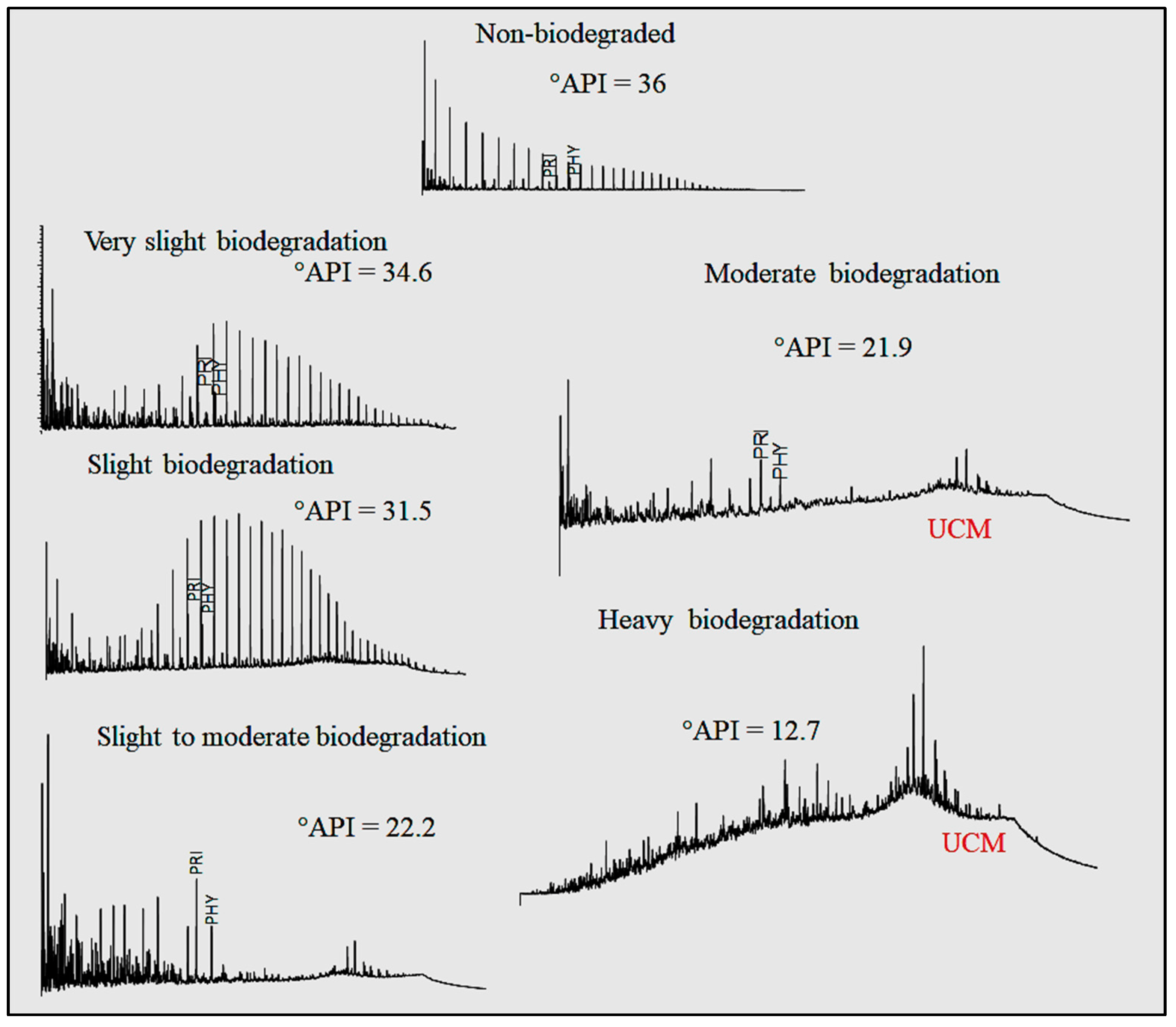 The use of chromatography methods in characterizing and interpreting phenomena related to oil has been around for a long time. However, reading chromatograms—particularly large quantities of them—can be time-comsuming. Bispo-Silva et al propose a more rapid process using modern deep learning and artificial intelligence (AI) techniques, increasingly being used in large companies. The authors land on using convolutional neural networks (CNN) for this work, particularly in the use of discriminating biodegraded oils from non-biodegraded oils. After presenting background on the topic, as well as their materials and methods, the authors present the results of using CNN and a variety of algorithms to classify chromatograms with both accurate and misleading training materials. The authors conclude that "CNN can open a new horizon for geochemistry when it comes to analysis by" a variety of gas chromatography techniques, as well as "identification of contaminants (as well as environmental pollutants), identification of analysis defects, and, finally, identification and characterization of origin and oil maturation."


