| Laboratory Reporting: Improving Accuracy, Efficiency, and Compliance  Clear, efficient reporting is essential for lab success. By automating data capture, standardizing templates, integrating centralized systems, and applying role-based access, labs can streamline reporting, reduce errors, and stay compliant. These strategies boost accuracy, improve decision-making, and support better scientific and operational outcomes. [Read More] Clear, efficient reporting is essential for lab success. By automating data capture, standardizing templates, integrating centralized systems, and applying role-based access, labs can streamline reporting, reduce errors, and stay compliant. These strategies boost accuracy, improve decision-making, and support better scientific and operational outcomes. [Read More]
LIMS Customization vs. Configuration 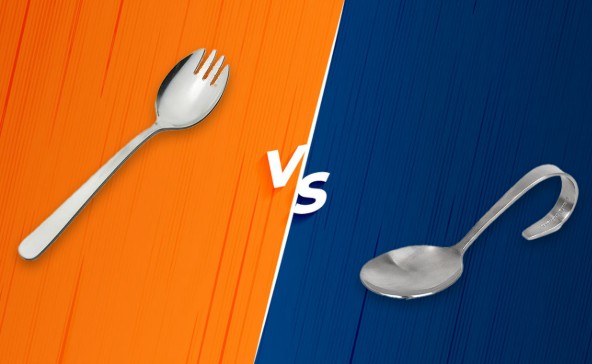 Whether to solve LIMS design puzzles via configuration or customization is an age-old question, right behind “Which came first: The chicken or the egg?” Ok, maybe it’s not that universal, but it is one of the most asked questions within lab informatics. What is the difference between customization and configuration, where is the line between the two, and which approach is the correct one to use in solving your design problems? [Read More] Whether to solve LIMS design puzzles via configuration or customization is an age-old question, right behind “Which came first: The chicken or the egg?” Ok, maybe it’s not that universal, but it is one of the most asked questions within lab informatics. What is the difference between customization and configuration, where is the line between the two, and which approach is the correct one to use in solving your design problems? [Read More]
Acceptance Criteria — The Real Star of Software Requirements in Lab Software  Labs implementing software systems to help them reach their business goals know they need requirements to keep them on track. However, beyond the six common types of requirements — business, user, functional, non-functional, configuration, and user stories — labs should also define clear user acceptance criteria. [Read More] Labs implementing software systems to help them reach their business goals know they need requirements to keep them on track. However, beyond the six common types of requirements — business, user, functional, non-functional, configuration, and user stories — labs should also define clear user acceptance criteria. [Read More]
How to Structure Laboratory Data for Decision Making  Digital transformation in labs has created a new challenge for quality control teams: how to organize the growing volume of daily data. Efficiently structuring lab data is no longer a competitive edge—it’s a necessity for faster responses, reduced rework, and better decision-making. This article explores best practices for structuring lab data to boost productivity, traceability, and quality management. [Read More] Digital transformation in labs has created a new challenge for quality control teams: how to organize the growing volume of daily data. Efficiently structuring lab data is no longer a competitive edge—it’s a necessity for faster responses, reduced rework, and better decision-making. This article explores best practices for structuring lab data to boost productivity, traceability, and quality management. [Read More]
LIMS Integration: Connecting Your Lab for Greater Efficiency and Insight  Integrating your LIMS with other lab systems improves efficiency, accuracy, and collaboration. By connecting instruments, databases, and third-party tools, labs can streamline workflows, reduce manual entry, and maintain strong data integrity. This leads to faster turnaround times and better decision-making. [Read More] Integrating your LIMS with other lab systems improves efficiency, accuracy, and collaboration. By connecting instruments, databases, and third-party tools, labs can streamline workflows, reduce manual entry, and maintain strong data integrity. This leads to faster turnaround times and better decision-making. [Read More]
How are AI/ML technologies currently used for R&D applications?  AI and machine learning are rapidly reshaping R&D, especially in drug discovery, where they’re transforming how researchers identify and develop new treatments. By analyzing complex data, automating tasks, and uncovering new insights, these tools are driving efficiency and innovation across the industry. As the field evolves, new advancements continue to emerge. This article is part 4 of our ongoing series on AI’s impact in R&D. [Read More] AI and machine learning are rapidly reshaping R&D, especially in drug discovery, where they’re transforming how researchers identify and develop new treatments. By analyzing complex data, automating tasks, and uncovering new insights, these tools are driving efficiency and innovation across the industry. As the field evolves, new advancements continue to emerge. This article is part 4 of our ongoing series on AI’s impact in R&D. [Read More]
Meeting Regulatory Demands: How Medical Devices LIMS Ensures Product Integrity  Xybion Medical Device LIMS helps manufacturers ensure regulatory compliance and product integrity by automating quality control, maintaining traceability, and streamlining documentation to meet FDA, ISO, and cGxP standards throughout the medical device lifecycle. [Read More] Xybion Medical Device LIMS helps manufacturers ensure regulatory compliance and product integrity by automating quality control, maintaining traceability, and streamlining documentation to meet FDA, ISO, and cGxP standards throughout the medical device lifecycle. [Read More]
|