| AI Agents in the Lab – Moving From Analysis to Autonomous Action 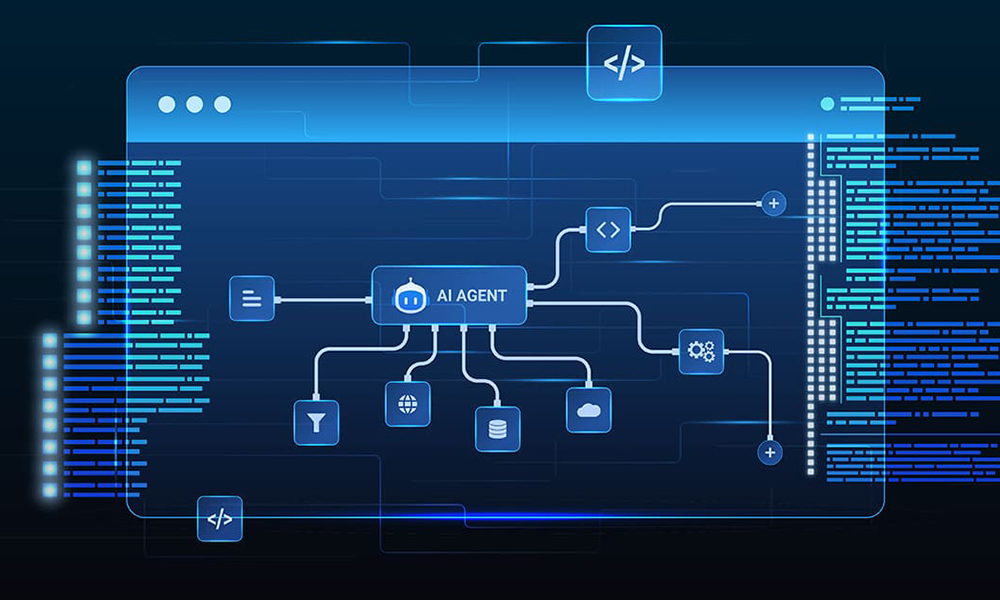 AI agents represent something fundamentally different from AI analysis tools most labs already use. An AI agent doesn't just analyze data—it takes autonomous actions across laboratory systems. It monitors instrument queues, reorders reagents, adjusts workflows, and routes results without human intervention. The difference between AI analysis and AI agents is the difference between a calculator and an autopilot.[Read More] AI agents represent something fundamentally different from AI analysis tools most labs already use. An AI agent doesn't just analyze data—it takes autonomous actions across laboratory systems. It monitors instrument queues, reorders reagents, adjusts workflows, and routes results without human intervention. The difference between AI analysis and AI agents is the difference between a calculator and an autopilot.[Read More]
Data Integrity Essentials: From Workflows to Audits  Labs today aren't just storing data — they're expected to prove every change with an unbroken audit trail. This article breaks down how ALCOA+ principles, strategic workflow planning, and proper system configuration form the foundation of data integrity. Learn how to identify gaps, build a roadmap, and use analytics as a continuous monitor for data health.[Read More] Labs today aren't just storing data — they're expected to prove every change with an unbroken audit trail. This article breaks down how ALCOA+ principles, strategic workflow planning, and proper system configuration form the foundation of data integrity. Learn how to identify gaps, build a roadmap, and use analytics as a continuous monitor for data health.[Read More]
User Training and OCM Support for a LabWare Implementation for a Global Biopharmaceutical Company  A global biopharma company faced fragmented systems, manual data entry from external partners, and compliance risks. This case study details how a cloud-based LabWare LIMS implementation — paired with a structured change management and training program across sites in the US, Germany, and Japan — achieved 100% user adoption and ongoing improvement.[Read More] A global biopharma company faced fragmented systems, manual data entry from external partners, and compliance risks. This case study details how a cloud-based LabWare LIMS implementation — paired with a structured change management and training program across sites in the US, Germany, and Japan — achieved 100% user adoption and ongoing improvement.[Read More]
Maintaining Data Integrity During ELN Migration  Migrating from legacy systems to a modern ELN is high-stakes — historical research data contains irreplaceable IP, regulatory evidence, and institutional knowledge. This article outlines how to design migration strategies that preserve scientific context, maintain audit trails, and meet FDA 21 CFR Part 11 and EU Annex 11 compliance requirements.[Read More] Migrating from legacy systems to a modern ELN is high-stakes — historical research data contains irreplaceable IP, regulatory evidence, and institutional knowledge. This article outlines how to design migration strategies that preserve scientific context, maintain audit trails, and meet FDA 21 CFR Part 11 and EU Annex 11 compliance requirements.[Read More]
Lab Collaboration Without Email Chaos: Sharing, Permissions, and Teamwork 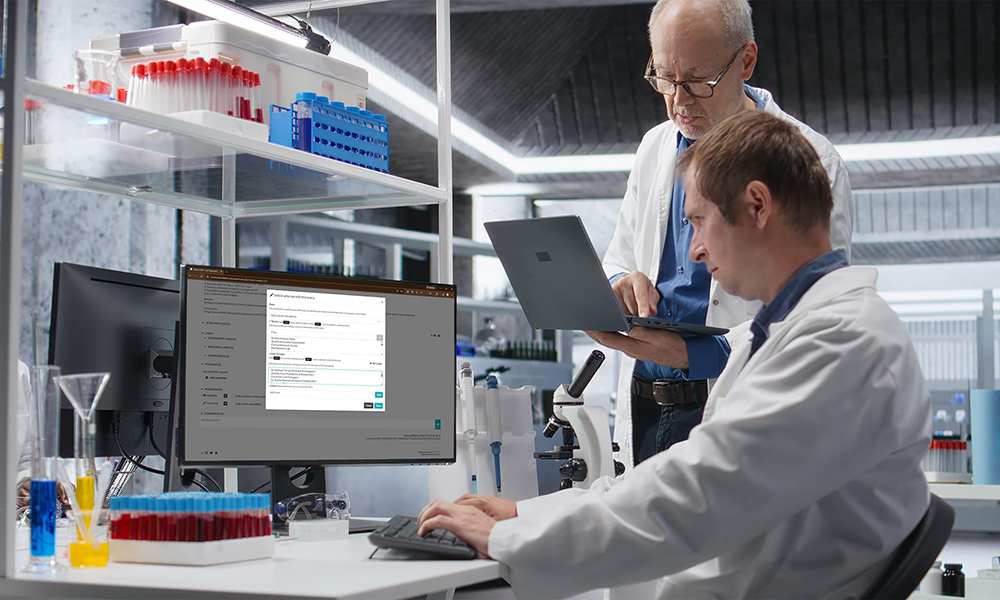 Learn how to share experiments with your PI, collaborate with lab mates, and coordinate across teams without email attachment chaos. This guide covers sharing workflows, permission settings, real-time collaboration, and team coordination using digital lab notebooks. Includes practical examples for common lab scenarios and permission strategies.[Read More] Learn how to share experiments with your PI, collaborate with lab mates, and coordinate across teams without email attachment chaos. This guide covers sharing workflows, permission settings, real-time collaboration, and team coordination using digital lab notebooks. Includes practical examples for common lab scenarios and permission strategies.[Read More]
Planning an AI-Driven Lab in 2026? Build a Strong Data Foundation with Smart LIMS Software  AI is becoming essential for labs in 2026, but many remain unprepared due to fragmented, inconsistent data. The bottleneck isn't algorithms—it's data quality. Labs need structured, standardized, context-rich data. A modern cloud-based LIMS provides the critical foundation, enabling data integration, automation, traceability, and AI-readiness at scale.[Read More] AI is becoming essential for labs in 2026, but many remain unprepared due to fragmented, inconsistent data. The bottleneck isn't algorithms—it's data quality. Labs need structured, standardized, context-rich data. A modern cloud-based LIMS provides the critical foundation, enabling data integration, automation, traceability, and AI-readiness at scale.[Read More]
Lab best practices in 2026: Data you can trust  As regulatory pressures evolve and new technology becomes available, 2026 is the year for labs to reassess their standards and practices. From the rollout of ISO 15189:2022 and strengthening data integrity with ALCOA+ principles, to integrating ELN and LIMS workflows and building sustainability reporting into capital budgets — this article covers what high-performing labs are prioritizing now.[Read More] As regulatory pressures evolve and new technology becomes available, 2026 is the year for labs to reassess their standards and practices. From the rollout of ISO 15189:2022 and strengthening data integrity with ALCOA+ principles, to integrating ELN and LIMS workflows and building sustainability reporting into capital budgets — this article covers what high-performing labs are prioritizing now.[Read More]
|