


Avoiding The Hidden Costs of Inefficient Sample Management in Modern Labs
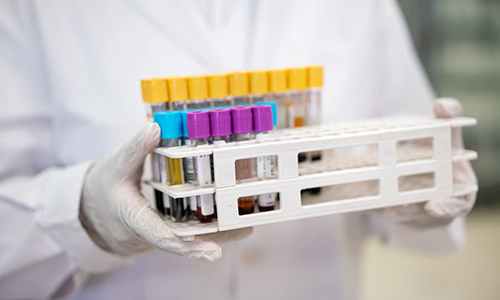 It’s easy to get comfortable with the way a laboratory operates. In most labs, sample management is simply part of the daily rhythm. Sample intake happens at the bench, results are logged into a spreadsheet, and status updates get shared via email or threads in collaboration tools such as Slack or Teams. Over time, these routines feel natural because “that’s the way it has always been done.” Yet while lab teams focus on experiments and outputs, inefficiencies creep in quietly. What feels normal today could be slowing down science tomorrow.
For lab operations managers and directors, this “silent bottleneck” often reveals itself only at stressful moments, when data doesn’t reconcile, an auditor requests documentation, or an urgent project stalls waiting for a missing sample. By then, the costs of suboptimal sample management have already been paid in wasted time, preventable errors, and reactive efforts to contain risks. The good news is these issues are not inevitable. Identifying what’s holding you back is the first step to building a more resilient, scalable, and compliant approach.
This article examines suboptimal sample management, its impact on labs, and the practical steps leaders can take to turn things around.
Read More

