
Join experts from Astrix and Veeva to explore four essential foundations of an AI-ready laboratory: cloud modernization, connected data, organizational change, and master data management. Learn how laboratory modernization can improve efficiency, strengthen data integrity, accelerate innovation, and prepare for AI-powered product release.
[Read More]

Kalleid partnered with a biotechnology company to lead a six-month Microsoft Copilot pilot, assess readiness, and support a secure, scalable enterprise deployment. The initiative included training, communications, community engagement, and an AI Center of Excellence to sustain long-term adoption.
[Read More]

A May 2026 study found that direct-to-patient virtual sites enrolled roughly six times as many participants as traditional sites, completed studies at a rate of 86.3% versus 35.7%, and reached database lock approximately four months faster. Decentralization can improve recruitment, retention, diversity, and timelines when built around patient access.
[Read More]

The FDA’s Food Traceability Rule now takes effect July 20, 2028, but major retailers have established their own traceability deadlines. Some require data on all food items rather than only those on the Food Traceability List, making retailer requirements an immediate priority for food manufacturers.
[Read More]
Why is digital transformation stalling in the physical sciences? In this CSols podcast episode, Uncountable CEO Noel Hollingsworth talks through what’s holding R&D teams back, where AI fits in, and how a modern lab architecture can help get new products to market faster. Worth a listen if you lead R&D or lab informatics projects.
[Read More]
Most LIMS platforms store lab data but can't help interpret it. This Astrix post explains how LabVantage CORTEX uses agentic AI to spot assay and instrument drift, stability concerns, and workflow bottlenecks as work progresses. It runs as an orchestration layer, so the validated LIMS stays untouched and scientists keep the final call.
[Read More]
LabLynx One is the next generation of LabLynx, available now. Instead of configuring a blank system for months, your lab starts with a ready-to-use solution built for your type of work, like water testing or used oil analysis, and runs in days or weeks. LabLynx LIMS and ELN are part of the platform, licensed by team with unlimited users.
[Read More]
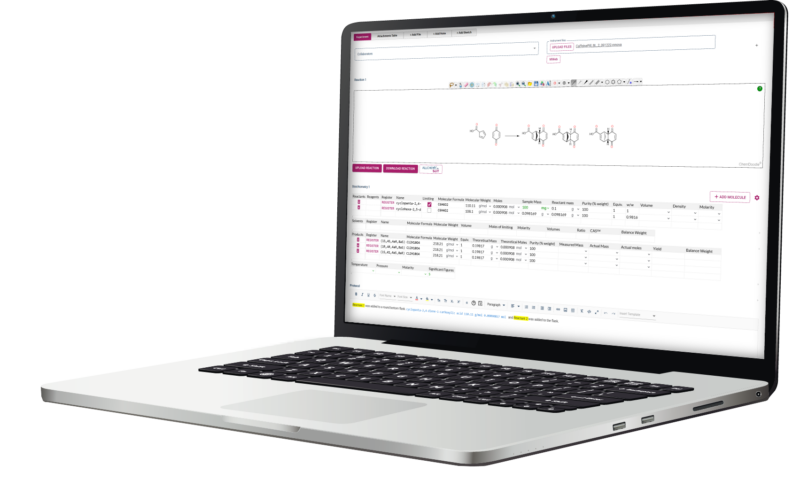
Many growing biotech companies recognize the benefits of an Electronic Lab Notebook but hesitate because they expect a complex implementation process. Arxspan ELN removes those barriers with a cloud-based solution designed for chemistry and biology teams, enabling rapid evaluation without manual activation, software installation, or IT overhead. Experience how easy it can be to capture, search, and share experimental data in a platform built specifically for modern research workflows.
[Read More]
A global biopharma company’s drug discovery program was stalling: ML models stuck as prototypes, slow HPC runs, and pipelines no one could reproduce. This Kalleid case study shows how one embedded ML engineer with computational chemistry know-how built production-ready tools, scalable GPU workflows, and reproducible pipelines the team could own.
[Read More]

eCOA and digital health technology (DHT) data are rapidly becoming a dominant source of clinical trial data and increasingly support key efficacy and patient-centered endpoints. Multinational trials require consistent endpoint collection across countries, sites, and patient populations, while eCOA platforms integrate with wearable sensors and other DHTs to capture objective measures of patient health, activity, mobility, sleep, and symptom burden.
[Read More]
As biotech startups grow, managing experimental data, collaboration, and regulatory expectations becomes increasingly complex. Arxspan ELN provides chemistry and biology teams with a structured way to capture, organize, and share scientific knowledge while improving efficiency, reproducibility, and collaboration.
[Read More]
A global biopharmaceutical company facing an impending patent cliff sought to proactively close its future revenue gap and strengthen its early-stage pipeline. A senior-level Computational Chemistry Consultant helped the organization implement advanced computer methods and drive faster, more informed decision-making across its drug discovery pipeline.
[Read More]
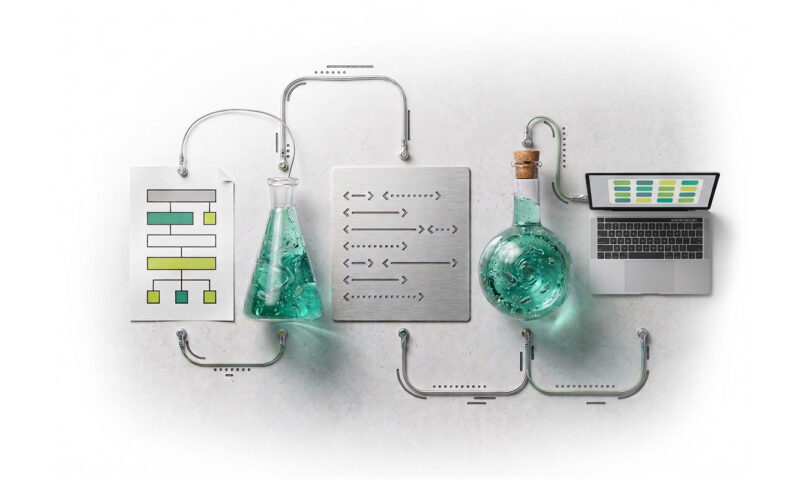
A successful LIMS setup begins with understanding how your lab works right now and planning for where you want to go next. A rush to install without preparation often leads to more headaches down the line. A successful setup keeps pace with your team, responds to real workflow needs, and supports growth, not just today, but into the future.
[Read More]

Labs using Promium Element LIMS, HORIZON LIMS or Apollo LIMS face an end of life deadline and growing compliance risk. The replacement process requires data migration, report rebuilding and validation. LabLynx helps labs preserve existing workflows, assess what moves or retires, and run systems side by side before go-live.
[Read More]
Choosing the right LIMS comes down to identifying your specific lab archetype rather than relying on surface-level software reviews. With vastly different options built for enterprise GxP, agile biotech, and specialized R&D environments, clear, multi-stakeholder requirements are essential before selecting a vendor.
[Read More]

When a new system feels confusing, cumbersome, or disruptive, employees quietly fall back on what they know. Personal spreadsheets, unsanctioned collaboration tools, private cloud storage, and improvised workarounds create shadow IT, a symptom of failed user adoption that creates immediate regulatory exposure in GxP environments.
[Read More]

Still using spreadsheets and manual workflows? You may be wasting time and profit each week. Request a personalized ROI analysis to pinpoint waste, quantify the benefits of going digital, and see how LIMS improves throughput, compliance, and reporting. Get tailored recommendations you can take straight to your leadership team to support your digital transformation initiative.
[Read More]

Life sciences labs lose valuable time to manual documentation, review, and data reconciliation. Fragmented systems and transcription errors create costly data debt, limiting AI and predictive analytics. Automated Review-by-Exception workflows cut cycle times and help transform disparate laboratory data into a unified, AI-ready asset.
[Read More]

Environmental monitoring results are largely decided before a sample reaches the instrument. Collection, preservation, custody, and holding time controls can invalidate data before analysis begins. Laboratories must track these critical steps accurately, maintain control of records, and ensure deliverables meet the required state format and version.
[Read More]
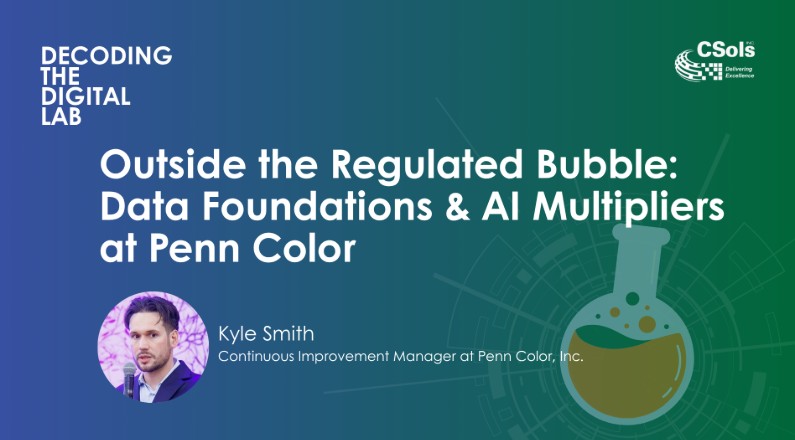
Structuring R&D data turns AI into an organizational "high-speed librarian," multiplying scientists' expertise, drastically slashing formulation trial-and-error, and driving real ROI. Lisa Richard and Kyle Smith explore how coatings and performance materials companies can digitize faster and smarter while unlocking greater value from their R&D data.
[Read More]


