


Bidirectional LIMS Interfacing: The Key to Faster, More Reliable Laboratory Data Management
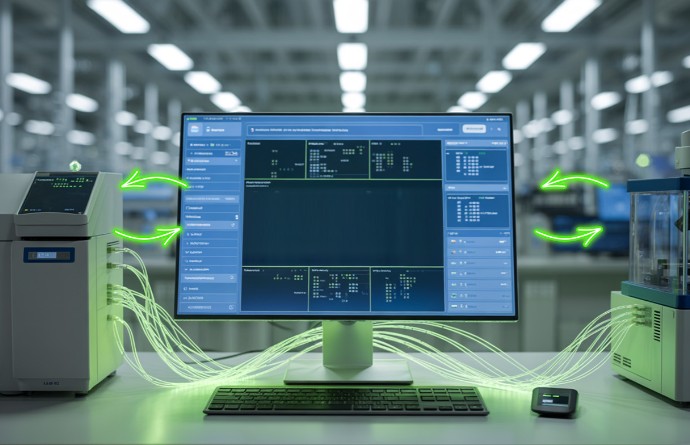 Bidirectional interfacing for a LIMS is a two-way communication system that allows for seamless data exchange between the LIMS and laboratory instruments. This technology significantly reduces errors, improves efficiency, and ensures data integrity by automating workflows and ensuring regulatory compliance.
A busy laboratory with multiple instruments and data systems handles hundreds of test orders, sample results, and complex regulatory compliance concerns on a daily basis. But with so much going on at once, how do you ensure that the data flowing through your lab is smooth, accurate, and compliant? That’s where bidirectional interfacing for a laboratory information management system (LIMS) comes in. This technology could revolutionize your process and save you hundreds of hours. But how does bidirectional LIMS actually work? And how will it benefit you? Let’s explore just how bidirectional interfacing impacts labs and the individuals who rely on them.
This blog post explains LIMS bidirectional interfacing by defining it and explaining its importance for modern laboratory operations. We’ll examine its solutions to data errors, duplications, inefficiencies, and regulatory compliance. It includes technical details and practical examples to demonstrate how this technology helps your laboratory.


