
Prepare your lab for the unexpected with effective disaster management strategies. From natural disasters to cyber threats, proactive planning can safeguard operations, protect data, and ensure business continuity. Learn how to build a resilient framework, mitigate risks, and maintain compliance in the face of adversity.
[Read More]
The right laboratory software can transform operations, turning challenges into opportunities for efficiency and growth. Explore the key features that optimize workflows, enhance collaboration, and drive innovation—all while saving time, money, and resources essential to achieving your lab’s full potential.
[Read More]
In the world of life sciences, cutting-edge technology is essential. Advanced technology requires robust data protection. For organizations relying on U.S. government funding, CMMC Level 1 compliance is crucial. As experts in IT policy development, Kalleid helps life sciences companies meet compliance by creating tailored policies that align with industry standards and regulatory requirements.
[Read More]
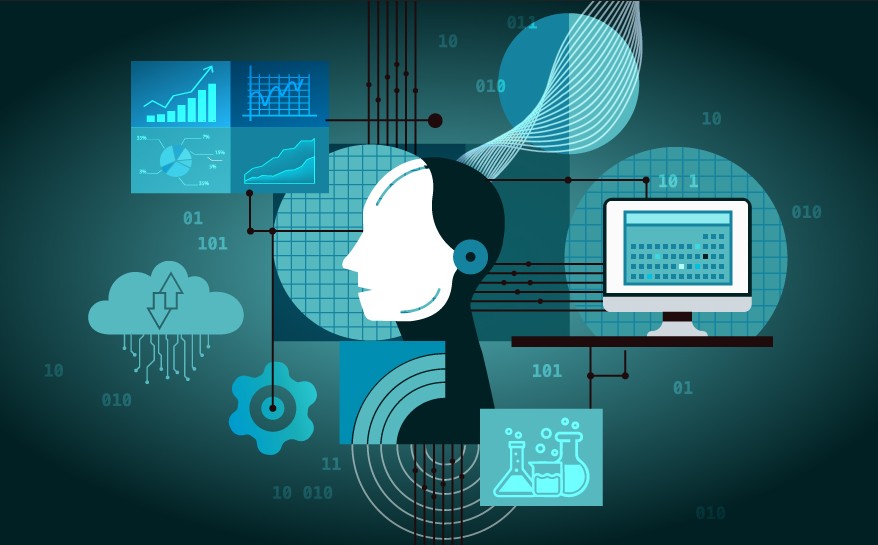
Today, laboratory managers face both challenges and opportunities, particularly in data management. The volume and complexity of data generated daily in labs call for solutions that streamline processes and also upholds the integrity and reliability of data. Looking towards the future, leveraging advanced technologies in lab data management is becoming a necessity for laboratories aiming for innovation and precision in their outcomes.
[Read More]
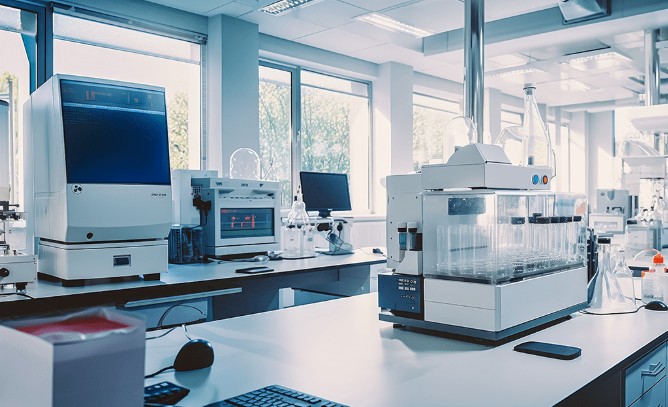
Imagine a lab where every instrument seamlessly communicates, eliminating manual data entry, reducing errors, and optimizing workflows. Instrument integration is no longer a luxury—it's a necessity for modern labs striving for efficiency and precision. Discover how innovative solutions make universal integration a reality.
[Read More]
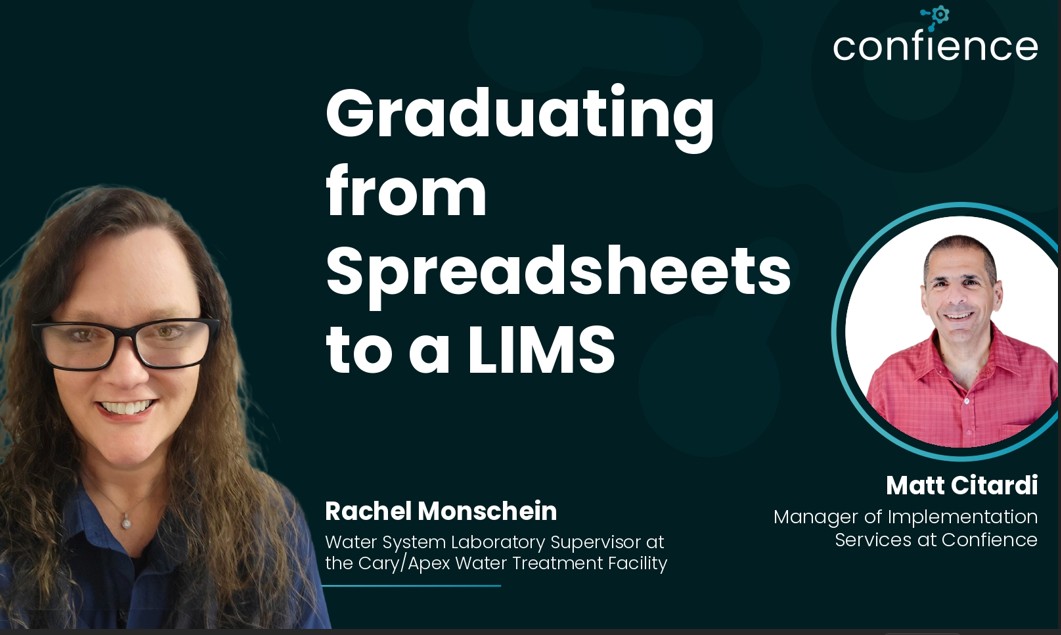
In this episode we explore the challenges the Town of Cary faced at their Cary/Apex Water Treatment Facility in North Carolina when relying on logbooks and Excel® spreadsheets for sample management. The inefficiencies of using logbooks and spreadsheets not only hampered productivity but also compromised data quality. From lack of real-time metrics and sample traceability to compliance issues with federal and state regulations, the challenges were numerous.
[Read More]
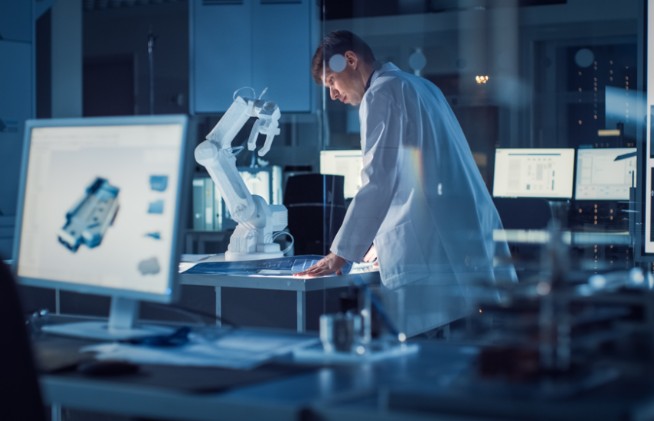
Imagine a lab where experiments plan themselves, robots adapt dynamically, and data is analyzed seamlessly into actionable insights. Thanks to advancements in AI and machine learning (ML), closed loop lab automation is closer to reality than ever before. These technologies are transforming lab automation by enhancing efficiency, precision, and insight, enabling breakthroughs at an incredible speed.
[Read More]

Choosing the right lab management system can be the key to unlocking your lab's full potential. Should you use a LIMS, an ELN, or both? Discover how these powerful tools streamline data management, ensure compliance, and boost productivity. Learn what each system offers and how combining them can create an unbeatable lab management solution tailored to your needs.
[Read More]

Biobanking operations today generate large volumes of complex data, making it essential to have robust systems in place to maintain order, ensure accuracy, and manage regulatory demands. A Laboratory Information Management System (LIMS) designed for biobanking can help achieve these goals by streamlining workflows, automating routine tasks, and reducing the risk of human error.
[Read More]
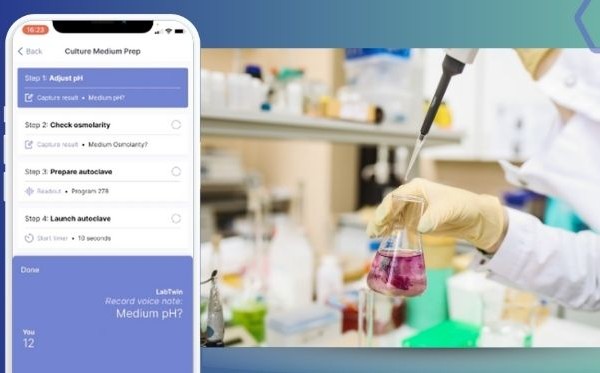
Human errors are the most frequent cause of errors in the laboratory. Reducing these errors has been a key factor driving lab automation efforts. Lab automation has driven down the rate of human errors in the analytical phase of laboratory work, where instruments and analytical systems are involved. However, the unaddressed source of most human errors in the lab (or anywhere, for that matter) is omitting necessary task steps.
[Read More]

Newform Foods digitalized its R&D efforts with the Labstep Electronic Laboratory Notebook (ELN), increasing productivity, collaboration and knowledge sharing, and data security. Needing a solution that would simplify experiment execution while streamlining their R&D, Newform Foods selected the Labstep ELN to streamline the documentation of experiments, foster seamless collaboration among teams, and support its compliance goals.
[Read More]
A comprehensive approach to lab data management provides a crucial pathway to knowledge, discovery, and innovation in scientific research. Effective data management is an essential part of today’s research landscape, and the need to store, access, and analyze data efficiently is key to driving innovation, speeding up research, and meeting regulatory requirements.
[Read More]

The life sciences industry drives global health innovation, enabling breakthroughs in drug discovery, genomics, biotechnology, and more. This sector is essential for transforming lives and fostering economic growth. However, the widening skills gap poses a threat to its progress. This article examines the root causes of the life sciences talent gap and provides actionable strategies to address it.
[Read More]

The forensic science landscape is evolving rapidly, driven by emerging technologies like AI, cloud computing, and advanced data analytics. Is your lab equipped to keep pace? Discover how adapting to new tech trends can transform evidence management, streamline workflows, and enhance case resolution. Stay prepared for the future of forensic investigations with the right tools in place.
[Read More]

Ensure your lab shines at year-end with expert strategies for seamless audits. Discover essential best practices, effective preparation tips, and how advanced management systems can streamline processes, boost compliance, and enhance overall efficiency. Transform audit time from stressful to smooth, setting your laboratory up for continued success and growth in the coming year.
[Read More]

Offshoring offers cost savings, but in the life science industry, it can create significant challenges that impact productivity, quality, and, ultimately, your bottom line. While offshoring can be attractive for non-core tasks, companies often encounter difficulties finding the right talent for specialized roles, resulting in project delays, lower-quality outcomes, and higher operational costs.
[Read More]
A U.S.-based global food company sells products in over 40 countries to businesses like supermarkets, hotels, wholesalers, restaurants, and hospitals. They’ve used Confience TITAN LIMS in their corporate lab since 2013. With satellite labs across the country, they aimed to accredit these branches under their ISO 17025 accreditation through A2LA, incorporating the same LIMS system to manage their laboratory processes.
[Read More]
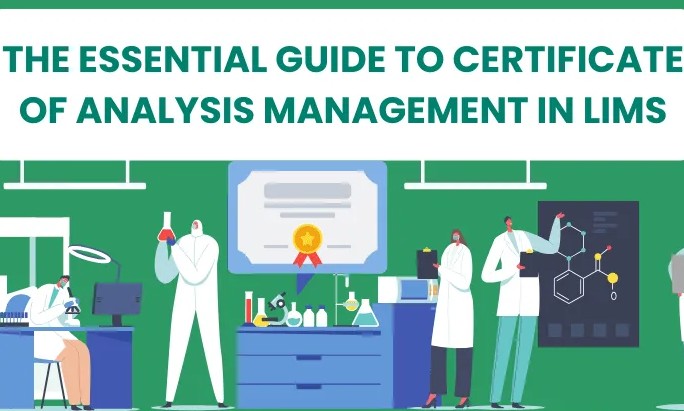
Conventional data-capturing methods often fall short in modern labs. A Laboratory Information Management System (LIMS) is software that streamlines sample handling, test results, and related data to improve lab efficiency. The Certificate of Analysis (COA) is crucial to ensures products meet required standards. LIMS helps tracks COAs and other key documents, maintaining quality control in the lab.
[Read More]
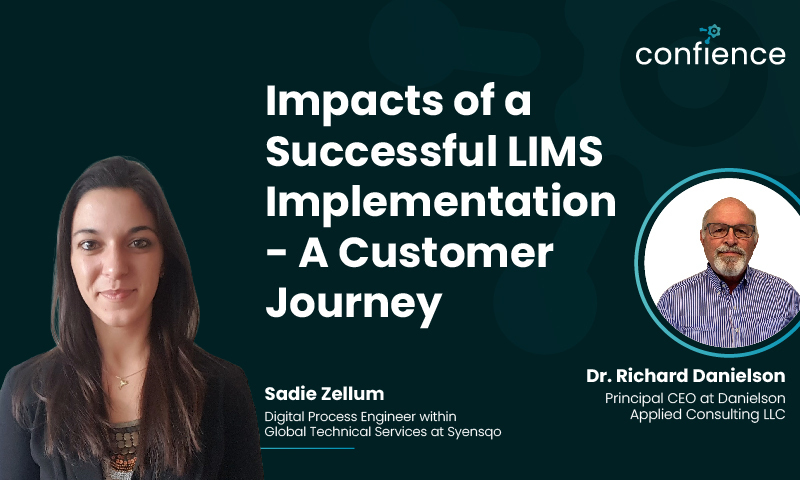
Whether you are in the initial planning stages or are currently navigating your LIMS implementation, this webinar will equip you with knowledge and tools needed to ensure a successful journey. Discover how Syensqo digitally transformed its laboratory operations with a successful LIMS implementation.
[Read More]
R&D is a rapidly growing industry. With this growth comes the expectation for rapid innovation and strong returns on investment. However, research is often slow, with scientists hindered by manual processes and outdated technology that complicates experiments. To accelerate R&D, researchers need improved efficiency.
[Read More]


