Posted on July 2, 2025
By Labbit
Blog
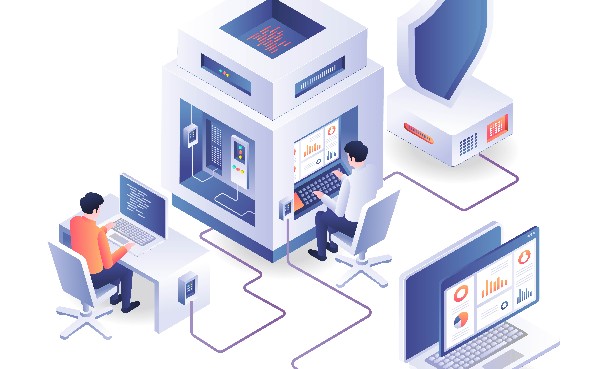
In regulated lab environments, maintaining data integrity is key to compliance, reliability, and operational success. While most off-the-shelf lab informatics systems offer strong data integrity controls, challenges arise when labs connect instruments and equipment using file transfers. This common practice can compromise data accuracy and consistency, potentially leading to compliance issues.
[Read More]
Posted on July 2, 2025
By CSols Inc.
Blog
This episode demystifies AI's role in the lab, breaking down complex concepts for beginners. We explore real-world applications like intelligent alerts and smarter reporting, while addressing myths such as AI being “plug and play” or replacing humans with AI. Learn why data quality and human oversight are key to successful AI implementation, ensuring efficiency, accuracy, and compliance. Tune in to see how AI is transforming lab operations—and how your organization can embrace it to work smarter and stay competitive.
[Read More]
Posted on July 2, 2025
By Astrix Technology Group
Blog

Integrations between LIMS, ELN, CDS, and instruments are often ad hoc, leading to isolated data, delays, and limited system value. Manual entry and poor connectivity hinder FAIR data practices and analysis. This webinar explores a better approach to integration, data management, and visualization.
[Read More]
Posted on July 2, 2025
By LabLynx
Blog

Human error is one of the biggest threats to lab accuracy, but it’s also one of the easiest to reduce with the right systems in place. From automating data entry to standardizing workflows, labs can take simple, strategic steps to boost reliability, improve results, and keep operations running smoothly.
[Read More]
Posted on June 30, 2025
By Corinne Jones
Newsletter
June 30, 2025 Laboratory Informatics Weekly Update Volume 23, Issue 25 In This Issue Featured Books Justifying LIMS Acquisition and Deployment within Your Organization Featured Content Winning the LIMS Hosting Budget Battle: Comparing Cloud, SaaS, and On-Premises CostsIn today's competitive lab environment, a LIMS is indispensable. A LIMS implementation is often complex and that can very easily go awry if all pieces of the project are not properly budgeted and accounted for. That budget is often a very large number, which should cover everything involved in deploying a powerful software system. That includes the critical choice of hosting model.…
Posted on June 27, 2025
By CSols Inc.
Blog

In today's competitive lab environment, a LIMS is indispensable. A LIMS implementation is often complex and that can very easily go awry if all pieces of the project are not properly budgeted and accounted for. That budget is often a very large number, which should cover everything involved in deploying a powerful software system. That includes the critical choice of hosting model. Choosing a hosting model upfront is key, as delaying this decision can stall the entire project.
[Read More]
Posted on June 27, 2025
By LabLynx
Blog

CAP accreditation sets the gold standard for laboratory quality, ensuring accuracy, consistency, and compliance with the most rigorous diagnostic protocols. Discover how CAP standards drive excellence and inspire confidence in lab operations and patient outcomes.
[Read More]
Posted on June 27, 2025
By Sapio Sciences
Blog
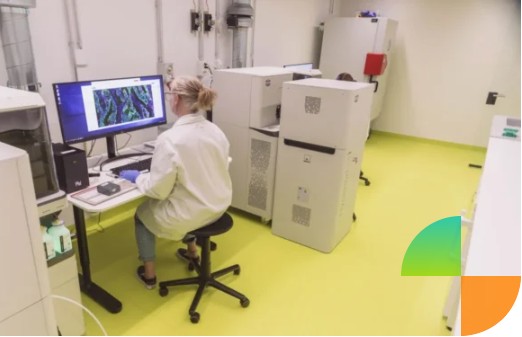
Navignostics collaborated with Sapio Sciences to establish a digital-first cancer diagnostics lab, aiming for rapid, treatment-guiding reports. The outcome is a highly efficient, automated, and scalable diagnostic environment, allowing fast turnaround times and complete data traceability for advanced cancer care.
[Read More]
Posted on June 27, 2025
By Labbit
Blog
In a rapidly changing business landscape, lab managers seek to streamline operations and work smarter for a competitive edge. A key strategy is ensuring that informatics systems can effectively support existing and future workflows. Each change in the lab, whether it’s adding a new assay, upgrading a piece of equipment, or implementing a new software feature, requires the effort of the lab’s in-house or consulting software team. How much effort is involved is based on the informatics system’s capabilities.
[Read More]
Posted on June 27, 2025
By CSols Inc.
Blog

One of our past blogs about busting LIMS myths was met with great enthusiasm. Several of the comments on that blog pointed out other LIMS myths and misconceptions, which still persist today and remain deserving of public busting.
[Read More]
Posted on June 27, 2025
By LabLynx
Blog

Good Manufacturing Practice (GMP) helps labs maintain strict control over processes, ensuring product quality, safety, and regulatory compliance. Explore how GMP principles support consistent operations and build trust across pharmaceutical, biotech, and diagnostic manufacturing environments.
[Read More]
Posted on June 23, 2025
By Corinne Jones
Newsletter
June 23, 2025 Laboratory Informatics Weekly Update Volume 23, Issue 24 In This Issue Featured Books Justifying LIMS Acquisition and Deployment within Your Organization Featured Content HIPAA Compliance in the Laboratory: Safeguarding Patient Data with ConfidenceProtecting patient data is critical in every lab handling health information. Explore the core principles of HIPAA compliance, discover the most common security gaps labs face, and learn how to build a trusted, efficient data environment that stands up to audits and inspires confidence in every patient interaction. [Read More] What is an Electronic Lab Notebook? A guide to ELNs for biotech and chemistry…





