

Five Traceability Mistakes That Compromise Lab Quality Investigations
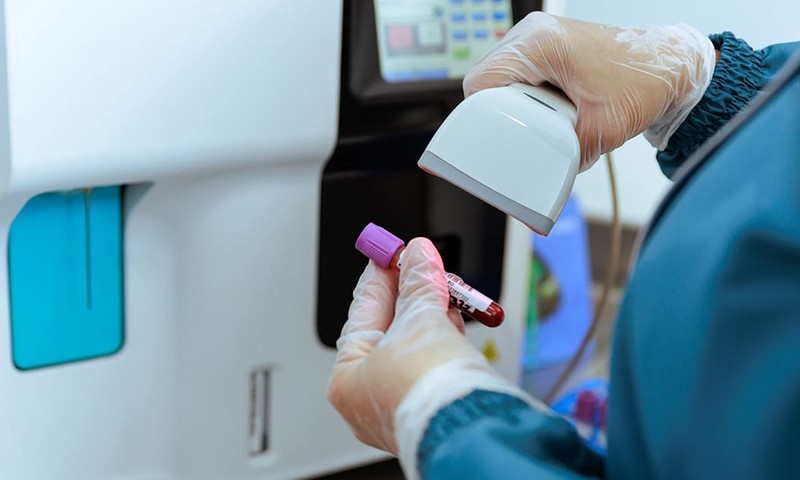
Most labs that contact us are not running a LIMS. They are running on spreadsheets, paper chain-of-custody forms, and maybe a Microsoft Access database that one person built years ago and nobody else fully understands. The system works until it doesn’t, and “doesn’t” usually arrives in the form of an assessor’s question: Can you show me the complete history of this sample, from receipt through analysis to the final report?
If the answer requires pulling from four or five places and hoping nothing was missed, the lab has a traceability problem. Not a theoretical one. A practical one that slows investigations, weakens audit defensibility, and creates real compliance risk.
Traceability, at its simplest, is the ability to reconstruct who did what, to which sample, on which instrument, using which method, and what review happened before the result was reported. When that record is incomplete or fragmented, quality investigations become guesswork instead of evidence.
Read More

