Posted on April 3, 2026
By Labbit
Blog
Semaphore Solutions has officially rebranded as Labbit. After a decade of helping laboratories tackle complex informatics challenges, spanning hundreds of implementations and over 300,000 hours of work across clinical diagnostics, genomics, and GMP manufacturing, the company has shifted its full focus to the Labbit modern LIMS platform.
[Read More]
Posted on April 3, 2026
By Sapio Sciences
Blog
New research from Sapio Sciences reveals that 65% of lab professionals report repeating experiments because prior results are too hard to find or reuse. While 81% say their ELN records data effectively, it falls short on interpretation. The findings highlight a growing need for next-generation notebooks that support reuse, context, and decision-making.
[Read More]
Posted on April 3, 2026
By Kalleid
Blog

With 14% of IT projects deemed total failures and 31% missing their original goals, user acceptance testing (UAT) is a critical safeguard for scientific informatics implementations. This white paper from Kalleid outlines best practices for building effective UAT teams, scripts, and acceptance criteria to ensure systems meet real user needs.
[Read More]
Posted on April 3, 2026
By CSols Inc.
Blog

This white paper from CSols explores how laboratories can move beyond reactive reporting into predictive modeling and automated discovery. Key topics include breaking down fragmented vendor silos, ensuring data is FAIR-compliant, anchoring AI-generated insights, and maintaining GxP and GAMP 5 compliance throughout the digital transformation process.
[Read More]
Posted on April 3, 2026
By Astrix Technology Group
Blog

With 66% of complex enterprise software implementations failing to meet objectives, choosing the right laboratory information system demands more than a feature checklist. Astrix outlines a regulatory-first selection framework covering stakeholder alignment, 21 CFR Part 11 compliance, build vs. buy analysis, and phased implementation strategy.
[Read More]
Posted on April 3, 2026
By ELabELN
Blog

How long should you keep lab notebooks? The answer depends on your field, funding source, and regulatory requirements. From NIH's 3-year minimum to indefinite retention for patent-related work, this guide breaks down retention timelines across academia, FDA-regulated research, clinical trials, GLP studies, and more.
[Read More]
Posted on March 30, 2026
By Brandon Holland
Newsletter
March 30, 2026 Laboratory Informatics Weekly Update Volume 24, Issue 13 In This IssueFeatured BooksLIMS Selection Guide for ISO/IEC 17025 LaboratoriesFeatured Content5 Key Considerations Before Investing in eClinical TechnologyPE firms eyeing eClinical tech investments should evaluate five key areas: the rapidly growing market landscape (projected to hit ~$13B by 2035), core platform architecture and technical debt, regulatory compliance maturity (GxP, 21 CFR Part 11), a clear post-acquisition integration and value-creation strategy, and rigorous, objective due diligence across all dimensions.[Read More] Proving the Value: How Laboratory Informatics Delivers Real ROIInvesting in laboratory informatics software leads to measurable ROI through increased efficiency, reduced…
Posted on March 27, 2026
By Astrix Technology Group
Blog

PE firms eyeing eClinical tech investments should evaluate five key areas: the rapidly growing market landscape (projected to hit ~$13B by 2035), core platform architecture and technical debt, regulatory compliance maturity (GxP, 21 CFR Part 11), a clear post-acquisition integration and value-creation strategy, and rigorous, objective due diligence across all dimensions.
[Read More]
Posted on March 27, 2026
By LabLynx
Blog

Investing in laboratory informatics software leads to measurable ROI through increased efficiency, reduced errors, and streamlined workflows. From faster turnaround times to improved compliance and scalability, labs that adopt the right digital tools position themselves for long-term operational and financial success.
[Read More]
Posted on March 27, 2026
By CSols Inc.
Blog
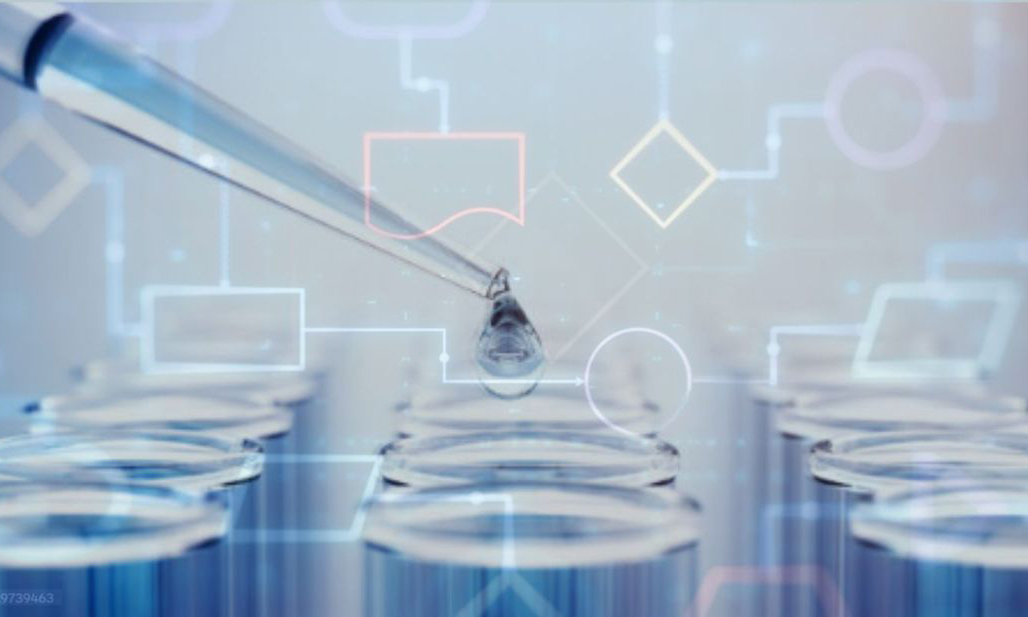
Biotech labs can control costs and boost efficiency through strategic workflow automation. By aligning LIMS, ELN, and other informatics platforms with existing processes, labs eliminate manual data re-entry, reduce bottlenecks between disconnected systems, and maintain audit-ready data integrity — freeing scientists to focus on real lab work instead of managing tech issues.
[Read More]
Posted on March 27, 2026
By Kalleid
Blog

A global biopharma company building a new cell therapies manufacturing facility lacked in-house expertise for 21 CFR 11-compliant IT documentation. Kalleid implemented a writing and review framework, trained multinational engineering teams, and managed document release through the QMS — eliminating the documentation bottleneck and keeping the facility on its go-live timeline.
[Read More]
Posted on March 27, 2026
By Sapio Sciences
Blog

With 65% of scientists repeating experiments due to lost context and 55% of scientific data effectively "dark," life sciences organizations need a "digital-from-day-one" strategy. Building a unified lab informatics backbone before the science begins ensures audit-ready compliance, preserves workflow context, and creates the trusted data foundation AI tools require to deliver real value.
[Read More]





