

Software as a Biotechnology: How Benchling Extensions and Integrations Drive Life Sciences R&D

Modern life science R&D is producing data of a much greater quantity and complexity than ever before. R&D teams at small biotechs and large pharmas alike need a tech stack that allows them to flexibly extend software tools and and integrate them with one another and with lab hardware.…
Building a Strong Data Foundation to Get Machine Learning and Automation Right
Benchling is a life sciences R&D software platform. Our clients include 12 of the top 25 pharmaceutical companies, emerging biotechs, and companies across a variety of other industries. Our goal is to improve their scientists’ productivity with modern software.
Given the world that artificial intelligence promises, our customers are really interested in how advanced data analysis and machine learning techniques can up-level their R&D efforts: from discovery, to lead optimization, process development, pre-clinical, and even IND filings. There’s no lack of enthusiasm to leverage these tools, so how do we get to that world?
[Read More]
Benchling chosen for the ENTERPRISE TECH 30 — THE 2020 LIST
Benchling has been chosen for the second annual ET30: an exclusive list of the most promising private companies in enterprise tech, as determined by the prominent venture capitalists in the sector.
The Enterprise Tech 30 ranks the top 10 private companies in each of three categories, ordered by number of votes received.
[Read More]
Ultra-high-performance liquid chromatography coupled with quadrupole-Orbitrap high-resolution mass spectrometry for multi-residue analysis of mycotoxins and pesticides in botanical nutraceuticals
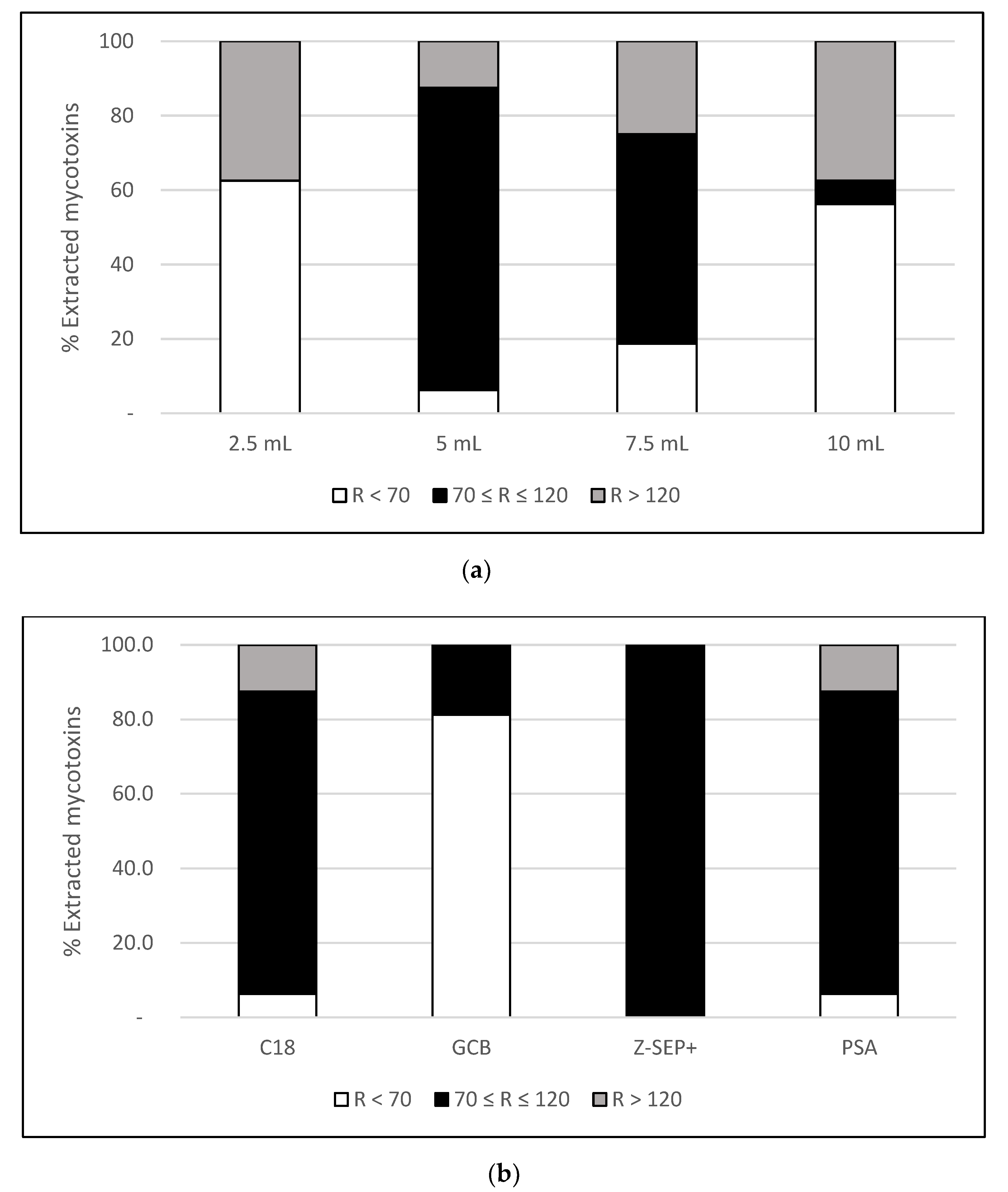 In this 2020 paper published in the journal Toxins, Narváez et al. of Spain and Italy present the results of their attempt to use a specific type of chromatography and spectrometry in order to analyze the amount of mycotoxins and pesticides in nutraceuticals made from Cannabis sativa and other botanicals. The authors developed specific procedures associated with a "methodology using ultra-high-performance liquid chromatography coupled with quadrupole-Orbitrap high-resolution mass spectrometry (UHPLC-Q-Orbitrap HRMS)." After testing their methodology on 10 cannabidiol (CBD) supplements, they found numerous mycotoxins and dozens of pesticides. They conclude that their "results highlight the necessity of monitoring contaminants in food supplements in order to ensure safe consumption" while also demonstrating the effectiveness of their methodology in doing so.
USDA-USMARC Streamlines Research Operations with L7 Informatics NGS LIMS System
L7 Informatics, Inc., a leader in informatics solutions and services for genomic research organizations, is pleased to announce the USDA is now live on their Enterprise Science Platform (ESP). This move will empower better collaboration among all the research stakeholders and streamline research operations for the agency.Combining Artificial Intelligence with Assessments from Radiologists Could Help Improve Accuracy of Mammography Screenings
In a study published today in the journal JAMA Network Open, researchers demonstrated that machine-learning algorithms could help improve the accuracy of breast cancer screenings when used in combination with assessments from radiologists.Proscia® and UCSF Partner to Deliver Artificial Intelligence Applications That Improve the Accuracy and Speed of Cancer Diagnosis
Proscia, a provider of artificial intelligence (AI) enabled digital pathology solutions, and the University of California, San Francisco (UCSF) have partnered to introduce artificial intelligence into the practice of pathology.National Institutes of Health (NIH) Research and Upcoming Events – March 2020
 The National Institutes of Health (NIH) is our nation’s medical research agency and strives to make scientific discoveries that improve health and save lives. Founded in 1870, the NIH conducts its own scientific research through its Intramural Research Program (IRP), which supports approximately 1,200 principal investigators and more than 4,000 postdoctoral fellows conducting basic, translational and clinical research.
In this blog, we will highlight recent ground-breaking NIH research, while also providing links to upcoming NIH events designed to keep researchers abreast of the latest discoveries.
[Read More]
New Enterprise-Level Chromatography Data System Software Enhances Laboratory Efficiency, Compliance and Standardization
 Thermo Scientific Chromeleon 7.3 Chromatography Data System (CDS) software reduces administrative costs and improves laboratory productivity and regulatory compliance.
Thermo Fisher Scientific to Acquire QIAGEN N.V.
Thermo Fisher Scientific Inc. and QIAGEN N.V., today announced that their boards of directors, as well as the managing board of QIAGEN N.V., have unanimously approved Thermo Fisher's proposal to acquire QIAGEN

