

Astrix Webinar – Beyond the AI Hype: Is your Regulatory Organization Ready?

AI readiness in regulatory operations goes beyond technology. Astrix and MAIN5 experts explore how trusted data, connected processes, effective governance, and leadership alignment support sustainable transformation. The discussion connects RIM, IDMP, eCTD 4.0, and M4R2 to the broader AI-readiness journey and identifies practical steps leaders can take now.…
Lab Informatics Technology Ecosystem: Strategy to AI Readiness
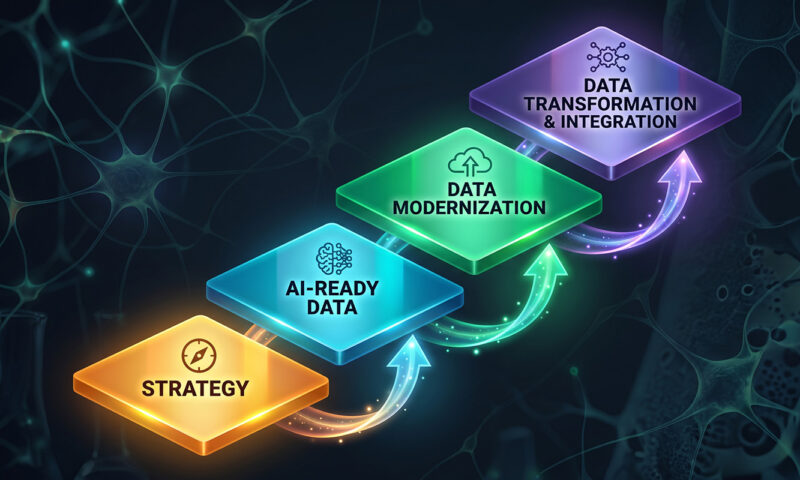 CSols helps laboratories align strategic planning with AI-ready data infrastructure by connecting consulting, FAIR-compliant data services, legacy modernization, and instrument integration into a unified informatics ecosystem designed to support scalable automation and long-term growth.[Read More]
Migrating from Paper Lab Notebooks to an ELN: A Strategic GxP Framework
 Migrating from paper lab notebooks to an Electronic Laboratory Notebook (ELN) requires more than technical installation. A consultant-led roadmap helps life science organizations address regulatory compliance, protect intellectual property, validate digital systems, and build an AI-ready repository that supports collaborative discovery.[Read More]
Chain of Custody for Environmental Labs: The Form Is Not the Requirement
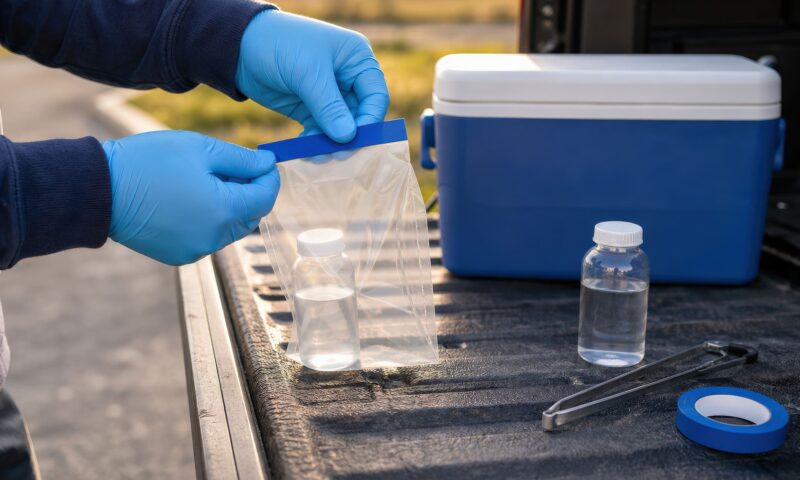 Under the TNI standard, a legal chain of custody procedure is required only when the customer requires one. Every environmental sample needs documented receipt criteria, identification, preservation and holding time checks, and a unique identifier that links results back to the person who received it.[Read More]
When Sample Tracking Breaks Down
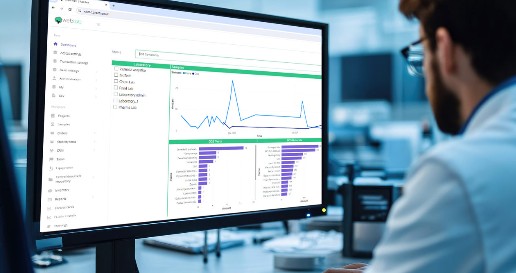 Spreadsheets and inboxes may suit small to medium labs, until volume and quality demands increase. WebLab is a modern LIMS that provides an accessible step into digital workflows, with clearer sample tracking, fewer handoffs, and more controlled day-to-day operations. [Read More]
From Hire to Sign-Out: Competency Is a Record, Not a Course
 Your new analyst’s training is signed off and she’s doing fine. Then the assessor asks for the assessment due six months after her first patient specimen, and the date she first reported alone. Competency is a dated record, not a course. See what CLIA, CAP and ISO/IEC 17025 expect it to show, and how to shorten time to sign-out safely.[Read More]
One Resignation Away: What Leaves the Lab With a Person
 The microbiologist’s last day is a Friday. The next Tuesday, the incubator calibration she ran every week for nine years doesn’t happen, and the log stays blank for eleven weeks. The SOP holds the method, but the exceptions leave with the person. See where those gaps hide, what assessors find, and how a one-afternoon audit can catch them first.[Read More]
A Failed PT Round Is an Investigation, Not a Score
 The PT report says unacceptable, the next round passes, and both pages go in the binder. But assessors look for the written investigation that belongs between them. One lab was cited in 2026 for a single failed PT event from 2023. See what counts as a failure under CLIA, TNI and ISO/IEC 17025, and what to check first, from clerical errors to the scheme.[Read More]
Repeat Until It Passes: The QC Habit That Hides the Drift
 Nine in ten US labs answer a failed control by running it again. The repeat passes, the record shows a pass, and the drift is still there for an inspector to find. See why repeats pass even when a method has drifted, what CLIA, ISO/IEC 17025, TNI and 21 CFR 211 actually require, and what a QC failure record needs before the next audit.[Read More]
Laboratory Informatics Weekly Update – Volume 24, Issue 42
| |||||||||||

On Demand Webinar – AI-Ready Lab: The 4 Foundations of Digital Transformation
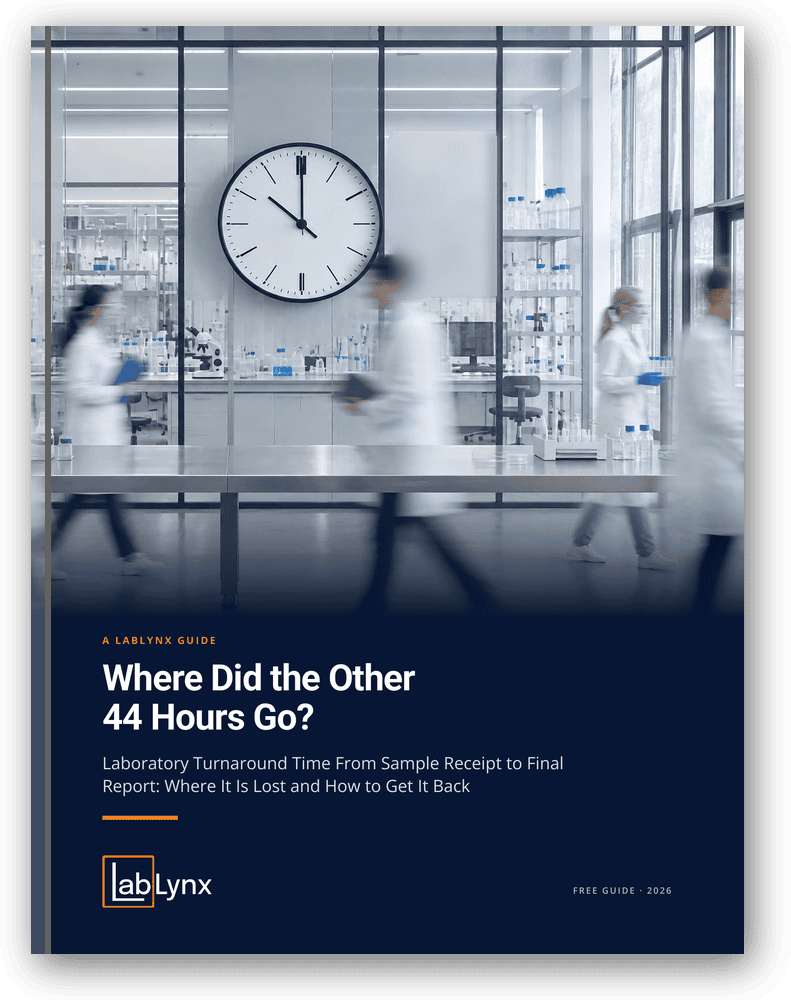
 Join experts from Astrix and Veeva to explore four essential foundations of an AI-ready laboratory: cloud modernization, connected data, organizational change, and master data management. Learn how laboratory modernization can improve efficiency, strengthen data integrity, accelerate innovation, and prepare for AI-powered product release.[Read More]
The Roadmap to AI Readiness: A Case Study in Secure Enterprise AI Adoption
 Kalleid partnered with a biotechnology company to lead a six-month Microsoft Copilot pilot, assess readiness, and support a secure, scalable enterprise deployment. The initiative included training, communications, community engagement, and an AI Center of Excellence to sustain long-term adoption.[Read More]
Beyond the Pilot: The Evidence Base for Decentralized Clinical Trials Has Arrived
 A May 2026 study found that direct-to-patient virtual sites enrolled roughly six times as many participants as traditional sites, completed studies at a rate of 86.3% versus 35.7%, and reached database lock approximately four months faster. Decentralization can improve recruitment, retention, diversity, and timelines when built around patient access.[Read More]
FSMA 204 Moved to 2028. Your Retail Customers’ Deadlines Did Not
 The FDA’s Food Traceability Rule now takes effect July 20, 2028, but major retailers have established their own traceability deadlines. Some require data on all food items rather than only those on the Food Traceability List, making retailer requirements an immediate priority for food manufacturers.[Read More]
Astrix Live Webinar – Why Graph Architecture Is the Ideal Foundation for LIMS in GMP Manufacturing

GMP manufacturing generates complex data across materials, batches, equipment, processes, people, and quality events. We’ll show how graph architecture connects these domains to strengthen provenance, accelerate investigations/CAPA, simplify audits, support CSA and targeted revalidation, and provide a complementary foundation for LIMS.…
S02 E11 Rewriting the Rules of R&D: A Conversation on AI and Lab Architecture
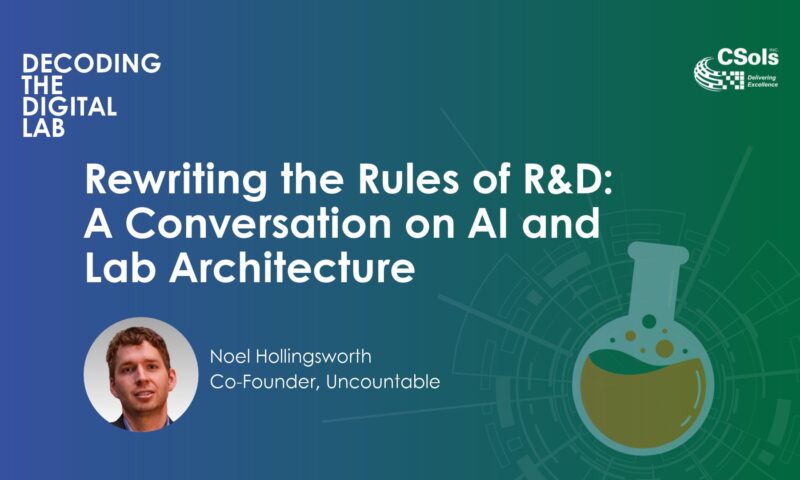 Why is digital transformation stalling in the physical sciences? In this CSols podcast episode, Uncountable CEO Noel Hollingsworth talks through what’s holding R&D teams back, where AI fits in, and how a modern lab architecture can help get new products to market faster. Worth a listen if you lead R&D or lab informatics projects.[Read More]
Intelligent Decision Support for Modern Lab Operations with LabVantage CORTEX and Agentic AI
 Most LIMS platforms store lab data but can't help interpret it. This Astrix post explains how LabVantage CORTEX uses agentic AI to spot assay and instrument drift, stability concerns, and workflow bottlenecks as work progresses. It runs as an orchestration layer, so the validated LIMS stays untouched and scientists keep the final call.[Read More]
LabLynx One: Built Around Solutions, Not Functionality
 LabLynx One is the next generation of LabLynx, available now. Instead of configuring a blank system for months, your lab starts with a ready-to-use solution built for your type of work, like water testing or used oil analysis, and runs in days or weeks. LabLynx LIMS and ELN are part of the platform, licensed by team with unlimited users.[Read More]
Removing the Barriers to ELN Adoption
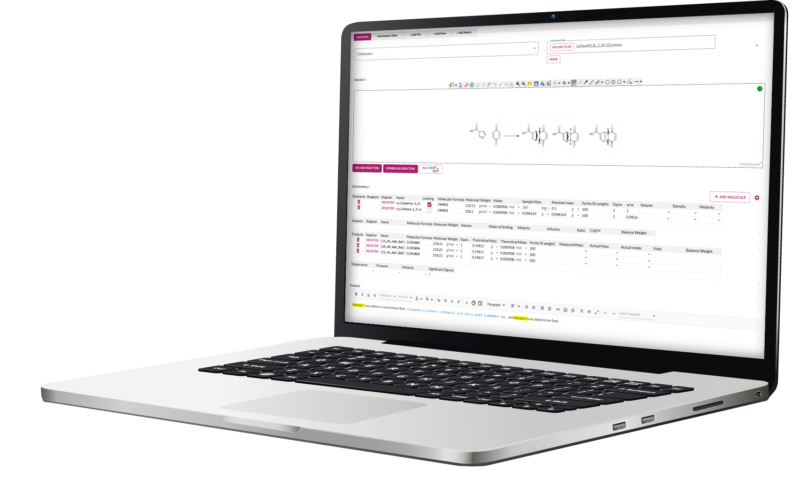 Many growing biotech companies recognize the benefits of an Electronic Lab Notebook but hesitate because they expect a complex implementation process. Arxspan ELN removes those barriers with a cloud-based solution designed for chemistry and biology teams, enabling rapid evaluation without manual activation, software installation, or IT overhead. Experience how easy it can be to capture, search, and share experimental data in a platform built specifically for modern research workflows.[Read More]
Bridging the AI‒Chemistry Divide: Embedding ML Engineering Expertise into Computational Chemistry Workflows
 A global biopharma company’s drug discovery program was stalling: ML models stuck as prototypes, slow HPC runs, and pipelines no one could reproduce. This Kalleid case study shows how one embedded ML engineer with computational chemistry know-how built production-ready tools, scalable GPU workflows, and reproducible pipelines the team could own.[Read More]

