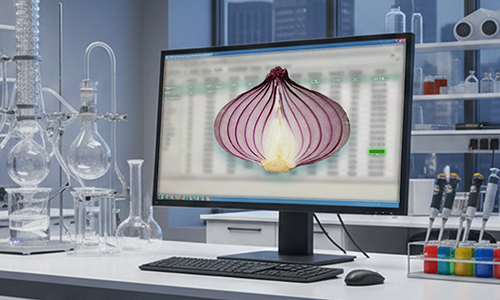
A LIMS is a comprehensive compliance and efficiency engine that streamlines the entire sample lifecycle—from registration and workflow automation to reporting and analytics—by integrating directly with lab instruments and enterprise software to ensure data integrity and ALCOA+ standards.
[Read More]
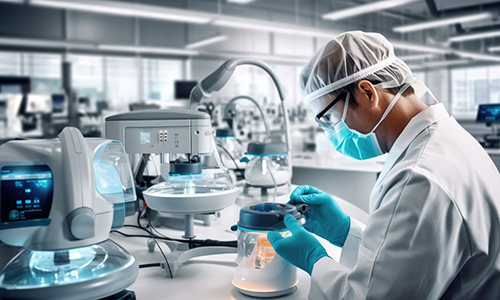
Modern biotech laboratories must adapt to Zero Trust Architecture while maintaining operational efficiency. Discover essential strategies for deploying lab instruments in secure enterprise networks, including network segmentation, identity management, and data protection—plus how to address real-world operational challenges.
[Read More]

Choosing the right electronic lab notebook depends on your organization's scale and complexity. Learn which ELN features matter most for startups prioritizing fast adoption, SMEs managing growth and governance, and enterprises requiring compliance maturity and global integration across discovery and development workflows.
[Read More]
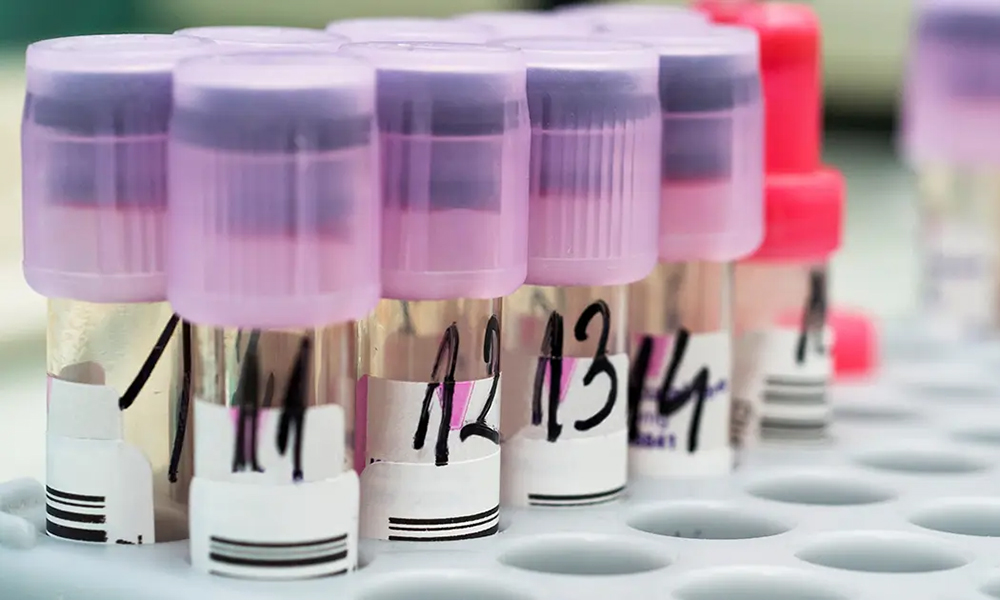
Lost samples are a hidden crisis costing labs millions in time, money, and disruption. Manual labeling and tracking failures lead to misplaced specimens and inefficiency. A modern LIMS with barcoding and real-time tracking eliminates these errors, ensuring traceability, reducing costs, and freeing labs to focus on science instead of search.
[Read More]
Fragmented lab data slows research and increases compliance risks. Modern labs need Lab Data Management Systems (LDMS) to unify experimental records and sample tracking in one centralized platform. The right LDMS reduces manual errors, improves reproducibility, and gives teams complete visibility across experiments—accelerating the path from discovery to development.
[Read More]
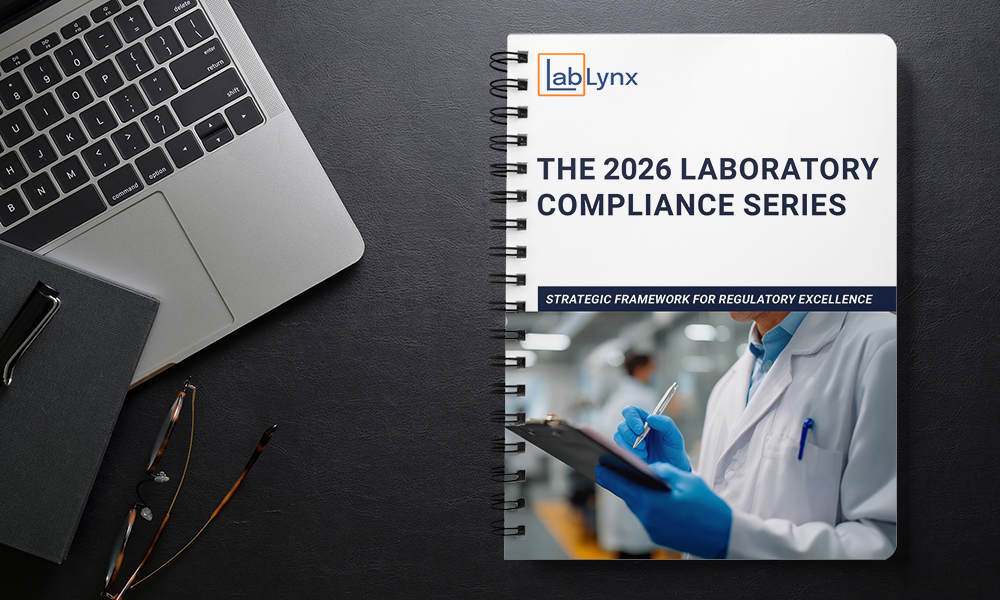
Laboratory compliance is a strategic advantage, not a checkbox. Modern laboratory software like LabLynx streamlines documentation, enforces quality standards, and ensures audit readiness. Purpose-built compliance tools help labs stay ahead of regulations while reducing risk, boosting efficiency, and maintaining data integrity confidence.
[Read More]
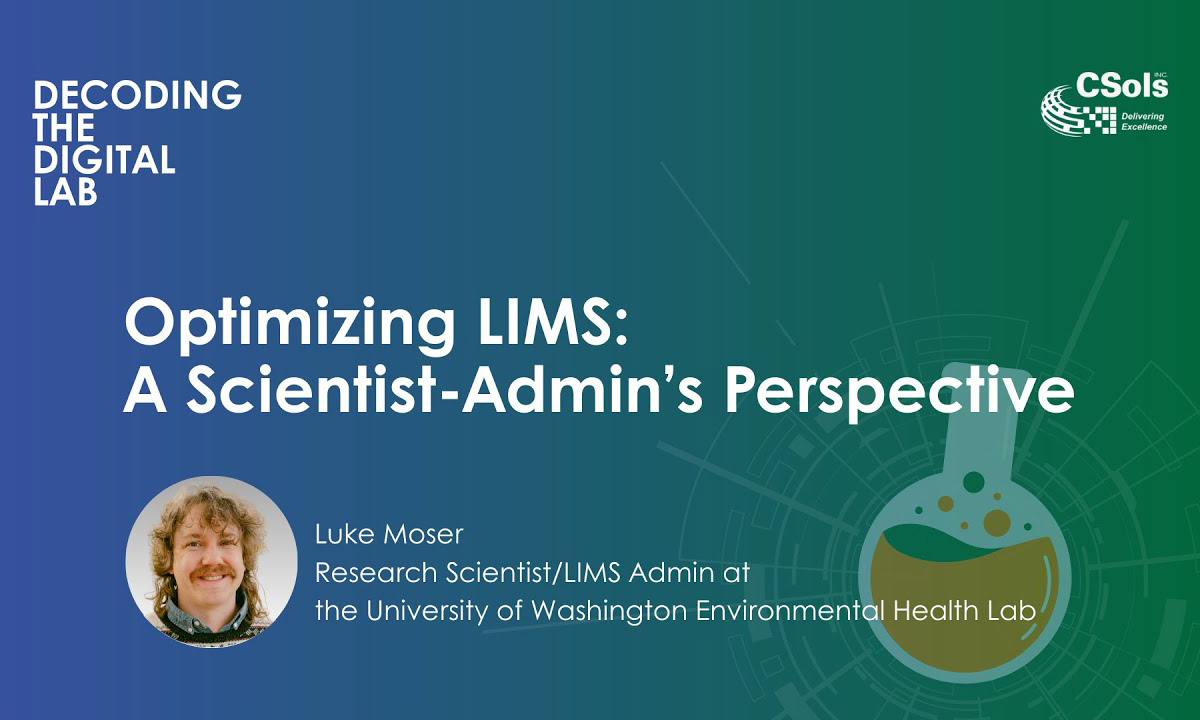
How does a six-person lab manage an enterprise-level LIMS? Research Scientist Luke Moser shares strategies from the University of Washington Environmental Health Lab's journey from scattered spreadsheets to a robust LabWare system. Discover practical insights on optimizing LIMS from a scientist-administrator perspective in this episode.
[Read More]

New research: Only 5% of scientists can analyze data independently with current ELNs. Two-thirds repeat experiments because results are hard to find, while 45% turn to shadow AI for help. Traditional ELNs function like "glorified filing cabinets"—scientists want tools that actively support analysis, not just documentation.
[Read More]
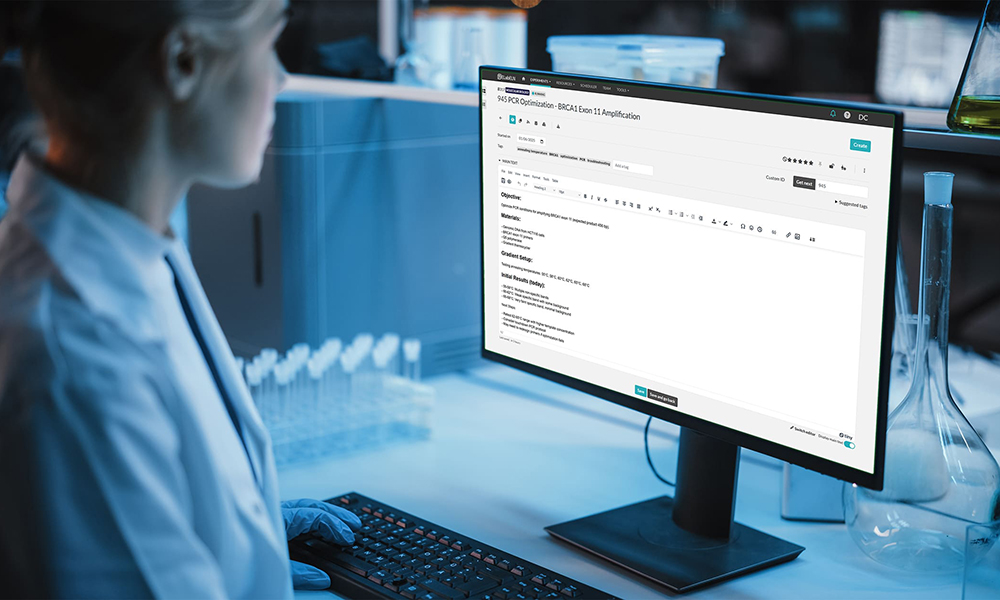
A digital lab notebook is purpose-built software for documenting research—not Word files or scanned pages. Researchers save 5-10 hours weekly with instant search, protocol templates, automatic backups, and seamless collaboration. Modern ELNs are web-based, intuitive, and often free. Find experiments in seconds instead of minutes.
[Read More]
Modern laboratories face mounting pressure to balance rigorous compliance with the need for speed. By transitioning from manual processes to integrated digital workflows, facilities can eliminate data silos and human error. Embracing advanced system automation and strategic change management ensures your lab remains competitive, scalable, and audit-ready in an evolving landscape.
[Read More]
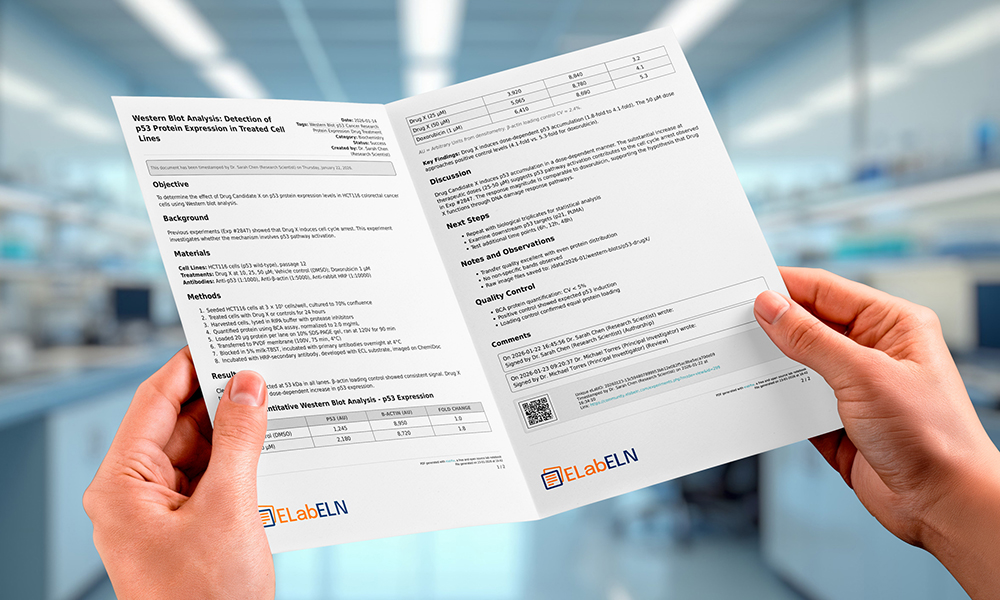
Most researchers lose 5-10 hours every week to their lab documentation system—whether paper notebooks, Word documents, or Excel spreadsheets. This article breaks down six invisible problems that feel "normal" but add up to hundreds of lost hours per year: the search spiral, version chaos, collaboration friction, scattered data, trust issues, and compliance nightmares.
[Read More]

One year after the adoption of ICH E6(R3), Risk-Based Quality Management (RBQM) has shifted from a best practice to a regulatory imperative. By prioritizing "Quality by Design" and proactive risk assessment, clinical teams can move beyond manual oversight to more adaptive, data-driven workflows. Embracing integrated technology and centralized monitoring ensures participant safety and data reliability in an increasingly complex trial landscape.
[Read More]

Implementing an Electronic Lab Notebook (ELN) is a strategic investment that extends far beyond digitizing paper records. A comprehensive ROI analysis reveals that while initial costs include setup and training, the long-term value stems from accelerated R&D timelines, reduced manual errors, and seamless data searchability. By unifying workflows on a single platform, labs can achieve faster breakthroughs and significant operational savings.
[Read More]
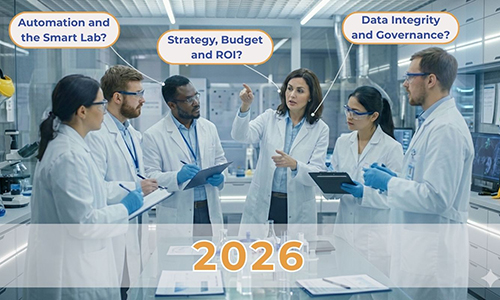
To remain competitive in 2026, laboratories must move beyond simple data collection to strategic data utilization. This roadmap focuses on achieving "data readiness" by prioritizing AI governance, automation, and FAIR data principles. By addressing key questions around interoperability and scalability, organizations can transform their labs into high-performance engines that drive faster, more reliable scientific insights.
[Read More]

Navigating the global regulatory landscape for Electronic Lab Notebooks (ELNs) requires a nuanced understanding of regional standards, from FDA 21 CFR Part 11 in the US to EMA and Annex 11 in Europe. Success hinges on ensuring data integrity through robust audit trails, electronic signatures, and localized compliance. By aligning digital workflows with specific regional mandates, labs can ensure seamless global collaboration and audit readiness.
[Read More]

When disruptions like natural disasters or equipment failures strike, clinical and medical labs must be ready. A solid contingency plan is critical to keep operations running smoothly, protect sensitive data, and ensure compliance. Discover how LIMS can provide seamless remote access, data security, and disaster recovery to safeguard your lab’s future.
[Read More]

This blog outlines a lab data management strategy focused on aligning digital systems with real-world workflows, implementing proactive weekly reviews, performing real-time data cleanup, and eliminating manual workarounds through automation and analytics platforms to ensure data integrity, trust, and operational efficiency.
[Read More]

Discover how the right laboratory software can transform your operations. From reducing errors and saving costs to boosting productivity and ensuring compliance, this guide reveals the key economic factors that justify upgrading to modern lab management solutions. Unlock your lab’s potential and achieve measurable ROI.
[Read More]

Strategic project planning is essential for successful LIMS implementations. Poor planning leads to cost overruns, missed deadlines, and user resistance. Key steps include defining clear objectives, assembling the right team, conducting needs assessments, prioritizing data migration, and developing change management strategies for long-term success.
[Read More]
Sapio Sciences announced ELaiN, its third-generation AI lab notebook, with a growing partner ecosystem featuring leading AI models, molecular modeling tools, and scientific platforms. ELaiN enables scientists to describe their research goals in natural language, transforming how labs approach scientific discovery and design workflows—moving beyond documentation into active scientific collaboration.
[Read More]


