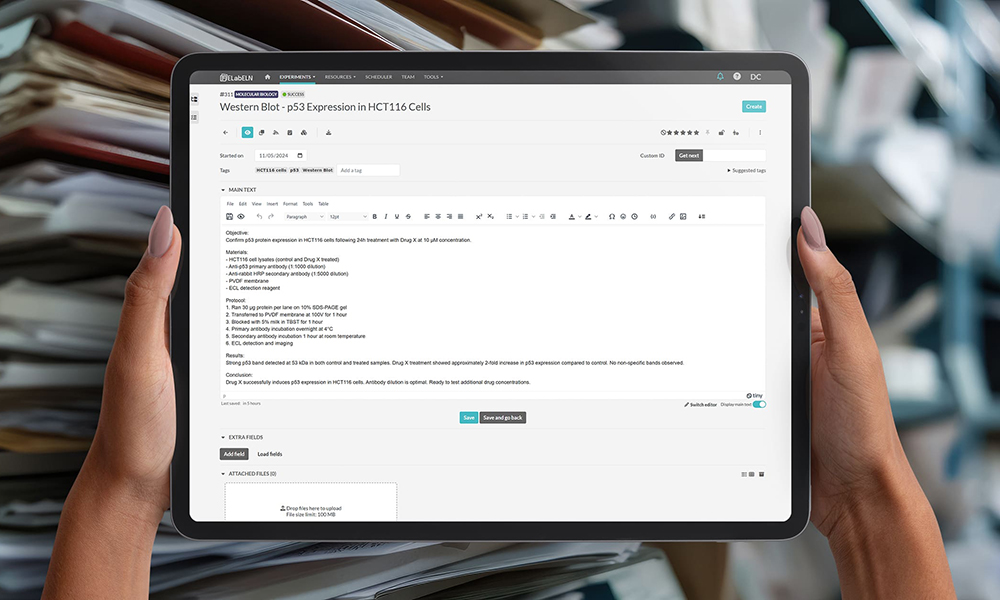
Step-by-step guide to implementing a digital lab notebook system across your entire lab or team. Learn how to set up organizational structure, create useful templates, establish naming conventions, roll out to your team without resistance, and build sustainable documentation habits. Includes real examples from successful lab transitions.
[Read More]

Today's workforce spans four generations, each with unique learning styles and expectations. From Baby Boomers who thrive in structured, hands-on settings to Gen Z's demand for mobile-friendly, interactive experiences, organizations must rethink training strategies. Discover how to bridge the generational divide and build programs that engage every employee.
[Read More]
When budgets tighten, labs don't need costly system overhauls — they need smarter use of what they already have. Learn how layering AI onto existing LIMS, ELN, and SDMS platforms can eliminate manual tasks, recover thousands of labor hours, and turn dark data into actionable insights, transforming your lab from a cost center into a competitive advantage.
[Read More]
Kalleid's Winter 2026 newsletter delivers actionable insights for life science organizations, featuring change management best practices from the Pistoia Alliance, a LabWare LIMS implementation case study, real-time data integration with Sapio webhooks, and guidance on GxP validation of AI/ML tools and AI-assisted technical writing.
[Read More]
AI agents transform laboratory efficiency but create security challenges traditional lab IT wasn't designed for. Agents authenticate thousands of times daily, access multiple systems simultaneously, and operate autonomously 24/7. A compromised agent can corrupt processes, manipulate results, or extract data at machine speed. Discover why autonomous operations require different security architecture.
[Read More]
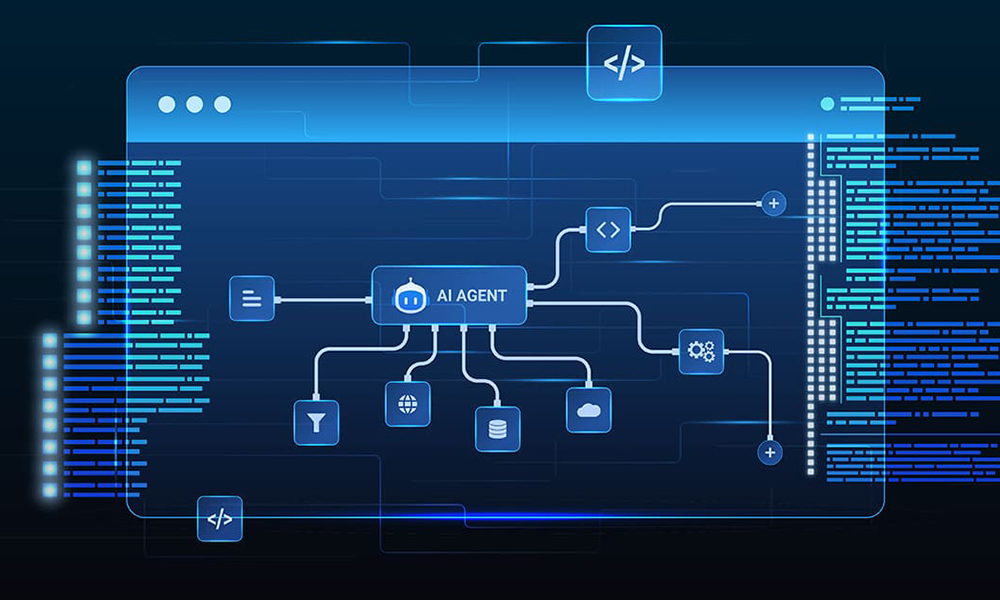
AI agents represent something fundamentally different from AI analysis tools most labs already use. An AI agent doesn't just analyze data—it takes autonomous actions across laboratory systems. It monitors instrument queues, reorders reagents, adjusts workflows, and routes results without human intervention. The difference between AI analysis and AI agents is the difference between a calculator and an autopilot.
[Read More]

Labs today aren't just storing data — they're expected to prove every change with an unbroken audit trail. This article breaks down how ALCOA+ principles, strategic workflow planning, and proper system configuration form the foundation of data integrity. Learn how to identify gaps, build a roadmap, and use analytics as a continuous monitor for data health.
[Read More]
A global biopharma company faced fragmented systems, manual data entry from external partners, and compliance risks. This case study details how a cloud-based LabWare LIMS implementation — paired with a structured change management and training program across sites in the US, Germany, and Japan — achieved 100% user adoption and ongoing improvement.
[Read More]

Migrating from legacy systems to a modern ELN is high-stakes — historical research data contains irreplaceable IP, regulatory evidence, and institutional knowledge. This article outlines how to design migration strategies that preserve scientific context, maintain audit trails, and meet FDA 21 CFR Part 11 and EU Annex 11 compliance requirements.
[Read More]
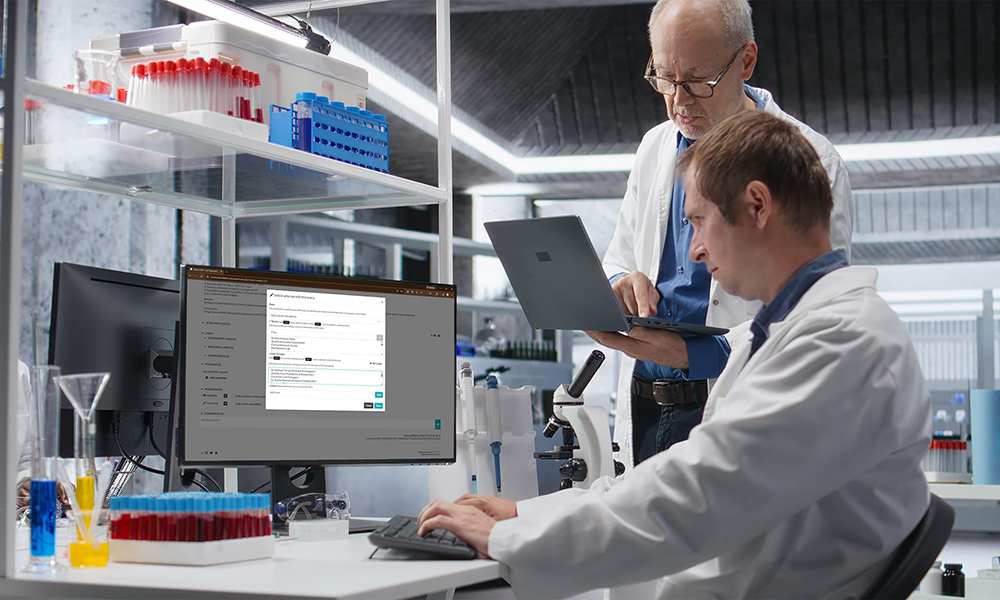
Learn how to share experiments with your PI, collaborate with lab mates, and coordinate across teams without email attachment chaos. This guide covers sharing workflows, permission settings, real-time collaboration, and team coordination using digital lab notebooks. Includes practical examples for common lab scenarios and permission strategies.
[Read More]
AI is becoming essential for labs in 2026, but many remain unprepared due to fragmented, inconsistent data. The bottleneck isn't algorithms—it's data quality. Labs need structured, standardized, context-rich data. A modern cloud-based LIMS provides the critical foundation, enabling data integration, automation, traceability, and AI-readiness at scale.
[Read More]
As regulatory pressures evolve and new technology becomes available, 2026 is the year for labs to reassess their standards and practices. From the rollout of ISO 15189:2022 and strengthening data integrity with ALCOA+ principles, to integrating ELN and LIMS workflows and building sustainability reporting into capital budgets — this article covers what high-performing labs are prioritizing now.
[Read More]
Audit trails tell you what happened, but not why it happened. Labbit LIMS uses workflow execution itself as the system of record, capturing every step in a knowledge graph where actions are causally linked and fully contextualized. This approach provides true data provenance, defensible validation, and regulatory compliance by design.
[Read More]
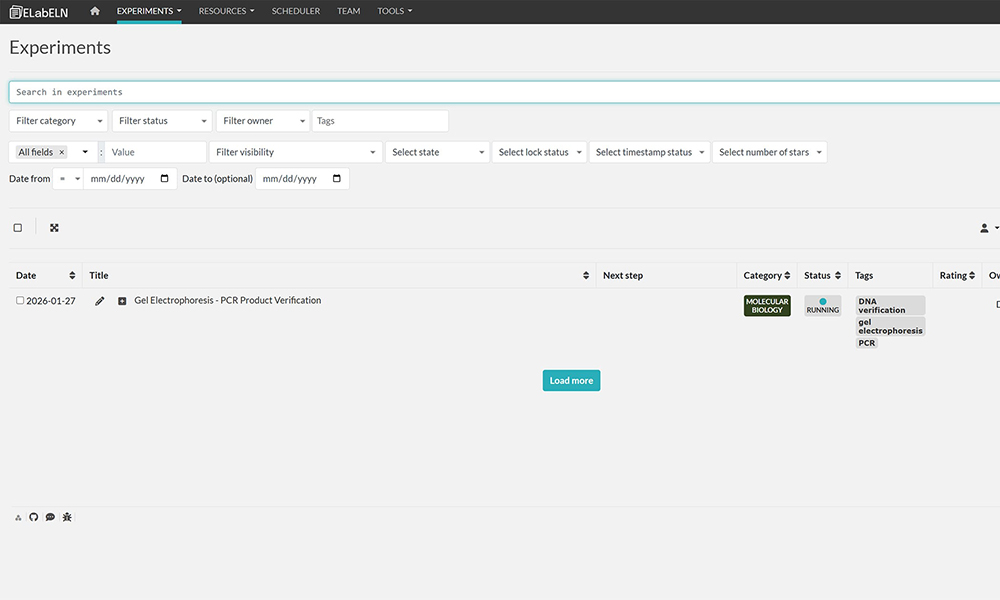
Learn how to organize and find your experiments effortlessly using search, tags, categories, and filters in a digital lab notebook. This guide shows you exactly how to set up an organization system that makes finding any experiment—even from years ago—take seconds instead of minutes. Includes real search examples and best practices.
[Read More]
AI and machine learning tools in GxP environments face unique validation challenges: black-box algorithms lack transparency required for ALCOA+ compliance, models evolve dynamically while regulations demand static reproducibility, and training data quality issues threaten compliance. The FDA's risk-based approach offers guidance for lifecycle management.
[Read More]
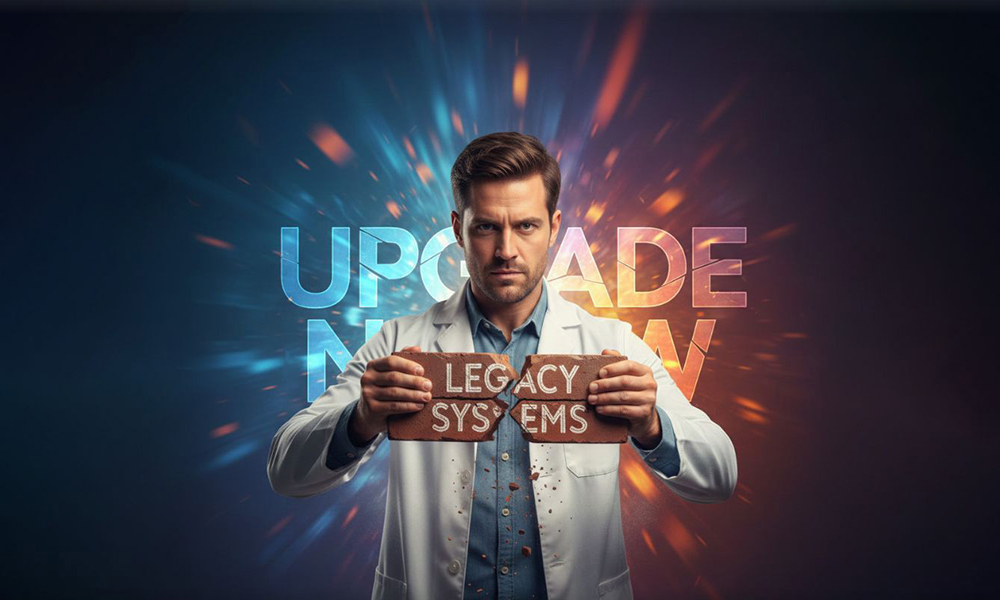
Operating on older LabWare versions means missing critical advancements in performance, compliance, and user experience. LabWare 8 delivers superior speed, ALCOA+ data integrity features, cloud deployment flexibility, browser and mobile access, and modern RESTful web services. Upgrading is a strategic investment in operational excellence.
[Read More]
Analytical chemistry demands traceable, reproducible data, but manual documentation introduces inconsistencies and compliance gaps. Electronic lab notebooks transform operations by standardizing methods with version control, integrating instrument data directly into experimental records, automating calculations, and embedding quality controls for scalable, compliant research.
[Read More]
Considering a LIMS or ELN implementation? In this episode, Luc Duijsens, a seasoned leader in digital quality transformation and LIMS implementation, shares insights on maintaining customized environments, understanding platform differences, and selecting systems strategically.
[Read More]

Environmental labs processing 1000+ samples monthly face a critical challenge: maintaining defensible chain of custody without overwhelming staff. A single documentation gap can invalidate test results and derail legal proceedings. Learn the automation strategies high-volume labs use to cut CoC documentation time by 60-80%.
[Read More]
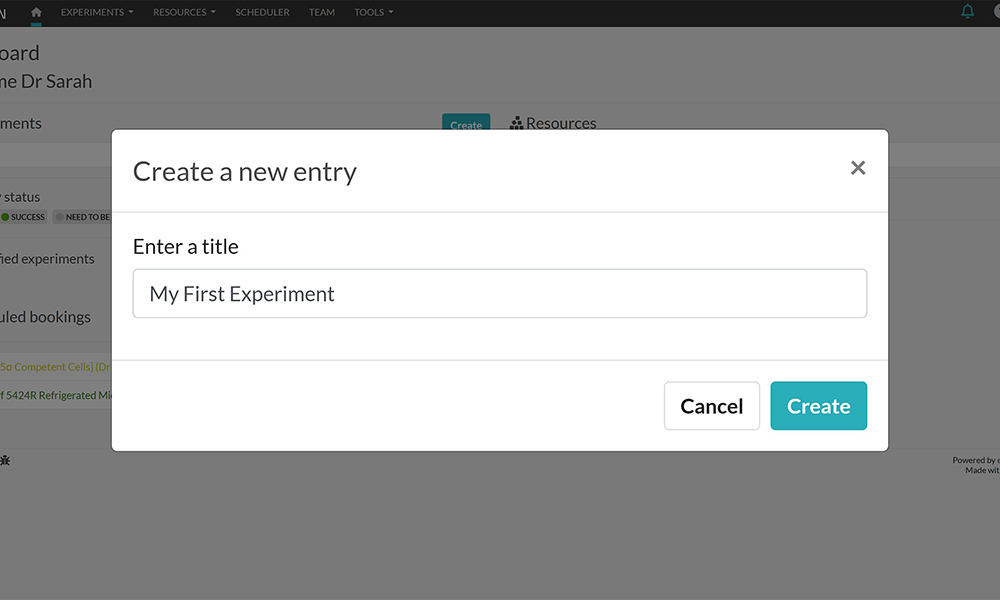
This step-by-step guide shows you how to document your first experiment in ELabELN — from signing up and creating an account to entering your experiment details, embedding results like images, saving, and instantly finding it again. The process takes just minutes and makes digital documentation easier than paper.
[Read More]


