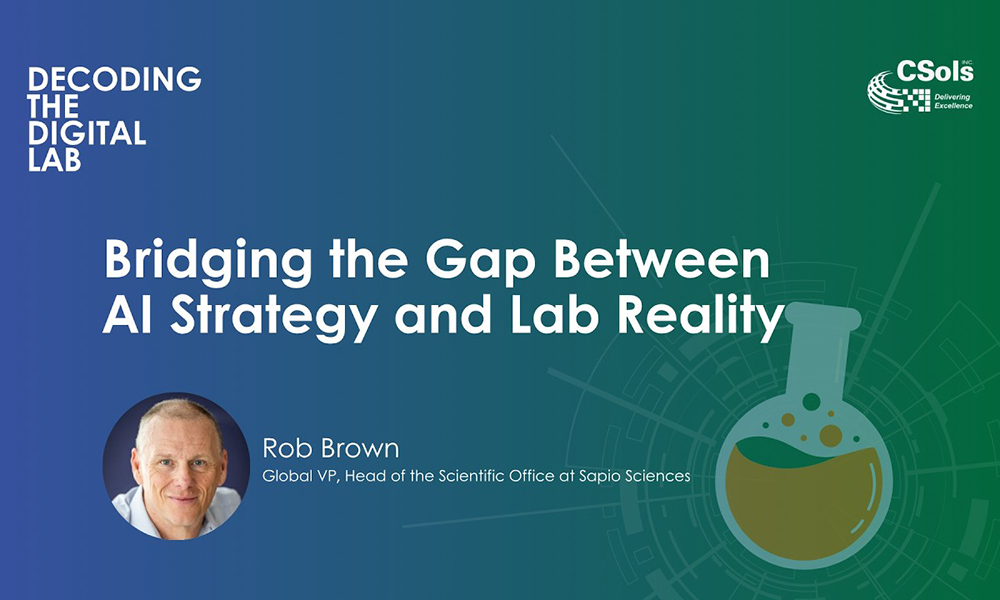
Stop waiting for perfect data to transform your research. In this episode of Decoding the Digital Lab, Rob Brown of Sapio Sciences pulls back the curtain on how leading labs are moving past AI hype and into real results, including 90% fewer physical compounds and 3x faster discovery phases. Tune in to bridge the gap between AI strategy and lab reality.
[Read More]

Modern labs do not just need more throughput, they need a structured, reliable data foundation behind every scientific decision. See how LabWare redefines LIMS as a strategic asset through configurable workflows, standardized data models, automated instrument capture, and built-in governance that keeps data trustworthy and analysis-ready.
[Read More]

A GxP-validated LIMS is not enough on its own. Auditors scrutinize how labs calibrate equipment, validate methods, investigate deviations, approve changes, and trace reagents end to end, and many of those workflows still live in paper, spreadsheets, and email. With FDA 21 CFR 211.68(b) citations up 55% since 2022, here is how to close the gap.
[Read More]

Under ICH E6(R3), the sponsor owns the integrity of all data, including vendor data, and misalignment can mean fines, production halts, or rejection of clinical data. This white paper is a strategic roadmap for moving your QMS and MES from one-size-fits-all validation to the risk-based, proportional model now expected by the FDA and Health Canada.
[Read More]

Kalleid will present at Certainty US 2026 on April 14-15 in Boston, MA. Principal Scientific Application Manager Jonathan Buttrick will discuss improving data quality after registration system migrations, sharing lessons from migrating multiple regional systems into one global Chemaxon Compound Registration deployment at Takeda Pharmaceuticals.
[Read More]

The LabLynx ELN Suite gives academic research groups a full-featured electronic lab notebook at no cost with unlimited users. Whether your team works in life sciences, engineering, environmental research, or teaching labs, the Community Edition is built to support your research and your students through a true academic partnership, not a vendor relationship.
[Read More]
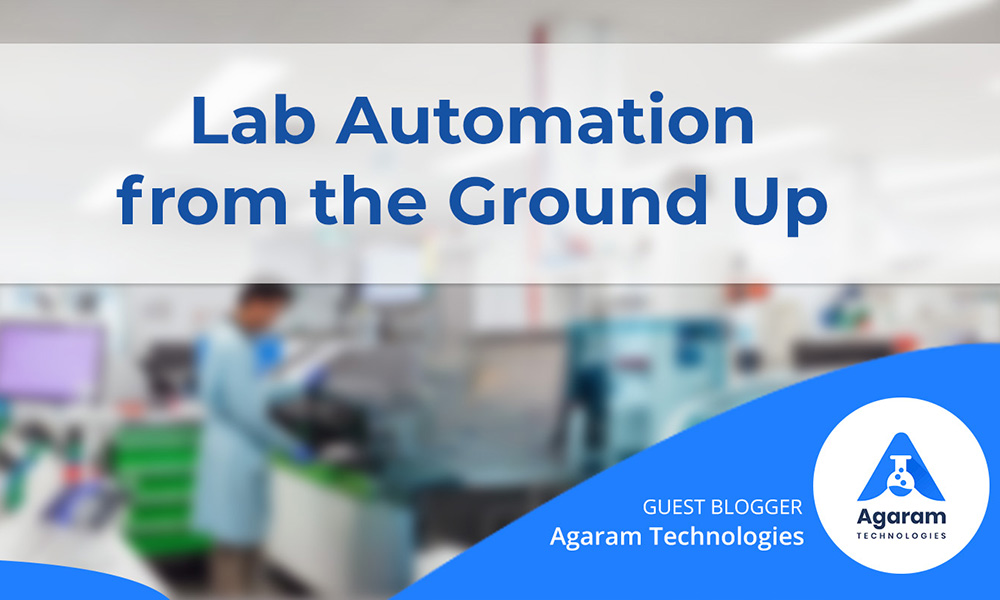
Setting up a new lab? The digital foundation matters as much as the physical one. This article explores how implementing LIMS, ELN, and SDMS from day one helps map research workflows, embed data integrity through ALCOA+ principles, build in regulatory compliance, and enable end-to-end traceability through system integration.
[Read More]

Nearly all lab professionals (97%) now use some form of AI, and 77% turn to public tools like ChatGPT alongside their ELN. The problem? 45% do so through personal accounts, pulling scientific reasoning outside governed workflows. This article explores why labs need context-aware AI inside the notebook, not a crackdown.
[Read More]

Traditional publishing pushes static content to users, but CaaS flips the model by pulling and assembling content on demand. By linking repositories through APIs and delivering only what's relevant, CaaS enables omni-channel customization, reduces storage burden, and accelerates delivery. Learn how CaaS is reshaping technical communications.
[Read More]
Semaphore Solutions has officially rebranded as Labbit. After a decade of helping laboratories tackle complex informatics challenges, spanning hundreds of implementations and over 300,000 hours of work across clinical diagnostics, genomics, and GMP manufacturing, the company has shifted its full focus to the Labbit modern LIMS platform.
[Read More]
New research from Sapio Sciences reveals that 65% of lab professionals report repeating experiments because prior results are too hard to find or reuse. While 81% say their ELN records data effectively, it falls short on interpretation. The findings highlight a growing need for next-generation notebooks that support reuse, context, and decision-making.
[Read More]

With 14% of IT projects deemed total failures and 31% missing their original goals, user acceptance testing (UAT) is a critical safeguard for scientific informatics implementations. This white paper from Kalleid outlines best practices for building effective UAT teams, scripts, and acceptance criteria to ensure systems meet real user needs.
[Read More]
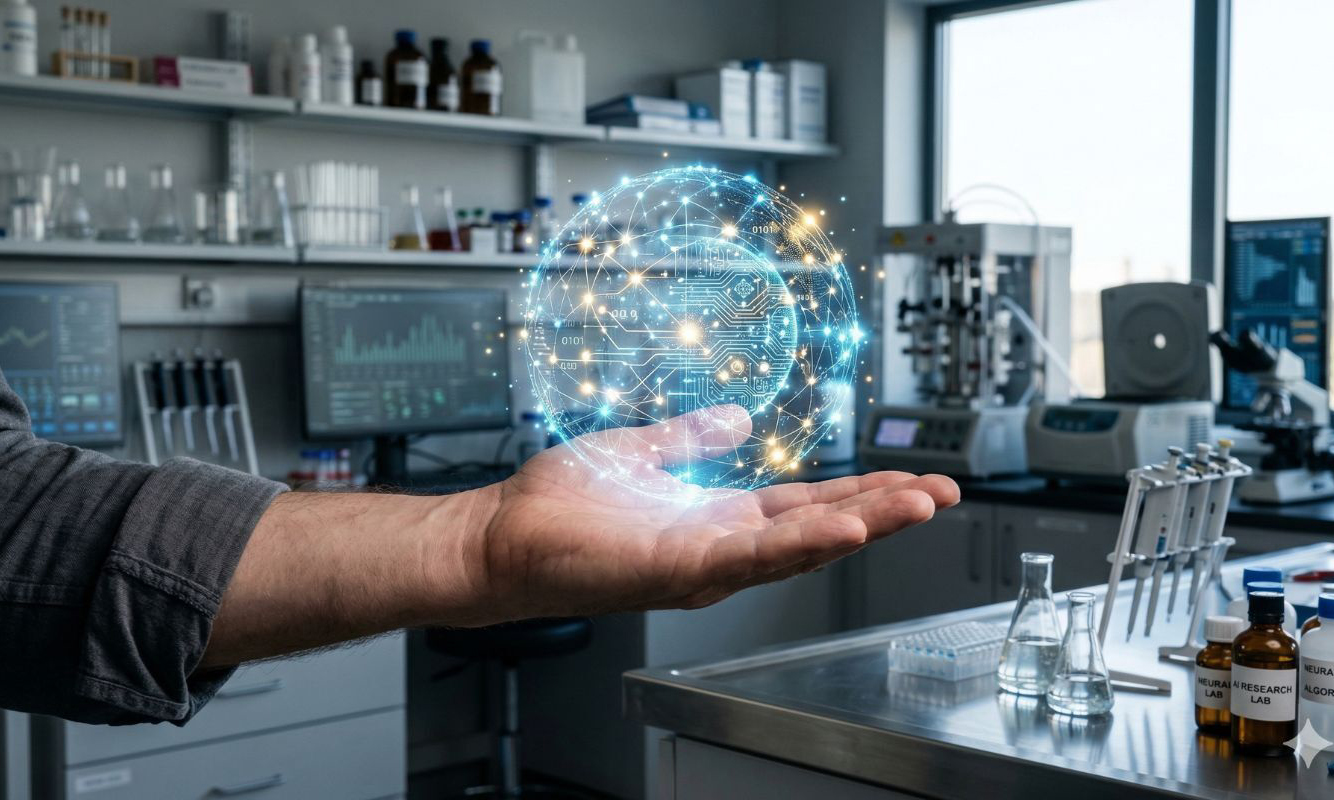
This white paper from CSols explores how laboratories can move beyond reactive reporting into predictive modeling and automated discovery. Key topics include breaking down fragmented vendor silos, ensuring data is FAIR-compliant, anchoring AI-generated insights, and maintaining GxP and GAMP 5 compliance throughout the digital transformation process.
[Read More]

With 66% of complex enterprise software implementations failing to meet objectives, choosing the right laboratory information system demands more than a feature checklist. Astrix outlines a regulatory-first selection framework covering stakeholder alignment, 21 CFR Part 11 compliance, build vs. buy analysis, and phased implementation strategy.
[Read More]

How long should you keep lab notebooks? The answer depends on your field, funding source, and regulatory requirements. From NIH's 3-year minimum to indefinite retention for patent-related work, this guide breaks down retention timelines across academia, FDA-regulated research, clinical trials, GLP studies, and more.
[Read More]

PE firms eyeing eClinical tech investments should evaluate five key areas: the rapidly growing market landscape (projected to hit ~$13B by 2035), core platform architecture and technical debt, regulatory compliance maturity (GxP, 21 CFR Part 11), a clear post-acquisition integration and value-creation strategy, and rigorous, objective due diligence across all dimensions.
[Read More]

Investing in laboratory informatics software leads to measurable ROI through increased efficiency, reduced errors, and streamlined workflows. From faster turnaround times to improved compliance and scalability, labs that adopt the right digital tools position themselves for long-term operational and financial success.
[Read More]
Biotech labs can control costs and boost efficiency through strategic workflow automation. By aligning LIMS, ELN, and other informatics platforms with existing processes, labs eliminate manual data re-entry, reduce bottlenecks between disconnected systems, and maintain audit-ready data integrity — freeing scientists to focus on real lab work instead of managing tech issues.
[Read More]
A global biopharma company building a new cell therapies manufacturing facility lacked in-house expertise for 21 CFR 11-compliant IT documentation. Kalleid implemented a writing and review framework, trained multinational engineering teams, and managed document release through the QMS — eliminating the documentation bottleneck and keeping the facility on its go-live timeline.
[Read More]

With 65% of scientists repeating experiments due to lost context and 55% of scientific data effectively "dark," life sciences organizations need a "digital-from-day-one" strategy. Building a unified lab informatics backbone before the science begins ensures audit-ready compliance, preserves workflow context, and creates the trusted data foundation AI tools require to deliver real value.
[Read More]


