
Skipping validation steps to save time is counterproductive, as lax procedures lead to costly rework, erode confidence, and introduce errors that compromise data quality and regulatory compliance. A careful, risk-based approach to validation, using guidance like Computer Software Assurance (CSA), is crucial for building trust in lab systems, ensuring successful audits, and setting a robust foundation for future changes and upgrades.
[Read More]

Budget LIMS platforms appear cost-effective until the hidden expenses emerge: integration failures consuming triple initial estimates, compliance violations generating six-figure liabilities, and vendor instability forcing emergency replacements. Environmental and clinical labs consistently spend 2-3x more over five years on "affordable" software versus enterprise solutions like LabLynx that eliminate these costly risks through proven automation, regulatory compliance, and 30+ years of operational stability.
[Read More]
When it comes to laboratories and quality, the new ISO 17025:2017 standard stands front and center. This essential framework not only streamlines and standardizes laboratory quality systems, but also gives organizations a vital competitive edge in the marketplace. Check out this eBook to learn more about the new ISO 17025/2017 requirements.
[Read More]

Join us at SapioCon 2026 in Boston (Feb 18-19) as biopharma leaders move beyond AI hype toward real-world impact. Experience hands-on training with science-aware AI lab informatics, hear industry keynotes from Novo Nordisk and LabConnect, and discover practical workflows that accelerate drug discovery. Register now for smarter science.
[Read More]
In this episode of Decoding the Digital Lab, host Becky Stewart (CSols) speaks with Dan DeAlmeida (ZONTAL) to unpack the truth behind today’s most hyped lab technologies. From AI and IoT to VR and the foundational role of the cloud, Dan breaks down which innovations are actually transforming lab operations—and which remain niche.
[Read More]
Explore Astrix's top 2025 content! Discover on-demand webinars and white papers covering AI readiness in R&D labs, hyperautomation for life sciences, digital transformation strategies, and clinical trial efficiency. Get expert insights on moving from paper-based labs to fully digital operations. Access our most-read resources now.
[Read More]
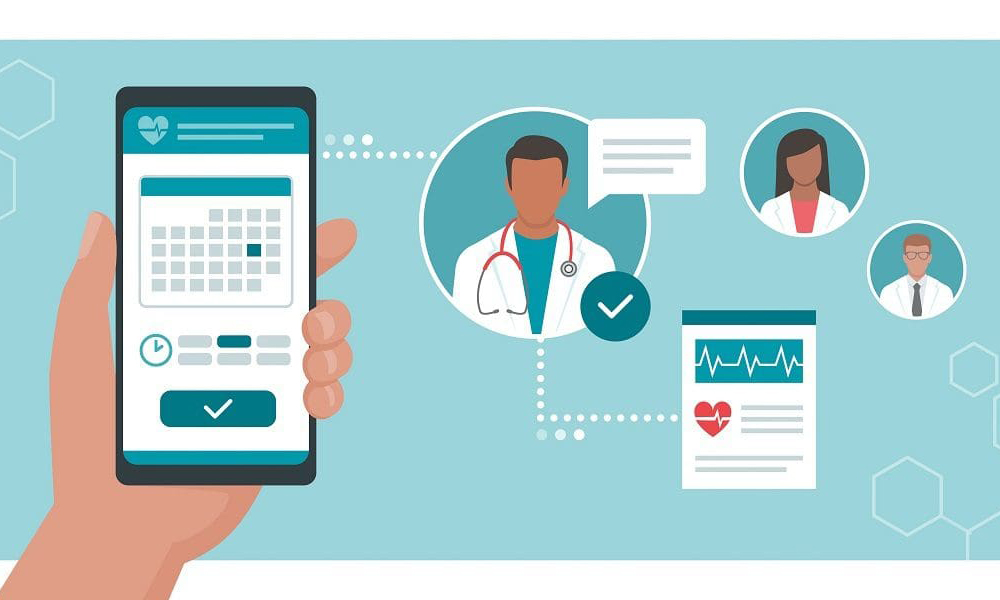
Clinical laboratories waste $180K-$240K annually on manual result delivery—phone calls costing $4.50-$8.00 each that web portals eliminate entirely. Labs without digital access lose 12-18% of physician volume to competitors while accepting massive HIPAA violation risk. Web portals deliver full ROI in 11-18 months through 70-85% inquiry reduction, improved compliance, and patient retention—yet many labs still operate with 1990s infrastructure, ceding market advantage daily.
[Read More]

Manual billing drains resources and delays payments. Modern LIMS with integrated accounting automates invoicing, tracks inventory costs in real time, and delivers financial insights that drive profitability. Labs report 30% fewer billing errors, 20% faster payments, and 15% lower supply costs. Learn how to transform your lab's financial operations.
[Read More]

Reusability, the final FAIR principle, transforms lab data from temporary records into long-term scientific assets. While LIMS systems track provenance and maintain data integrity internally, full FAIR reusability requires clear licensing, standards alignment, and long-term stewardship—achievable through complementary tools or modern platforms.
[Read More]
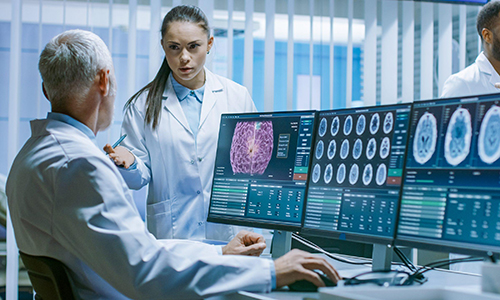
Dara McCreary and Anthony Chambers break down AI adoption in R&D labs, addressing organizational resistance, infrastructure gaps, and data quality issues. Learn practical steps to start your AI journey: pilot small workflows, establish governance frameworks, prioritize reproducibility, and scale proven solutions while maintaining compliance.
[Read More]
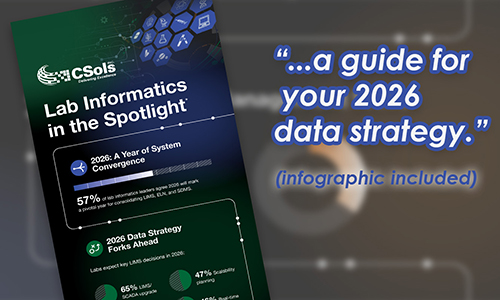
CSols commissioned a survey of 156 lab managers and directors across oil and gas, energy, chemical, and materials industries to reveal data strategy trends for 2026. The insights help lab leaders benchmark their operations and make informed strategic decisions. A self-assessment tool and full results ebook are available.
[Read More]
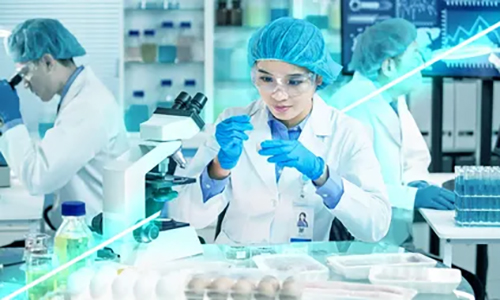
Confience explores how LIMS software streamlines ISO 17025 compliance in food testing laboratories. A specialized LIMS like myLIMS centralizes documentation, automates workflows from sample registration to report generation, reduces errors, and helps labs demonstrate technical competence while positioning them as quality leaders in the food industry.
[Read More]
Despite stringent regulatory standards, most laboratories still rely on paper-based and fragmented legacy systems that compromise data integrity, compliance, and efficiency. Migrating years of complex legacy data into modern informatics platforms like LIMS, ELN, and SDMS is essential to achieve a unified, searchable, and compliant digital environment through automated capture, validation, and context preservation.
[Read More]
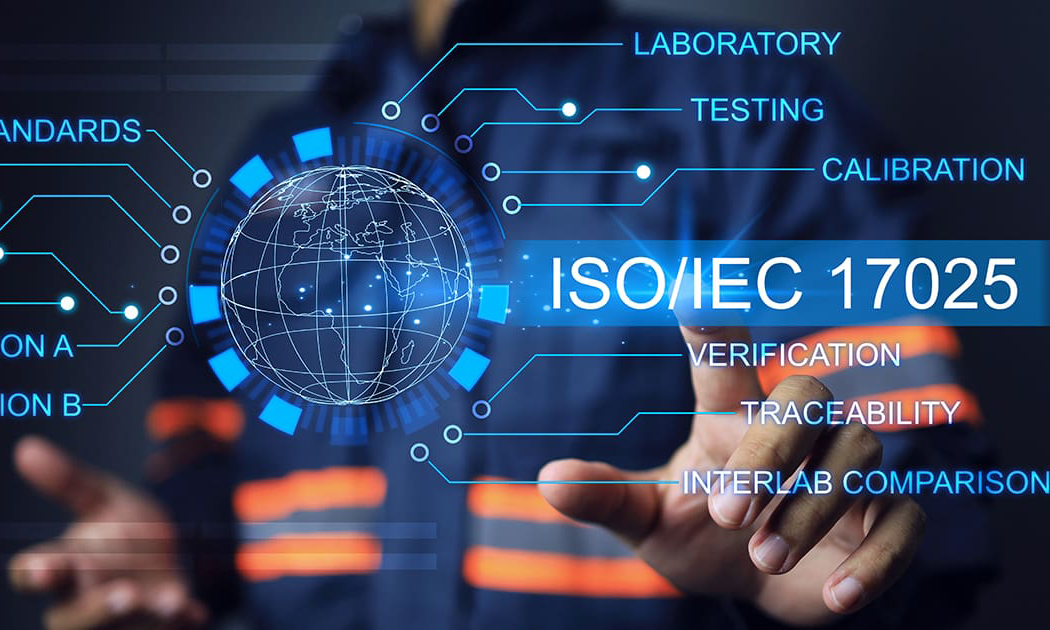
ISO 17025 accreditation is more than a certificate. It's your lab's competitive edge. From sample traceability and method validation to equipment calibration and audit readiness, modern LIMS technology transforms complex compliance requirements into streamlined workflows. Discover how to build a trusted, high-performing lab that meets global standards.
[Read More]
Discover how labs are transforming from rigid legacy systems to agile, AI-powered digital environments. Explore composable architecture, machine learning insights, compliance strategies, and talent approaches accelerating scientific discovery. Modernization isn't optional—it's essential for competitive advantage in 2026. Future-proof your lab now.
[Read More]

Business Intelligence revolutionizes lab operations by integrating data from multiple sources, identifying trends, and providing real-time insights. BI improves accuracy, optimizes processes, and supports informed decision-making through advanced analytics and visual dashboards—particularly valuable for service labs and production quality control.
[Read More]
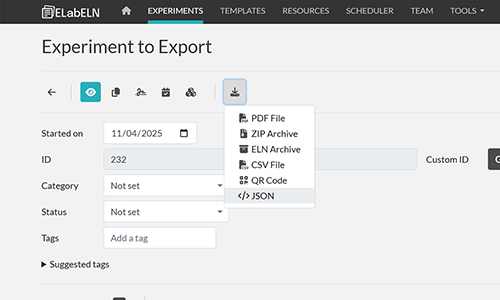
Paper-based documentation costs small labs $32,500+ annually in lost productivity plus unquantified audit and data loss risks. ELabELN delivers LabLynx's 30 years of enterprise expertise through a free, production-ready electronic lab notebook—eliminating barriers to professional documentation while establishing scalable infrastructure for inevitable growth.
[Read More]
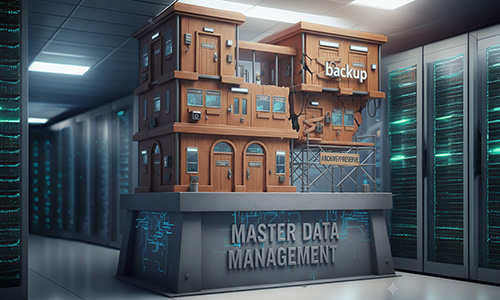
Modern laboratories must manage complex scientific data by implementing a strategy that goes beyond simple backup to ensure long-term integrity and compliance. A robust strategy relies on master data management (for foundation and structure), data backup (for quick, short-term recovery), data preservation (for long-term usability and active format migration), and data archiving (for immutable, long-term regulatory recordkeeping).
[Read More]
Bem Brasil transformed their quality management by replacing manual Excel tracking with myLIMS. Results: 156,000 sheets of paper saved annually, 50% faster data tracking, real-time dashboards for agile decisions, and enhanced supplier collaboration through instant report sharing. Discover how automation drives efficiency in food production.
[Read More]
Dive into the complexities and immense potential of FAIR data in this episode of Decoding the Digital Lab. Host Becky Stewart (CSols) is joined by expert Nick Lynch to explore why Findable, Accessible, Interoperable, and Reusable data is far more than a buzzword—it's the critical backbone enabling AI, accelerating research, and transforming modern R&D. Learn how FAIR principles can unlock new value, reduce waste, and future-proof your scientific data ecosystem.
[Read More]


