
Experts tackle the messy reality of bringing AI into regulated labs. This podcast covers what actually works when implementing new technology, why collaboration makes or breaks R&D success, and the practical hurdles teams face during transitions. Real lab experience meets strategic thinking on streamlining workflows and driving adoption.
[Read More]

Semaphore explores interoperability challenges in lab data management, covering why traditional LIMS often fall short on semantic standards and proprietary schemas. The article discusses ontologies, controlled vocabularies, and API integration as solutions. Standard industry perspective on FAIR principles and data exchange barriers.
[Read More]
Sapio Sciences' ELaiN electronic lab notebook received recognition in the 2025 BioTech Breakthrough Awards for AI integration. The platform combines generative AI with lab workflows, offering features like molecular docking, data analytics, and protocol execution. Industry award acknowledges AI-native approach to scientific documentation.
[Read More]

Holiday staffing challenges risk operational disruptions, compliance failures, and client dissatisfaction. A LIMS transforms resource management through automated scheduling, workload balancing, and workflow continuity—maintaining service quality and regulatory compliance with reduced staff while protecting revenue and customer relationships during peak periods.
[Read More]

Labs with integrated LIMS command 1.5x higher valuations. Modern systems accelerate due diligence from weeks to days, integrate 60% faster, and eliminate buyer-imposed escrows of $500K-$800K. A $500K LIMS investment can generate $2M-$4M in additional sale proceeds. Your data systems aren't costs—they're valuation multipliers worth millions.
[Read More]
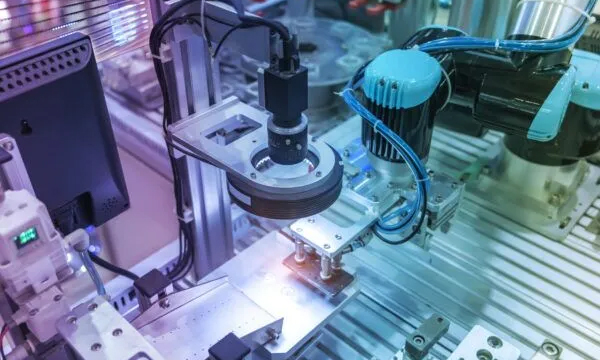
Biopharma 4.0 represents a shift toward unified, data-driven operations where CMC workflows connect discovery, development, and manufacturing into one ecosystem. Digital transformation and AI-ready data structures can reduce redundancies, improve regulatory compliance, and accelerate drug development timelines.
[Read More]
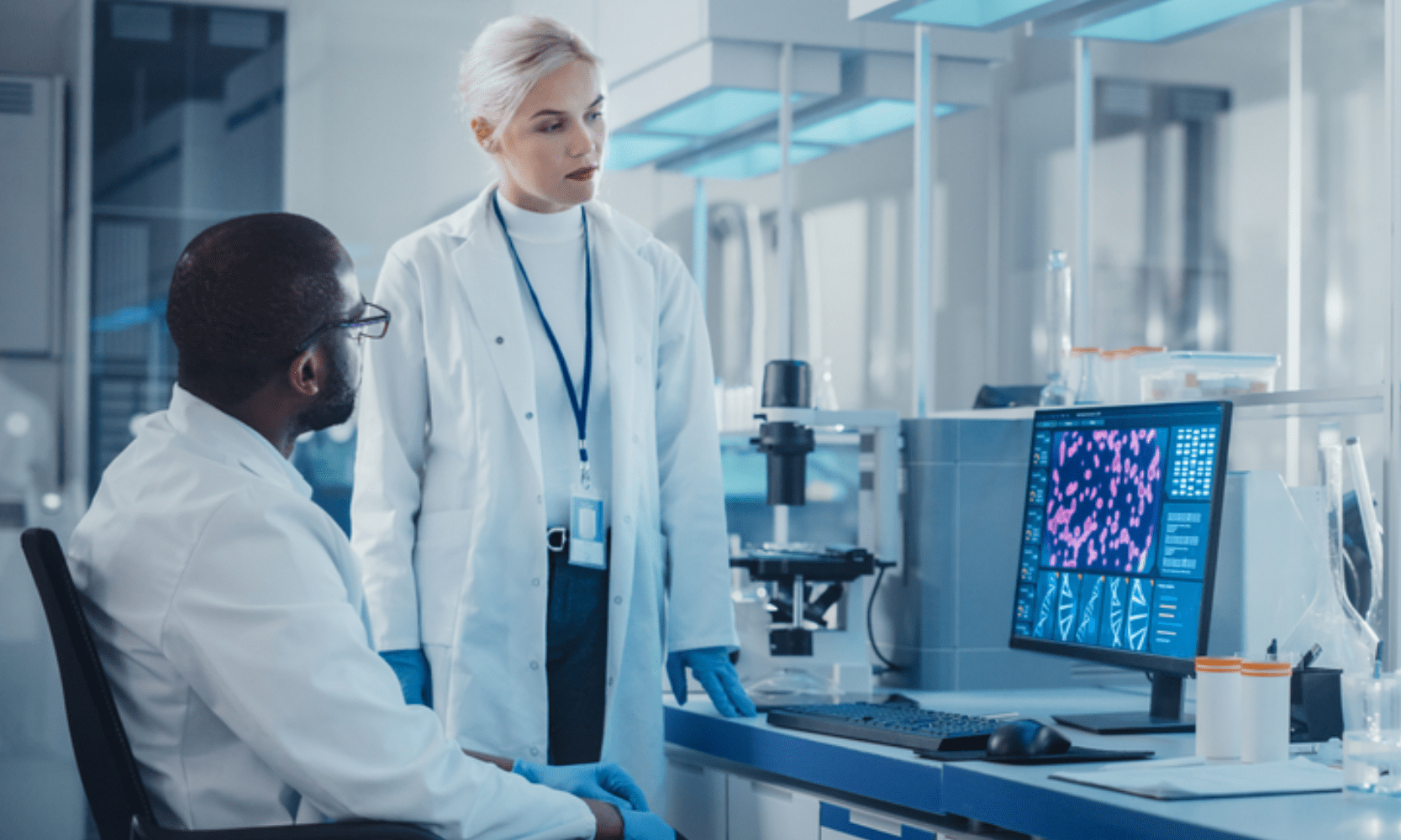
Modern labs are transitioning from rigid legacy systems to modular, AI-powered environments that enable faster discovery and real-time insights. Key drivers include composable architecture, integrated data ecosystems, embedded compliance, and talent strategies that support cross-functional collaboration and continuous innovation.
[Read More]
LIMS project failure rates remain unacceptably high—most fail due to strategic planning gaps, not technical issues. CSols Inc. launched a free biweekly email series delivering proven implementation guidance across six critical phases: securing C-suite sponsorship, building resilient teams, avoiding costly customization, managing data integration, ensuring compliance, and driving user adoption.
[Read More]
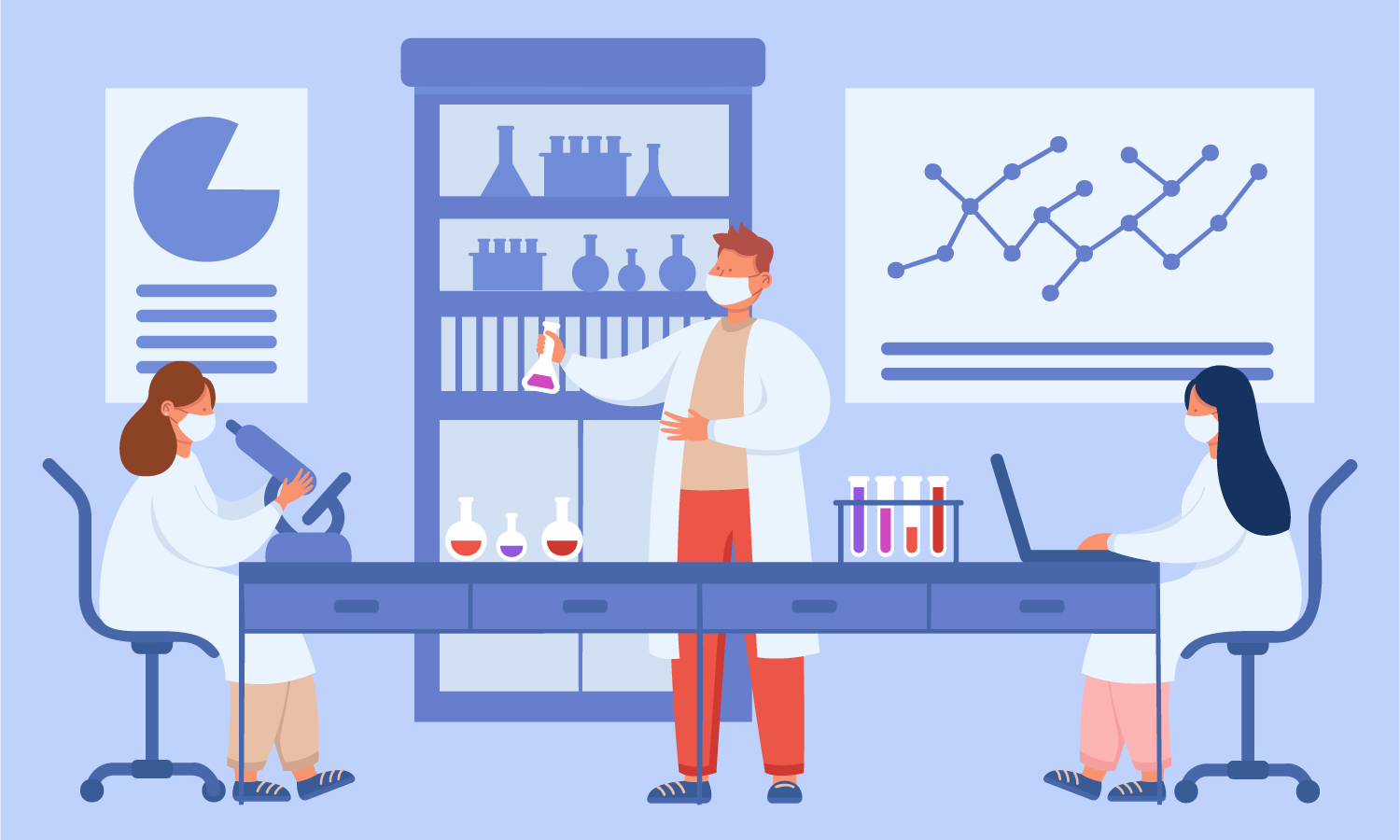
FAIR data accessibility focuses on secure, standards-based retrieval of lab data and metadata once located. While LIMS platforms provide centralized storage and role-based access controls, traditional systems may require supplemental APIs and data repositories to achieve full FAIR compliance across organizational boundaries.
[Read More]
A mining laboratory transformed operations by implementing LIMS to address manual record-keeping challenges and poor data traceability. Results included 30% increased team availability, 40% faster response times, improved sample tracking, and reduced error rates from 30% to under 3% through centralized data management.
[Read More]

Selecting the right LIMS consultant is crucial for successful laboratory digitization, requiring specialized expertise beyond generic IT or project management skills. An effective consultant must possess deep domain knowledge of your lab's specific industry and workflows, technical proficiency with your chosen LIMS platform, and expertise in IT, regulatory compliance, project management, data management, and instrument interfacing.
[Read More]

The infectious disease diagnostics market reached $47 billion in 2024 and will hit $72 billion by 2030. Clinical labs face 180% higher testing volume than pre-pandemic levels—a massive revenue opportunity for those with scalable infrastructure. Labs achieving 4-6 hour turnaround times win contracts worth $2M-$8M annually. Those stuck at 24-36 hours lose business to faster competitors.
[Read More]

Predictive analytics leverages historical and real-time lab data from LIMS or scientific data platforms to forecast potential equipment failures, allowing labs to switch from reactive to preventive maintenance. Such a data-driven strategy minimizes unscheduled downtime, conserves resources, and improves compliance.
[Read More]
Discover 5 game-changing tools that will transform your laboratory. This e-book reveals how to modernize your operations, drive productivity, boost quality, and maximize efficiency—empowering your lab to stay ahead into day’s competitive landscape.
[Read More]
What if the old, forgotten applications in your organization are secretly costing you a fortune and putting your entire network at risk? In this episode of Decoding the Digital Lab, host Lisa Richard (CSols) teams up with David Hunt (ZONTAL) to expose the high-cost reality of “zombie apps” — dormant software with minimal users and massive security vulnerabilities. Tune in to find out if your systems are zombies—and what you can do to put them to rest finally.
[Read More]
Confience, a global LIMS leader, will exhibit at AWWA's Water Quality Technology Conference Nov 10-14, 2024 in Tacoma, WA. Visit Booth #304 to see myLIMS—a cloud-based solution transforming water quality lab data management. Our experts will demonstrate how myLIMS delivers secure, flexible lab informatics to solve today's toughest data challenges.
[Read More]
Sapio Sessions 2025 brought together innovators across 5 cities—Boston to London—showcasing AI-driven insights & intelligent automation transforming research. Leaders from Regeneron, AstraZeneca & more shared how connected data accelerates discovery.
[Read More]

Your lab data could be generating revenue, not gathering dust. The API Economy enables three profit drivers: real-time EMR integration (15-20% volume boost), automated billing (10-15% faster cash flow), and research partnerships. A modern LIMS serves as your secure API gateway, transforming data management from cost center to revenue engine.
[Read More]

Scalability defines a lab’s ability to grow without disruption. As testing demand, data volume, and technology evolve, rigid systems quickly become bottlenecks. Future-ready labs invest in flexible platforms that expand effortlessly, support innovation, and ensure lasting efficiency across every operation.
[Read More]
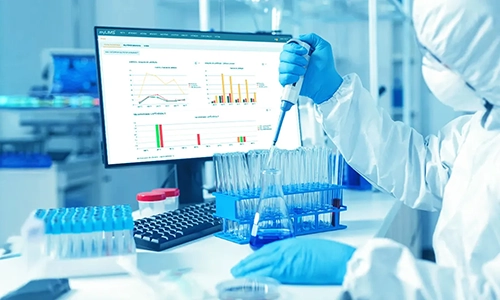
Manual records, sample mismanagement, and process inconsistencies are common lab errors that threaten quality and cause delays. A Laboratory Information Management System (LIMS) is essential for avoiding these issues. It digitizes records, standardizes workflows, automates sample tracking, and streamlines data management for easier compliance and audits.
[Read More]


