
In a rapidly evolving world driven by technology, laboratories are increasingly prioritizing mobility and remote access to data. LabLynx, a leading provider of laboratory information management systems (LIMS), is spearheading this shift by offering innovative solutions that empower teams to streamline workflows and maintain productivity from any location.
[Read More]

In today’s fast-paced scientific landscape, Laboratory Information Management Systems (LIMS) play a pivotal role in ensuring the efficiency and accuracy of laboratory operations. From biotech companies to environmental agencies, the use of a LIMS can significantly influence the workflow and overall productivity of a laboratory. However, as with any technology, the satisfaction levels can vary significantly among users. Are you truly happy with your current LIMS? This article explores various facets of LIMS satisfaction, helping you evaluate your system against industry benchmarks and personal expectations.
[Read More]
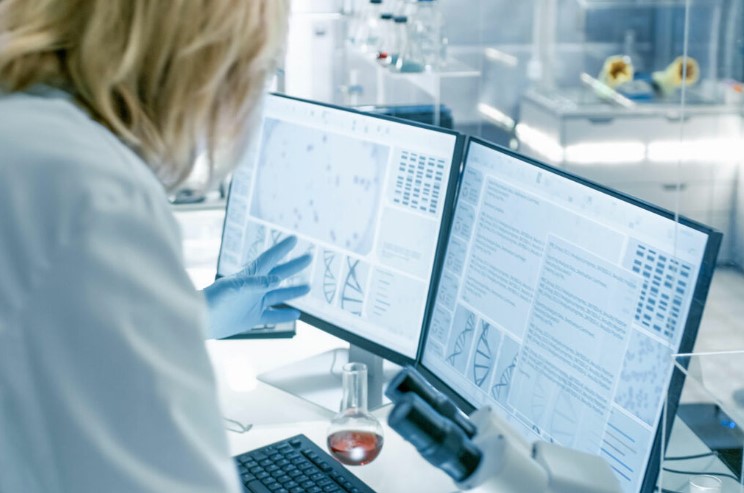
In drug discovery, artificial intelligence (AI) and machine learning (ML) technologies have significantly changed the way researchers analyze and interpret chemical data. From molecular modeling to predicting drug responses, AI-driven approaches offer opportunities to expedite the drug development process. To unlock the full potential of AI in drug discovery, however, it is imperative to lay a strong foundation with properly structured and high-quality chemical data. In this blog, we explore key strategies for preparing AI-ready chemical data and maximizing its utility in drug discovery endeavors.
[Read More]

Quality control (QC) testing is paramount in ensuring the efficacy and safety of therapeutic biologics. These complex molecules, derived from living organisms, require stringent testing to meet regulatory standards and ensure patient safety. While state-of-the-art molecular methods have been established, many laboratories still rely heavily on animal testing, using protocols developed in the 1970s. In November 2023, the International Council for Harmonisation (ICH) announced the adoption of guidelines encouraging the biopharmaceutical industry to adopt new standards in biologics QC, including next-generation sequencing (NGS)-based assays.
[Read More]
Cloud computing has transformed the way organisations and laboratories manage their
data, providing
online access and
storage that eliminates the need for local computer storage, especially recently. This innovation has been particularly beneficial for laboratories, offering a
secure,
scalable and
cost-effective solution for managing laboratory data. Let’s dive into AWS for LIMS (Laboratory Information Management Systems) together.
[Read More]

Last year, STARLIMS revealed momentous news in our 36+ year history. We announced the strategic acquisition of Labstep—and their cutting-edge Electronic Lab Notebook (ELN)—to expand our solution portfolio. Read below for answers to our most Frequently Asked Questions about the acquisition and what it means for STARLIMS—and your—future.
[Read More]

Clinical research involving human subjects is crucial for the development of new treatments, drugs, and therapies, but it must be conducted in an ethical manner that protects the rights and well-being of the participants. Informed consent is the cornerstone of ethical research, requiring that participants or donors are provided with sufficient information about the study to make an informed decision about whether to participate or not.
[Read More]

Clinical diagnostic labs ensure accurate and timely diagnostic information, aiding tailored treatments. During outbreaks, they swiftly identify pathogens, aiding containment and vaccination strategies. In research, they drive innovations in diagnostics and therapeutics, advancing personalized medicine. Additionally, they offer preventive health screenings, empowering proactive well-being management, from cholesterol to cancer screenings, promoting a healthier society.
[Read More]

Laboratory Information Management Systems (LIMS) are crucial in managing data, workflow processes, and reporting in modern laboratories. While Excel is a widely used tool for managing data due to its accessibility and ease of use, databases provide a more robust, scalable, and secure solution for laboratories that require efficient data management. This article will explore the key reasons why a database is a better choice than Excel for managing a LIMS.
[Read More]
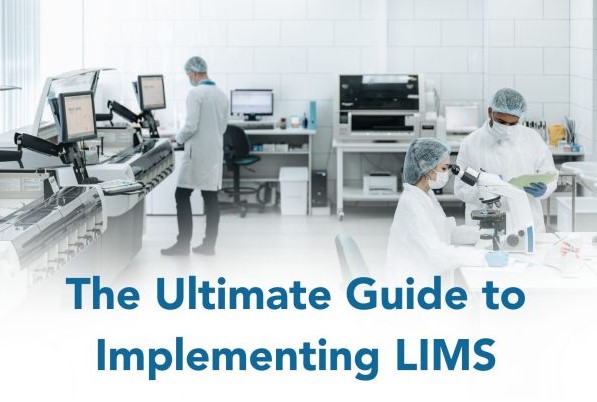
Implementing LIMS (Laboratory Information Management System) can be a game-changer, because there might be resistance and reluctance to the new routines which require significant adjustments. In this blog post, we will dive into implementing a LIMS to prevent the challenges beforehand. The laboratory management plays an important role here to support and encourage this transition.
[Read More]
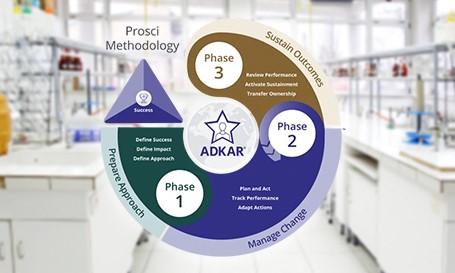
Laboratories and industries everywhere are realizing that technological innovations are moving at a rapid and ever-increasing pace. These technological initiatives require organizational change management (OCM) to ensure success. Some of these initiatives include the following: Cloud-based computing, Data lakes, Generative artificial intelligence, and Software as a Service (SaaS) laboratory information management systems (LIMS) with regular releases using the Agile methodology. Is your company prepared to face the associated OCM challenges of technological innovations?
[Read More]

In a manufacturing lab, an advanced laboratory information management system (LIMS) offers immediate data processing for quick decision-making, streamlined sample management for easy tracking and identification, and automated workflows to reduce errors and boost efficiency. Additionally, quality control, efficient inventory management, and data security measures like user authentication and audit trails enhance the value of a LIMS, boosting lab productivity, ensuring regulatory compliance, and improving overall operational quality.
[Read More]

An efficient laboratory assistant (embodied or digital) that supports good science is doing three crucial tasks exceptionally well: 1) tracking your monotonous functions like how long until something needs to be removed from the stir plate, 2) passive monitoring of stock and supplies to ensure no disruption will occur, and science can proceed on time, and 3) listening to your every word for insights and monitoring procedures for verification.
[Read More]

While the costs associated with a LIMS implementation may initially appear daunting, the long-term benefits far outweigh the expenses. By addressing key economic considerations such as project management, vendor fees, infrastructure investments, configuration, testing, and training, labs can unlock significant efficiencies and economic advantages. A well-executed LIMS is a strategic investment that modernizes lab operations and positions the lab for long-term success.
[Read More]
This blog will dive into the essential reasons why you should use laboratory software, particularly Laboratory Information Management Systems (LIMS). Laboratories of all sizes are turning to digital solutions to streamline their operations, enhance efficiency, and ensure compliance with regulatory standards.
[Read More]

Informatics systems like LIMS help streamline medical microbiology lab operations amidst evolving technological, microbiological, and economic landscapes. A LIMS is critical for managing complex workflows, preparing and tracking derivative specimens, interfacing with other systems, advanced result entry and reporting features, support for susceptibility testing and antibiograms, flexible public health reporting capabilities, and decision support systems.
[Read More]

While manual reporting is possible, it can be time-consuming and error-prone. A LIMS with automatic and customizable reporting features offers several benefits. The LabLynx ELab LIMS allows labs to generate reports automatically based on predefined templates and event triggers. Reports can also be customized to meet their needs, such as incorporating your lab’s logo and unique graphics, selecting the data fields to include, defining the layout, and choosing the output format.
[Read More]

Artificial Intelligence (AI) has been continuously integrated into the field of clinical research. A formerly time-consuming workflow has now been shifted into an efficient process with lowered cost, less labor and improved clinical trial outcomes. As society shifts into a technology and digital driven era, it is important to see how this can be leveraged within clinical trials. We will take a look at 3 prominent ways that AI has been streamlining the clinical trial process since the shift into the digital age. AI in clinical trials will continue to become a dominant theme among clinical technology and strategy professionals for the foreseeable future.
[Read More]

The promises of digital transformation for laboratories are significant. As well as enhanced processes for laboratory technicians and analysts, there’s a raft of broader business benefits too like remote working capabilities and better turnaround times. Start by building the foundations to do basics brilliantly, then accelerate your transformation with data-driven insights and emerging technologies including automation and artificial intelligence (AI) to streamline workflows and shift from a reactive to predictive quality assurance (QA).
[Read More]
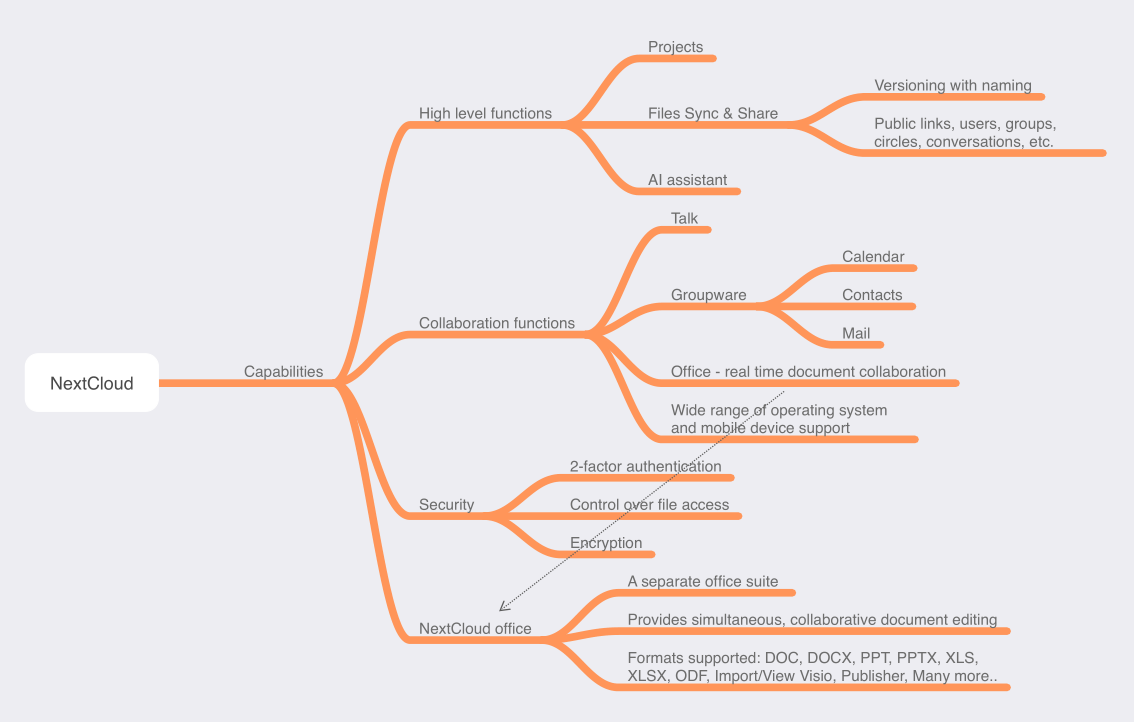
Nextcloud is a potentially useful solution to laboratory informatics. It removes the operating system from being a limiting factor in conducting lab work, provides levels of security missing in popular operating systems (except UNIX), and includes tools for personnel communications that could improve the ability of labs to carry out their work. However, it's likely best used in tandem with a system like a laboratory information management system (LIMS) and instrument data system (IDS). This article examines the current state of the open-source Nextcloud and how it could be applied to laboratory operations.
[Read More]


