Posted on August 10, 2023
By Corinne Jones
Newsletter
August 10, 2023 Laboratory Informatics Weekly Update Volume 22, Issue 31 In This Issue Featured Books Justifying LIMS Acquisition and Deployment within Your Organization Featured Content How LIMS Integration and Connectivity Benefit LabsLIMS are essential for managing data and information in modern laboratories. However, LIMS doesn't work in isolation in today's interconnected world. This article explores the importance of LIMS integration and connectivity and how it can benefit laboratories. The LabLynx LabVia family of products provides a pathway for the connectivity options available, including application programming interfaces (APIs) and data exchange protocols. [Read More] LIMS in DairyThe dynamic world…
Posted on August 9, 2023
By LabLynx
Blog

LIMS are essential for managing data and information in modern laboratories. However, LIMS doesn't work in isolation in today's interconnected world. This article explores the importance of LIMS integration and connectivity and how it can benefit laboratories. The LabLynx LabVia family of products provides a pathway for the connectivity options available, including application programming interfaces (APIs) and data exchange protocols.
[Read More]
Posted on August 9, 2023
By onQ Software
Blog

The dynamic world of dairy processing has faced continuous regulatory demands, compelling them to adhere to the most stringent food hygiene and safety standards. In this blog post, we dive into the significant role of LIMS in the dairy industry. We will be exploring how it enhances quality control, optimises processes, and contributes to delivery of the dairy products to consumers.
[Read More]
Posted on August 9, 2023
By Labbit
Blog

Clinical diagnostic laboratories can gain a significant advantage by ensuring their data conforms to FAIR principles - that is, data is easily
findable,
accessible,
interoperable, and
reusable. But many labs don’t recognize the importance of FAIR data or they find that implementing these principles is challenging. At Semaphore, we believe FAIR data sets forward-looking labs apart from their peers, giving them advantages when it comes to collaborating with other organizations and integrating new tools into their existing lab systems.
[Read More]
Posted on August 9, 2023
By LabLynx
Blog

World-wide, people are trying to find solutions to water scarcity and quality problems with innovations in research, product development and water treatment techniques. Water treatment labs are turning to modern laboratory information management system (LIMS) software, like the LabLynx ELab LIMS, to automate field sample collection, improve sample tracking, manage quality control, and generate reports.
[Read More]
Posted on August 7, 2023
By LabLynx
Journal articles
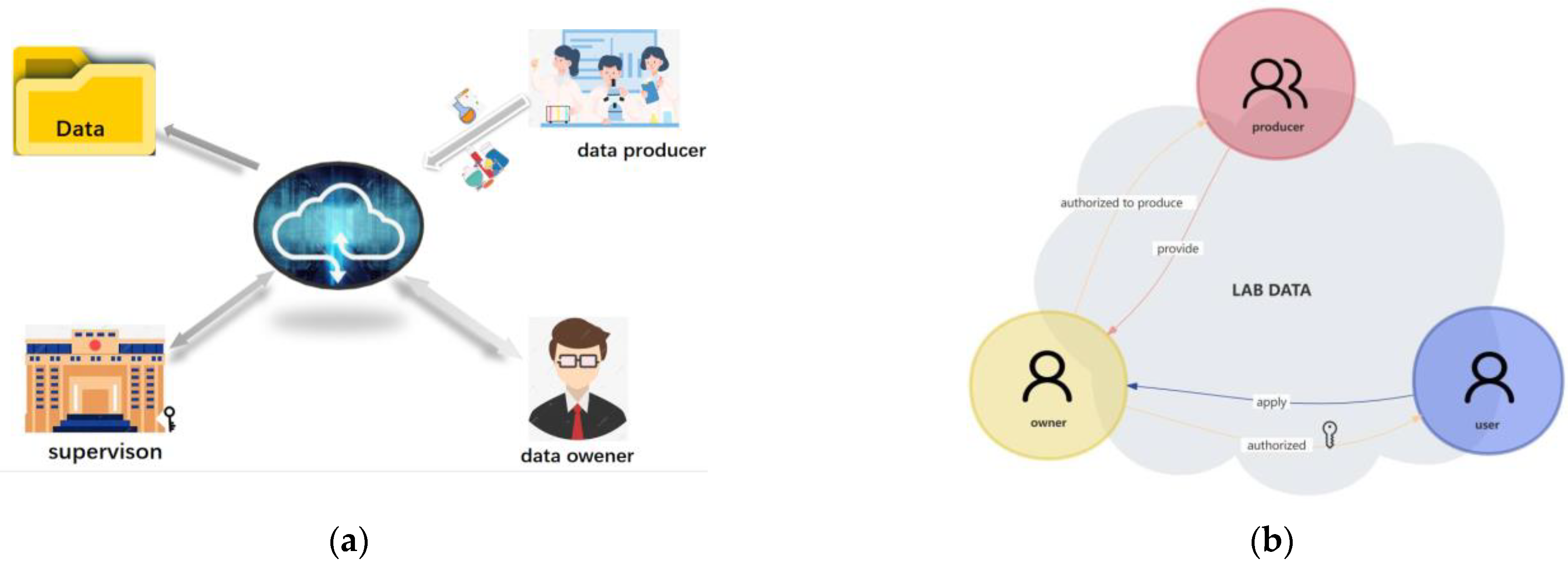
"Islands" of information and data that are dispersed across an organization irregularly can lead to inefficiencies in workflows and missed opportunities to improve or expand the organization. This statement also holds true for college and university laboratories, who equally must face down issues with untimely data, lackadaisical data security, and ownership-related issues. Zheng
et al. tackle this issue with their data-ownership-based security architecture, presented in this journal article published in
Electronics. After providing an introduction and related work, the authors provide in-depth details of the methodology used to develop their secure lab data management architecture, followed by example cases using four different algorithms to find the most suitable solution for authorized encryption and decryption of shared data across the proposed system., which allows "relevant units, universities, and laboratories to encrypt data with public keys and upload them to the data register center to form a data directory." They conclude "that the proposed strategy is secure and efficient for lab data sharing across [multiple] domains."
Posted on August 3, 2023
By Corinne Jones
Newsletter
August 3, 2023 Laboratory Informatics Weekly Update Volume 21, Issue 31 In This Issue Featured Books Justifying LIMS Acquisition and Deployment within Your Organization Featured Content Moving Beyond the Happy Path: 5 Key Considerations for a Successful LIMS ImplementationLabs that are implementing a laboratory information management system (LIMS) generally start with “happy path” use cases. These ideal or expected workflows represent the most efficient, smoothest route to complete a task. But a system that only meets these straightforward requirements will quickly run into trouble in a production environment. Experienced LIMS implementers know it’s also critical to support unexpected events.…
Posted on August 2, 2023
By Labbit
Blog

Labs that are implementing a laboratory information management system (LIMS) generally start with “happy path” use cases. These ideal or expected workflows represent the most efficient, smoothest route to complete a task. But a system that only meets these straightforward requirements will quickly run into trouble in a production environment. Experienced LIMS implementers know it’s also critical to support unexpected events.
[Read More]
Posted on August 2, 2023
By LabLynx
Blog

Laboratory information management systems (LIMS) are essential for managing data and information in modern laboratories. However, LIMS doesn't work in isolation, it needs to communicate with other systems, such as laboratory instruments, manufacturing and production systems, electronic health records (EHRs), and other software applications. The LabLynx LabVia family of products provides a pathway for LIMS integrations and connectivity, both physical and programming.
[Read More]
Posted on August 2, 2023
By CSols Inc.
Blog

If you’re reading this blog post, you’ve already reached the conclusion that you need to simplify your informatics footprint. We know that maintenance of the different systems and instances can grow out of control and be a logistical nightmare. Not to mention the siloed information within those systems that hold your organization back from making the best business decisions. So, consolidation of your laboratory information management system (LIMS) technologies seems like the best solution.
[Read More]
Posted on August 2, 2023
By LIMS Wizards
Blog

A secure sample collection process is essential for accurate results and maintaining quality control in any lab. Implementing a secure chain of custody features can have a wide range of benefits for laboratories and research institutions. Chains of custody are intended to document the steps that samples are subjected to, and who performed those steps, from the start of a project through the development and reporting of the findings related to that sample.
[Read More]
Posted on August 2, 2023
By LabLynx
Blog

Planning for product replacement is part of laboratory management and this article discusses the advantages and disadvantages of using what some would call out of date software. Effective planning for product life cycles and the use of informatics tools like a LIMS can keep valuable data available for use and protect your lab's budget from unexpected expenditures.
[Read More]





