Posted on August 23, 2023
By Labbit
Blog

Cloud-based laboratory information management systems (LIMS) are highly scalable and conveniently accessible. They handle automatic updates and patches so that the software is always current. Plus, they provide state-of-the-art security to ensure sensitive patient data doesn’t fall into the wrong hands. However, because labs operate in a sector where patient privacy is paramount, many hesitate to transition to the cloud.
[Read More]
Posted on August 23, 2023
By onQ Software
Blog

In a world where laboratory processes are becoming increasingly complex, the need for efficient management systems has never been greater. Configuring a Laboratory Information Management System (
LIMS) involves tailoring the software to your specific needs without extensive and resource-intensive customisation. This approach not only speeds up implementation but also ensures the
sustainability of your lab.
[Read More]
Posted on August 23, 2023
By LabLynx
Blog

Until now, knowing when a whiskey has been aged to its peak has been a somewhat subjective, labor-intensive, and expensive process. But a research team from the University of Glasgow in Scotland, in a six-year study, has developed a way to use tiny amounts of gold to determine whether maturing whiskeys are ready to bottle or blend. Testing product samples, like whiskey, to ensure quality and consistency, is more efficient with a LIMS than paper or spreadsheets.
[Read More]
Posted on August 21, 2023
By LabLynx
Journal articles
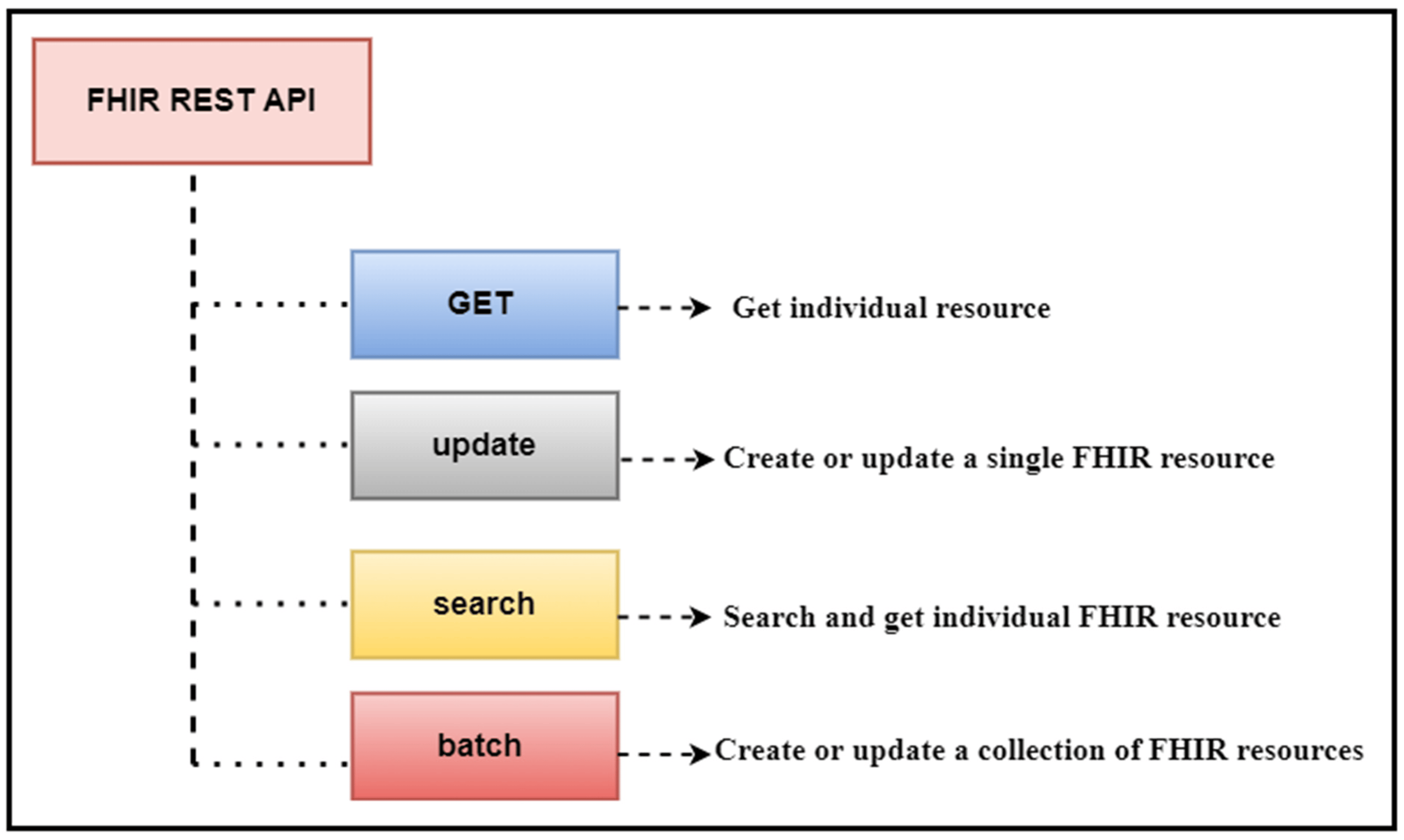
In this 2023 journal article published in
Healthcare, Ayaz
et al. present their work on a "data analytic framework that supports clinical statistics and analysis by leveraging ... Fast Healthcare Interoperability Resources (FHIR)." After providing significant background on the topic, as well as a review of the literature on the topic, the authors discuss the initial preparations that went into developing their framework, followed by the results of their implementation. The authors also present a two-part example with use cases that puts the framework to a test. After discussing the limitations and results of their framework, the authors conclude that it effectively "empowers healthcare users (patients, practitioners, healthcare providers, etc.) to perform advanced data analysis on patient data used in healthcare settings and represented in the FHIR-based standard."
Posted on August 17, 2023
By Corinne Jones
Newsletter
August 17, 2023 Laboratory Informatics Weekly Update Volume 22, Issue 33 In This Issue Featured Books Choosing and Implementing a Cloud-based Service for Your Laboratory Featured Content Myths of LIMS - Debunked (Part 1)After 35 years in the Laboratory Informatics business Autoscribe Informatics have addressed multiple myths and misconceptions concerning laboratory information management systems (LIMS) and their implementation. Few of these hold water but may deter potential users who have much to gain from a well implemented LIMS solution. This two-part blog (part 2 here) addresses many of the most common myths and misunderstandings we have come across. [Read…
Posted on August 16, 2023
By Autoscribe Informatics Inc.
Blog
A

fter 35 years in the Laboratory Informatics business Autoscribe Informatics have addressed multiple myths and misconceptions concerning laboratory information management systems (LIMS) and their implementation. Few of these hold water but may deter potential users who have much to gain from a well implemented LIMS solution. This two-part blog (
part 2 here) addresses many of the most common myths and misunderstandings we have come across.
[Read More]
Posted on August 16, 2023
By LabLynx
Blog

When evaluating a laboratory information management system (LIMS) solution, you should consider several key features. Here are 20 critical features to look for. Remember that these features may vary depending on your specific laboratory requirements. Therefore, prioritize the elements most critical to your laboratory’s needs and make sure that the LIMS solution aligns with your long-term goals.
[Read More]
Posted on August 16, 2023
By Clinisys
Blog

How do you define success for a laboratory information management system (LIMS) implementation? No different than other software implementations, you might say an implementation is successful if it’s on time, on budget, and delivers the necessary features. However, at the end of the day, there is an even more important question—did you improve operations?
[Read More]
Posted on August 16, 2023
By Autoscribe Informatics Inc.
Blog

Sharing LIMS misconceptions helps us focus on what is possible, and what is important for ‘our’ LIMS. Not all LIMS are the same so don’t be afraid to ask the ‘why’ question. Why is your LIMS different? Why is it designed like that? In
part 1 we discussed myths around industry specific solutions, building LIMS in-house, and the (head office controlled) global roll-out. Part 2 provides more food for thought which we hope will help you choose the right LIMS to suit your needs.
[Read More]
Posted on August 16, 2023
By LabLynx
Blog

Pulp and paper manufacturing is a sophisticated production environment that depends heavily on laboratory testing to both monitor production and help ensure product quality. Through its workflow management, results management, audit trail, and regulatory support functionality, a LIMS system, especially the ELab LIMS from LabLynx, can provide the support pulp and paper companies need to streamline lab operations and make it easier to produce, manage, access, and utilize lab data and information while reducing labor costs.
[Read More]
Posted on August 16, 2023
By onQ Software
Blog

The Netherlands is known for its progressive approach to technology and innovation. The Dutch LIMS market is expected to grow at a steady pace and in the meantime renew their existing LIMS to one of the Next Generation. Therefore we had decided to bring our market-leading LIMS solution,
QLIMS, to Europe.
[Read More]
Posted on August 14, 2023
By LabLynx
Journal articles
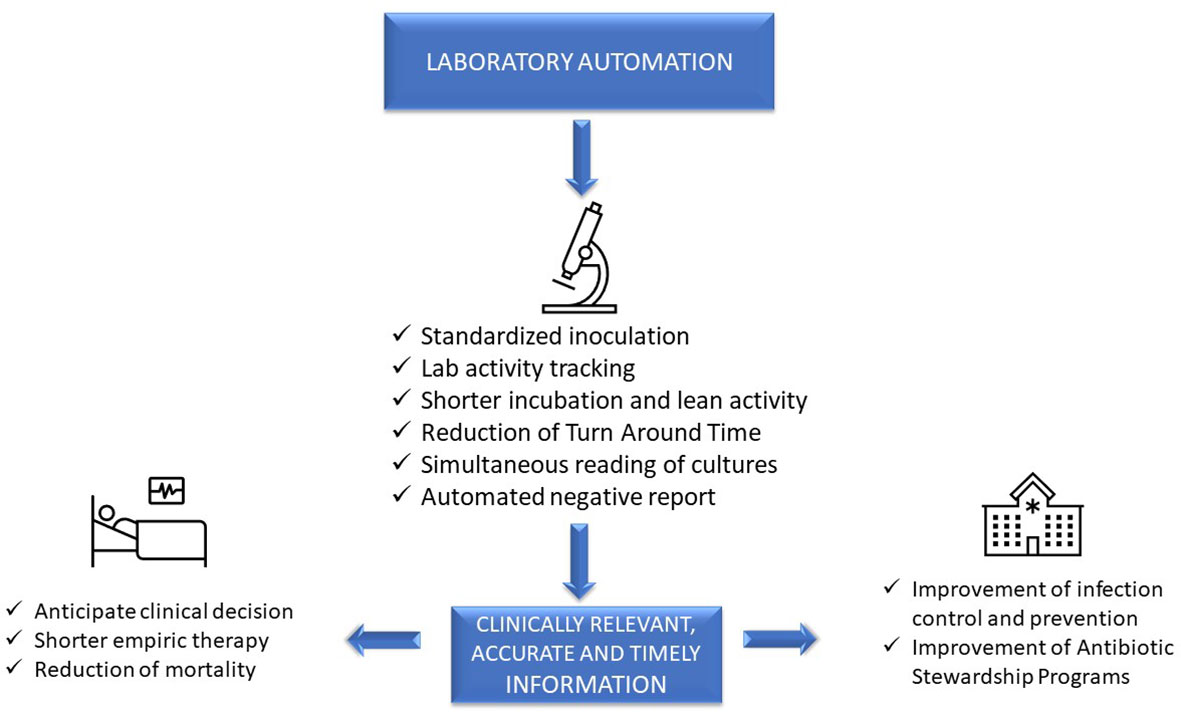
In this 2023 journal article published in
Frontiers in Cellular and Infection Microbiology, Mencacci
et al. examine laboratory automation requirements and demands within the context of clinical microbiology laboratories. Using concepts from “total laboratory automation” (TLA), artificial intelligence (AI), and clinical laboratory informatics, the authors address not only the impact of these technologies on laboratory management and workflows but also on patients and hospital systems. Discussion of the state of the art leads the authors to note that the "implementation of laboratory automation and laboratory informatics can support integration into routine practice monitoring specimens’ quality, isolation of specific pathogens, alert reports for infection control practitioners, and real-time collection of lab trend data, all essential for the prevention and control of infections and epidemiological studies." The authors conclude that "prioritizing laboratory practices in a patient-oriented approach can be used to optimize technology advances for improved patient care."





