Posted on September 4, 2018
By Shawn Douglas
Journal articles
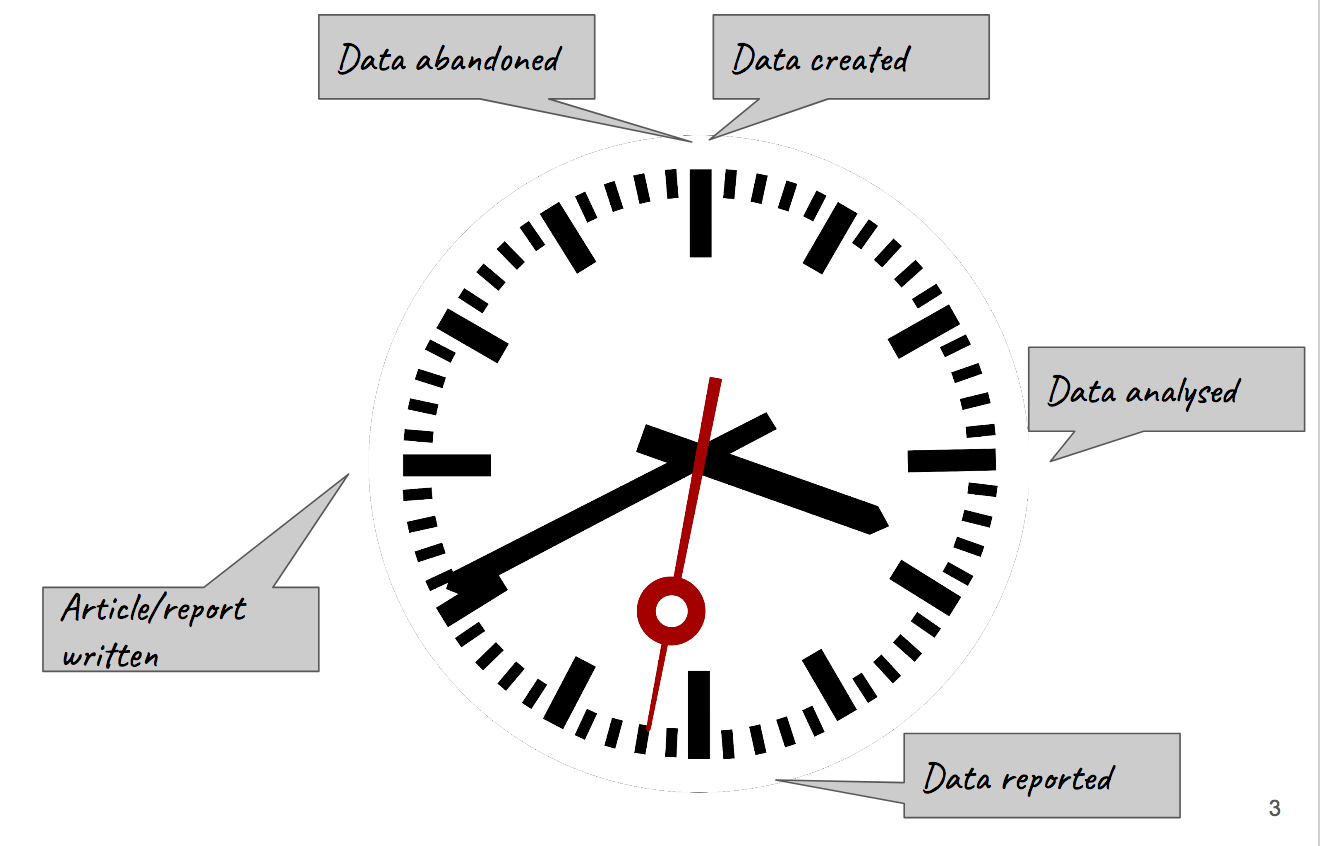
In this 2018 paper by Irawan and Rachmi, a proposed research data management plan (RDMP) for the university ecosystem is proposed. After introducing the concept of an RDMP and the layout, the authors describe seven major components to their plan, in the form of an assessment form: data collection; documentation and metadata; storage and backup; preservation; sharing and re-use; responsibilities and resources; and ethics and legal compliance. They conclude that the assessment form can help researchers "to describe the setting of their research and data management requirements from a potential funder ... [and] also develop a more detailed RDMP to cater to a specific project's environment."
Posted on August 29, 2018
By Apollo LIMS
Blog
Our last blog talked about making your laboratory results report readable and informative, but how do you make sure it is still unique to your laboratory?
Posted on August 29, 2018
By Astrix Technology Group
Blog

The digital revolution is rapidly changing the landscape for scientific laboratories. Digital technologies like the internet of things (IoT) and cloud storage are allowing companies to generate and store more data than ever before. Yet, with the arrival of big data, the volume and complexity of data in modern laboratories can make managing this critical asset extremely challenging. Towards this end, Laboratory information management systems (LIMS) have become an invaluable tool in modern scientific laboratories for effective data management.
Posted on August 29, 2018
By Genohm
Blog
In the last few years, Next Generation Sequencing instruments and bioinformatics software have undergone tremendous progress. However, to get the most out of those revolutionary advances, NGS labs need one more tool. A LIMS automates lab work to maximize efficiency and minimize errors, ensures the quality of each sample’s metadata for secondary and tertiary analysis, is flexible enough to cope with the constant evolutions of lab workflows, and finally, allows the user to monitor and improve the quality and efficiency of the lab process.
Posted on August 29, 2018
By John Jones
Newsletter
August 29, 2018 Laboratory Informatics Weekly Update Volume 16, Issue 35 In This Issue Upcoming Webinars 09/04/2018 - Free LABTrack Webinar - Justifying an ELN09/05/2018 - Join LABTrack for a Free On-Line Webinar: KPI’s Point the Way Journal Articles systemPipeR: NGS workflow and report generation environmentIn this 2016 paper published in BMC Bioinformatics, Backman and Girke discuss the R/Bioconductor package systemPipeR. Recognizing that the analysis of next-generation sequencing (NGS) data remains a significant challange, the authors turned to the R programming language and the Bioconductor environment to make workflows that were "time-efficient and reproducible." After giving some background and…
Posted on August 27, 2018
By Shawn Douglas
Journal articles
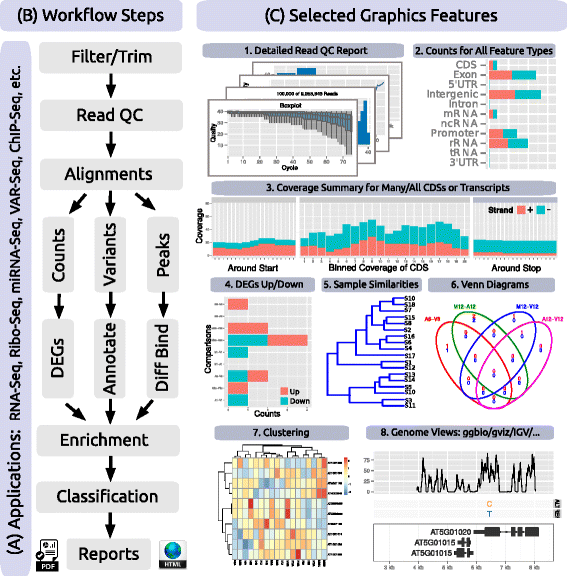
In this 2016 paper published in
BMC Bioinformatics, Backman and Girke discuss the R/Bioconductor package systemPipeR. Recognizing that the analysis of next-generation sequencing (NGS) data remains a significant challange, the authors turned to the R programming language and the Bioconductor environment to make workflows that were "time-efficient and reproducible." After giving some background and then discussing the development and implementation, they conclude that systemPipeR helps researchers "reduce the complexity and time required to translate NGS data into interpretable research results, while a built-in reporting feature improves reproducibility."
Posted on August 22, 2018
By CSols Inc.
Blog

Our
previous blog on debunking LIMS and LIMS consulting myths proved to be a very popular blog. With that in mind, we have gathered here five more prevalent LIMS myths to be discussed. As before, while there may be a small kernel of truth to some of these, for the most part these statements do not hold water. So, without further ado, let’s take a look at these LIMS myths and get to the busting!
Posted on August 22, 2018
By John Jones
Newsletter
August 22, 2018 Laboratory Informatics Weekly Update Volume 16, Issue 34 In This Issue Upcoming Webinars 08/28/2018 - Astrix Webinar – Ensuring Successful LIMS Selection for Scientific Laboratories08/29/2018 - Free LABTrack Webinar – Implementing a LIMS08/30/2018 - Free LABTrack Webinar - Justifying an ELN Journal Articles A data quality strategy to enable FAIR, programmatic access across large, diverse data collections for high performance data analysisA data quality strategy (DQS) is useful for researchers, organizations, and others, primarily because it allows them "to establish a level of assurance, and hence confidence, for [their] user community and key stakeholders as an…
Posted on August 20, 2018
By Shawn Douglas
Journal articles
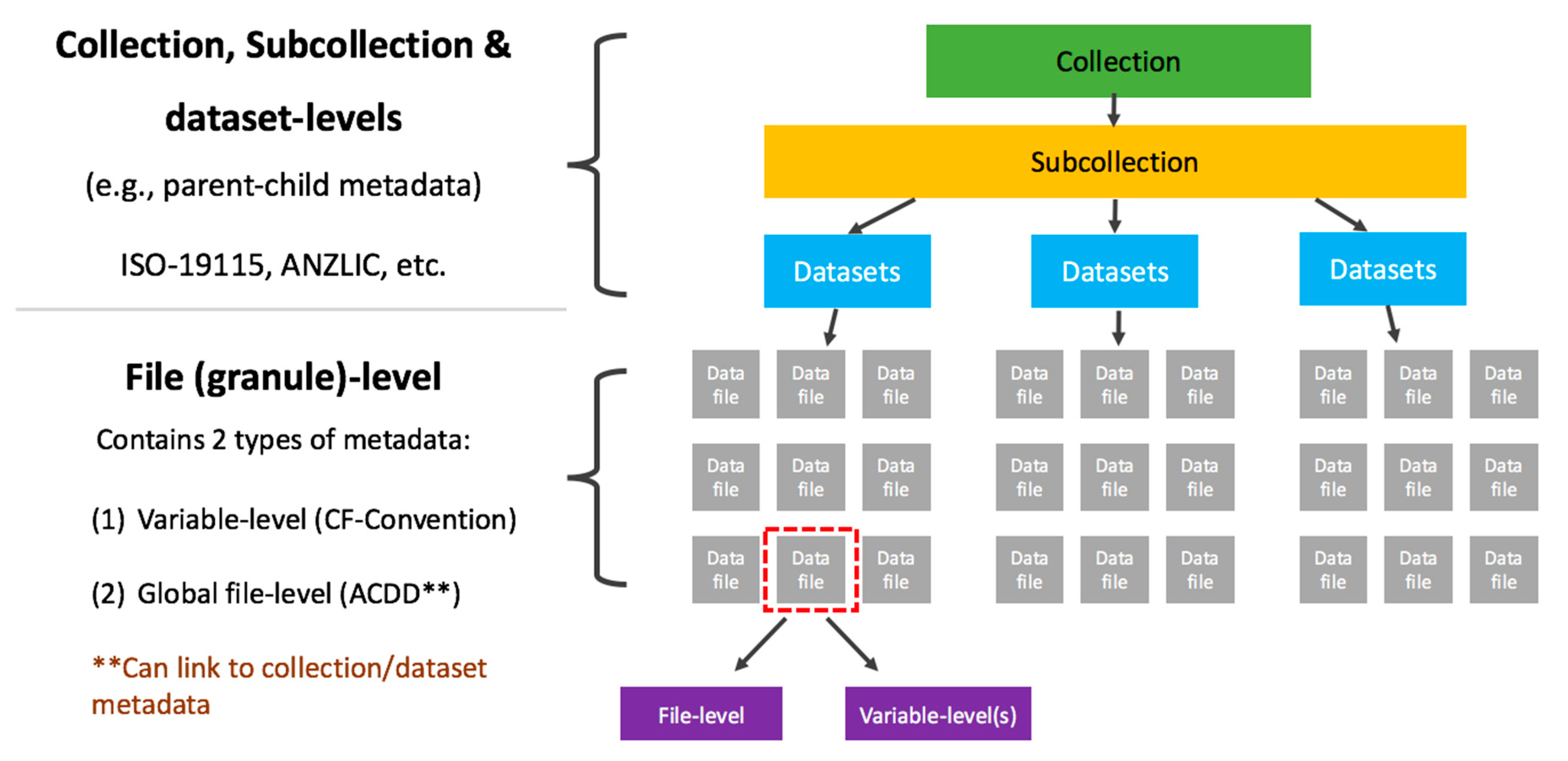
A data quality strategy (DQS) is useful for researchers, organizations, and others, primarily because it allows them "to establish a level of assurance, and hence confidence, for [their] user community and key stakeholders as an integral part of service provision." Evans
et al. of the Australian National University, recognizing this importance, discuss the implementation of their DQS at the Australian National Computational Infrastructure (NCI), detailing their strategy and providing examples in this 2017 paper. They conclude that "[a]pplying the DQS means that scientists spend less time reformatting and wrangling the data to make it suitable for use by their applications and workflows—especially if their applications can read standardized interfaces."
Posted on August 15, 2018
By Astrix Technology Group
Blog
Computer system validation (CSV) is a documented process which helps to ensure that both new and existing computer systems consistently fulfill their intended purpose and produce
accurate and reliable data. Most regulatory agencies around the world require validation of computer systems to ensure product safety and effectiveness. The software implementation and development team typically conducts
CSV processes on the system being installed/updated to eliminate any software bugs and make sure the system meets specifications.
[Read More]
Posted on August 15, 2018
By John Jones
Newsletter
August 15, 2018 Laboratory Informatics Weekly Update Volume 16, Issue 33 In This Issue Upcoming Webinars 08/21/2018 - Join LABTrack for a Free On-Line Webinar: KPI’s Point the Way08/22/2018 - Webinar: Overcoming Critical LabWare Code Management Challenges08/28/2018 - Astrix Webinar – Ensuring Successful LIMS Selection for Scientific Laboratories Journal Articles How big data, comparative effectiveness research, and rapid-learning health care systems can transform patient care in radiation oncologyIn this brief opinion article published in Frontiers in Oncology, Sanders and Showalter turn their thoughts to the rapid-learning health care system (RLHCS), a concept that involves analyzing patient data to make…
Posted on August 13, 2018
By Shawn Douglas
Journal articles
In this brief opinion article published in
Frontiers in Oncology, Sanders and Showalter turn their thoughts to the rapid-learning health care system (RLHCS), a concept that involves analyzing patient data to make insights in how to improve patient safety, treatment quality, and cost-effectiveness within the health care framework. In combination with comparative effectiveness research (CER) and well-managed big data streams, the RLHCS has the power "to accelerate discovery and the future of individualized radiation treatment planning," they argue. They conclude that big data can "connect a broad range of characteristics to accelerate evidence generation and inform personalized decision-making," and its application through CER and the RLHCS can "accelerate progress in cancer care."





