Posted on June 5, 2024
By LabLynx
Blog

LabLynx LIMS is a Laboratory Information Management System (LIMS) that incorporates AI to improve laboratory operations. However, LabLynx prioritizes AI safety and ethics by ensuring data accuracy, privacy, and fairness. Their LIMS offers features like customizable AI solutions and user-friendly interface to make AI accessible and trustworthy in labs.
[Read More]
Posted on June 4, 2024
By LabLynx
Journal articles
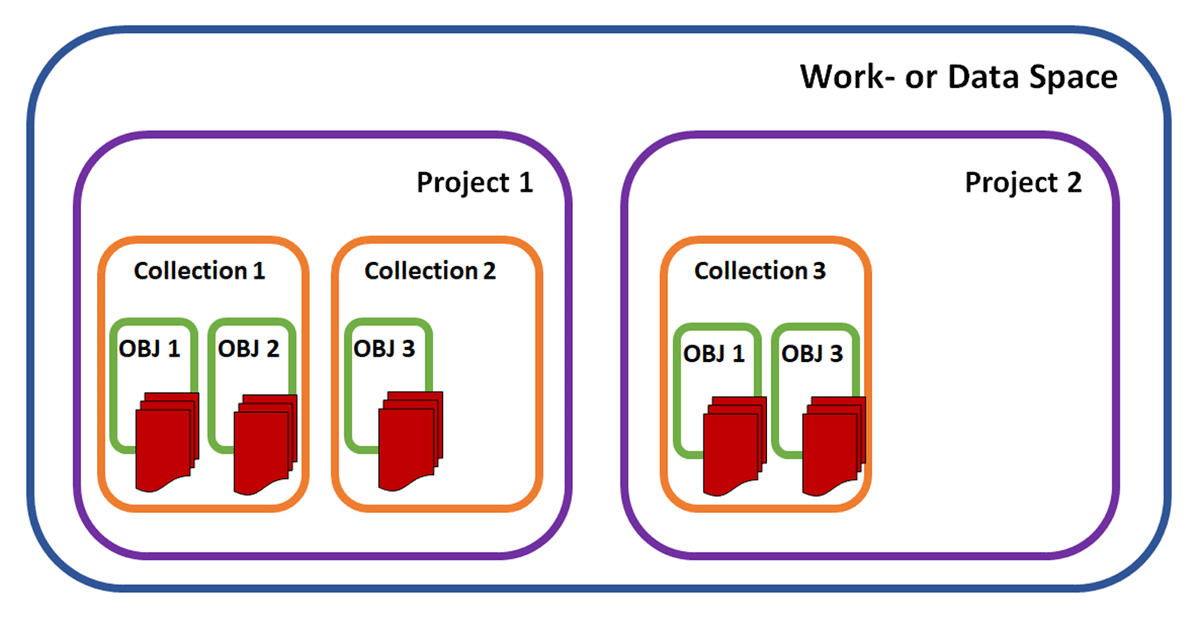
As the ramifications of the FAIR data principles of Wilkinson
et al. continue to shape how academic (and industrial) research is performed, it's inevitable that the information management systems used in these research contexts will be scrutinized under those same FAIR data principles. In this case, Plass
et al. of FAU Erlangen-Nürnberg describe how they landed upon the open-source electronic laboratory notebook (ELN) and laboratory information management system (LIMS) solution openBIS to address FAIR data management in their multidisciplinary Collaborative Research Centre (CRC). After discussing the current state of research data management (RDM), the authors go into the specifics of their implementation of openBIS, the adjustments they made to the system to address their information management needs, and the experiences they had using the modified system. They ultimately conclude that "this ELN-LIMS could serve as a template solution for other similarly structured collaborative research centers or research groups" given the benefits they saw with their modified version.
Posted on May 30, 2024
By Corinne Jones
Newsletter
May 30, 2024 Laboratory Informatics Weekly Update Volume 22, Issue 22 In This Issue Featured Books LIMS Selection Guide for Food Safety and Quality Featured Content Animal Feed Quality Control Testing: Ensuring Safety & Nutrition Throughout the Food ChainLaboratory testing is crucial for maintaining the safety and nutritional value of animal feed throughout the food chain. Labs leverage Laboratory Information Management Systems (LIMS) to enhance traceability and efficiency, meeting regulatory standards and consumer demands. From production to R&D and public health, this article explores the diverse roles of feed testing labs and the specialized LIMS features they require. [Read…
Posted on May 29, 2024
By LabLynx
Blog

Laboratory testing is crucial for maintaining the safety and nutritional value of animal feed throughout the food chain. Labs leverage Laboratory Information Management Systems (LIMS) to enhance traceability and efficiency, meeting regulatory standards and consumer demands. From production to R&D and public health, this article explores the diverse roles of feed testing labs and the specialized LIMS features they require.
[Read More]
Posted on May 29, 2024
By LIMS Wizards
Blog

All digital transformations need to start somewhere. It’s often recommended to start small when making a change of this magnitude. LabTwin, the voice-powered and AI-enabled digital laboratory assistant, is a good choice for beginning your digital transformation. It’s a low-cost solution with little-to-no down-time for implementation and a rapid learning curve. Despite its ease of deployment, it makes an outsize impact on daily operations through the transformational change that comes with a digital lab assistant.
[Read More]
Posted on May 29, 2024
By STARLIMS Corporation
Blog

Laboratory information management plays a vital role in the accuracy and reliability of testing results. Since the bygone days of spreadsheets and filing systems, laboratory technology has advanced significantly. Labs today supply researchers and technicians with sophisticated digital tools that support them throughout the testing process, from sample processing to results reporting. Which is the appropriate laboratory information software for your lab?
[Read More]
Posted on May 29, 2024
By Sapio Sciences
Blog

Human errors, poor productivity and inefficient collaboration between team members in a laboratory can cause serious issues. Luckily, with the help of modern technology, barcoding offers a solution. These barcodes can easily be printed in the form of a sticker and used to label various items inside your lab. However, it’s important to understand the function and benefits of this strategy within laboratory workflows.
[Read More]
Posted on May 29, 2024
By onQ Software
Blog

In recent years, the
medical cannabis industry has experienced significant growth and acceptance worldwide. With this growth comes the need for robust and efficient systems to manage the complex processes involved in cannabis cultivation, processing, and distribution. This is where Laboratory Information Management Systems (
LIMS) play a crucial role. In this blog post, we will dive into the LIMS in the Medical Cannabis industry together. LIMS in the medical cannabis industry serve as a comprehensive solution for managing laboratory workflows, data, and compliance requirements.
[Read More]
Posted on May 29, 2024
By LabLynx
Blog

Enhance your lab's efficiency and data integrity with the powerful integration of Laboratory Execution Systems (LES) and Electronic Lab Notebooks (ELN) offered by LabLynx LIMS. This comprehensive solution streamlines workflows, ensures compliance, and improves collaboration within your laboratory environment.
[Read More]
Posted on May 26, 2024
By LabLynx
Journal articles
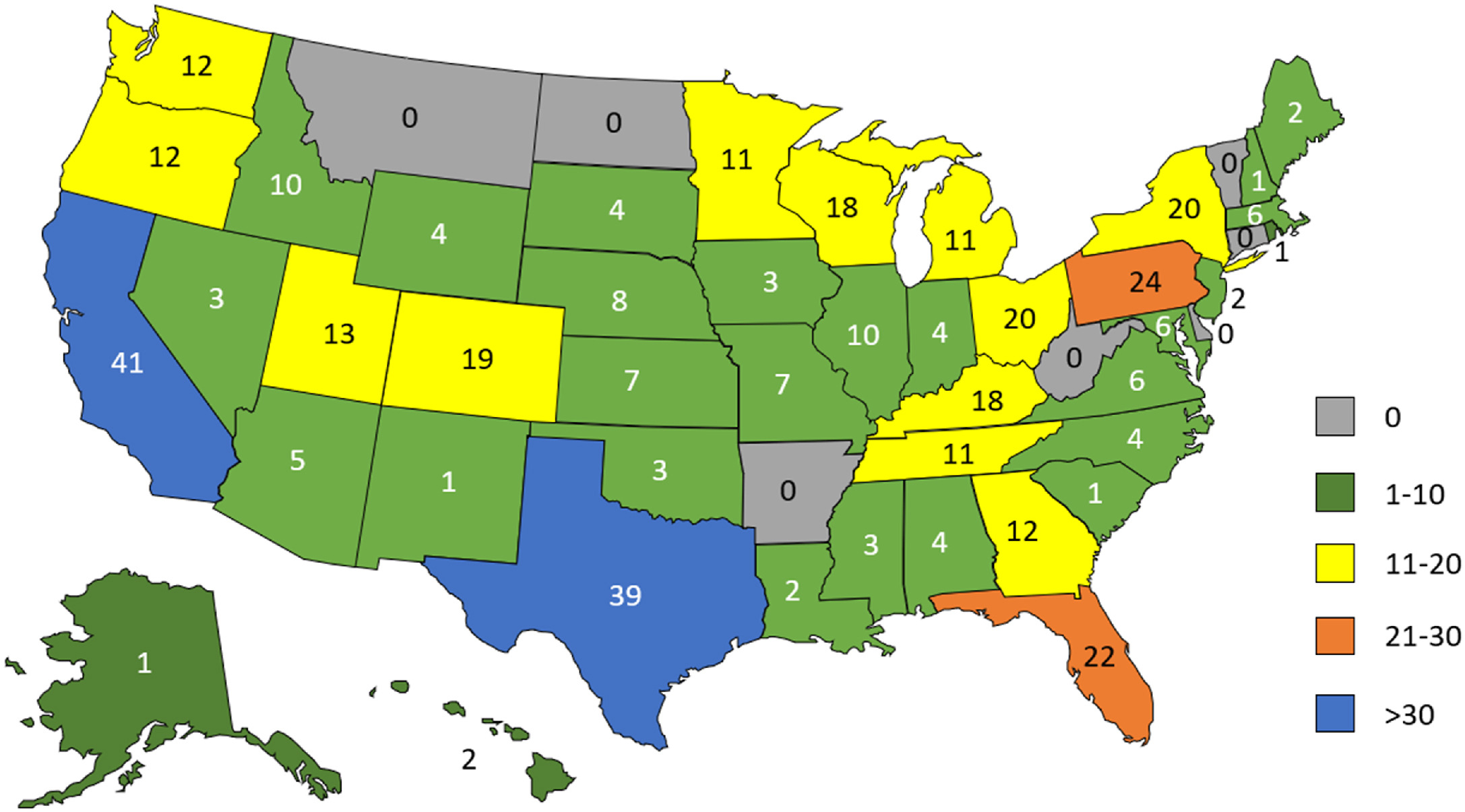
In this "in press" journal article published in
Practical Laboratory Medicine, Smith
et al. of ARUP Laboratories provide the results of a survey conducted just prior to the U.S. Food and Drug Administration's (FDA's) April 29 release of their final rule on laboratory-developed tests (LDTs). Polling a select group of its clinical laboratory customers, the authors sought to discover clinical laboratorians' opinions about the then proposed changes to regulate LDTs as medical devices. The survey was conducted in part due to a set of perceived FDA shortcomings that would make it "difficult for the FDA to conduct an accurate quantitative analysis of public opinion in a key sector directly impacted by its proposed rule." The authors describe the structure of their survey and its associated analytical methods before discussing the results. They then provides a full discussion with a brief conclusion: "The majority of clinical laboratorians surveyed do not support the FDA’s proposed rule on LDTs and report having insufficient resources to comply with the rule if it is enacted," and that the FDA had more work to do "to better understand the negative impacts of the proposed rule."
Posted on May 23, 2024
By Corinne Jones
Newsletter
May 23, 2024 Laboratory Informatics Weekly Update Volume 22, Issue 21 In This Issue Featured Books The Complete Guide to LIMS and Laboratory Informatics - 2024 Edition Featured Content Simplifying LIMS Test Maintenance AdminGrouping Tests to Minimize Test Maintenance Admin Overheads in a LIMS. In this case we talk about grouping tests within QC testing for furniture, but this same grouping methodology can be applied to any industry. Analytical testing plays a key role in ensuring the safety of consumer and other products and is therefore vital for both the manufacturers and users of those products. The need for…
Posted on May 22, 2024
By Sapio Sciences
Blog

Depending on your organization’s role in either biotechnology or drug discovery research, Good Laboratory Practices (GLPs) are the minimum standards used for benchmarking the proper conduct of animal safety studies, in a nonclinical environment, applying both in vivo and in vitro testing. GLPs provide a foundation for conducting well-controlled studies that can assure the quality and integrity of any data generated in the laboratory that may be used for future research studies or regulatory submissions. Not only do GLP regulations help ensure the quality of data, but they can also help to form a framework for facilitating study reconstruction when data is found favorable to moving forward with research on a new drug substance or product.
[Read More]





