Posted on April 10, 2019
By John Jones
Newsletter
April 10, 2019 Laboratory Informatics Weekly Update Volume 17, Issue 15 In This Issue Upcoming Webinars 04/17/2019 - Webinar: Implementation and Deployment of ELN in R&D Environments: Key factors for Success04/24/2019 - Webinar: Data Analytics and IT as Enablers of Lab Improvement Journal Articles Cyberbiosecurity: A new perspective on protecting U.S. food and agricultural systemWe know that the research process creates data, and data is increasingly valuable. But can we visualize all the nooks and crannies that data is coming from in a more technologically connected society? Take for instance the food and agriculture sectors, influencing more than 20…
Posted on April 9, 2019
By Shawn Douglas
Journal articles
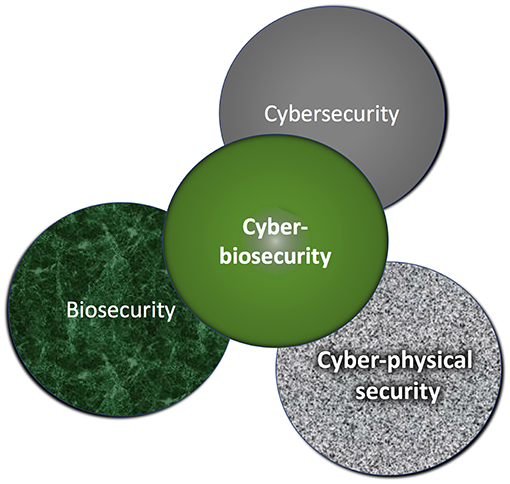
We know that the research process creates data, and data is increasingly valuable. But can we visualize all the nooks and crannies that data is coming from in a more technologically connected society? Take for instance the food and agriculture sectors, influencing more than 20 percent of the U.S. economy. Herd data records for the dairy industry, pedigree information for the food animal industry, and soil and machine condition data from row crop farmers are only a few examples of data sources in the sectors. But what of the security of that data? Duncan
et al. take a brief look at these sectors and provide insight into the ways that cybersecurity, biosecurity, and their intersections are increasingly important. The conclude by making suggestions for "[w]orkforce development, effective communication strategies, and cooperation across sectors and industries" to better "increase support and compliance, reducing the risks and providing increased protection for the U.S. bioeconomy."
Posted on April 3, 2019
By Autoscribe Informatics Inc.
Blog

PITTCON celebrated its 70
th year this year making it one of the oldest laboratory shows and still one of the largest US exhibitions we attend. The 2019 format, held at the Philadelphia Convention Center, was similar to last year with a five-day technical program and a three-day exhibition. Many US Labs, large and small, find PITTCON a great place to research LIMS. They are able to compare the main vendors in-depth over the course of the three days and get to understand them enough to make some initial choices and guide their future decisions over user requirements. Unlike in previous years there was no “Informatics” section, so those doing the research had to search out the LIMS vendors from the exhibitors.
Posted on April 3, 2019
By Corinne Jones
News
LabTwin GmbH, an independent company backed by Boston Consulting Group Digital Ventures (BCG Digital Ventures) and leading biopharma supplier, Sartorius, today announced the launch of the world’s first voice and AI-powered digital lab assistant. Scientists can take notes, capture data, create supply lists and set timers or reminders from anywhere in the lab just by talking to LabTwin.
Posted on April 3, 2019
By John Jones
Newsletter
April 3, 2019 Laboratory Informatics Weekly Update Volume 17, Issue 14 In This Issue Upcoming Webinars 04/10/2019 - Webinar: Cloud-Based Identity: Maximize Security, Minimize Impact on Resources04/17/2019 - Webinar: Implementation and Deployment of ELN in R&D Environments: Key factors for Success04/24/2019 - Webinar: Data Analytics and IT as Enablers of Lab Improvement Journal Articles DAQUA-MASS: An ISO 8000-61-based data quality management methodology for sensor dataIn this 2018 paper published in Sensors, Perez-Castillo et al. present DAQUA-MASS, their own take on the ISO 8000-61 data quality standard but updated for the world of the internet of things and smart, connected…
Posted on April 2, 2019
By Shawn Douglas
Journal articles
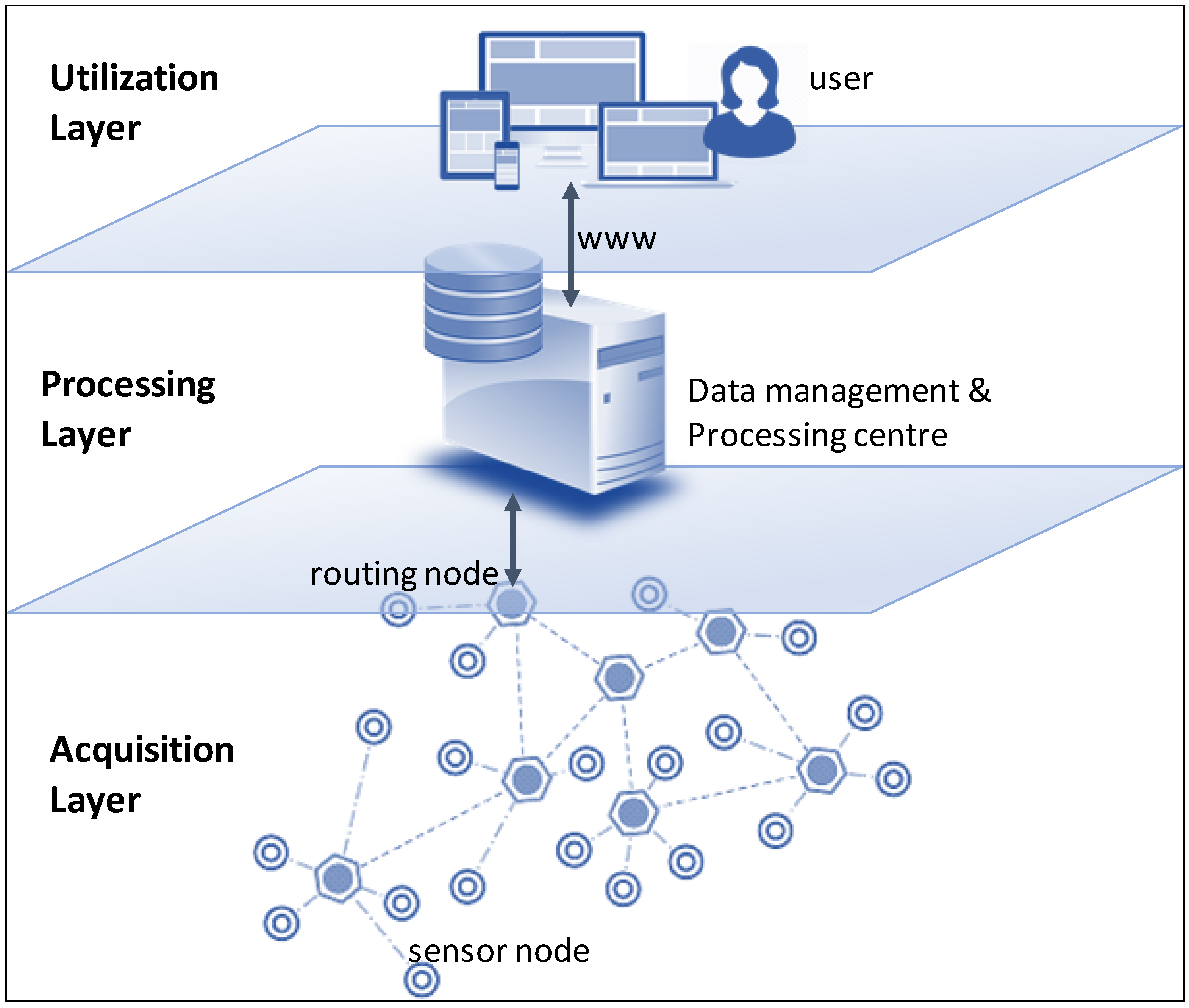
In this 2018 paper published in
Sensors, Perez-Castillo
et al. present DAQUA-MASS, their own take on the ISO 8000-61 data quality standard but updated for the world of the internet of things and smart, connected products (SCPs), in particular sensor networks. While recognizing that data quality has been studied significantly over the decades, little work has gone into the formal policies for SCP and sensor data quality. After presenting data challenges in SCP environments, related work, their model, and their methodology, the authors conclude that their "data quality model, along with the methodology, offers a unique framework to enable designers of IoT projects—including sensor networks and practitioners in charge of exploiting IoT systems—to assure that the business processes working over these systems can manage data with adequate levels of quality."
Posted on April 1, 2019
By Shawn Douglas
Education, Tutorials and Classes

This three-week edX course, with instructors from IBM, will teach you "how to use Node-RED to augment the capabilities of your Watson Assistant chatbots by integrating services such as Watson Translate and Text to Speech. You'll also practice deployment of chatbots to Facebook Messenger."


