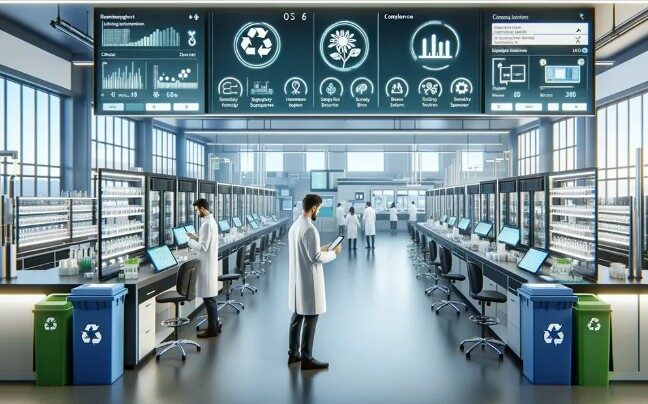
Labs consume far more energy and resources than most workplaces—but it doesn’t have to stay that way. Explore how smarter lab management practices and digital systems can significantly reduce waste, cut energy use, and support long-term sustainability without compromising performance or compliance.
[Read More]
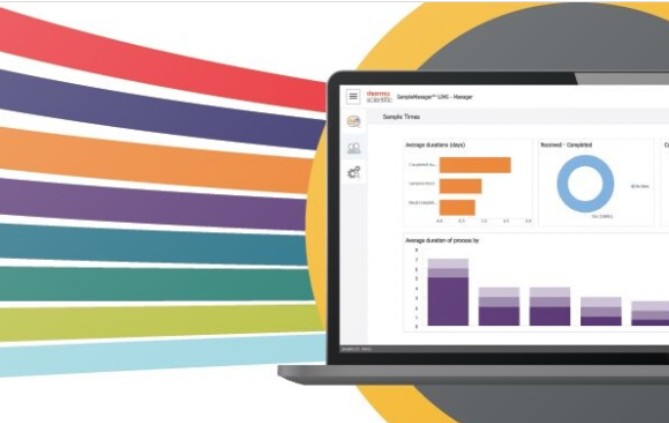
The lab of the future is intelligent, agile, seamlessly connected, and sustainable. By leveraging integrated digital tools, advanced AI, and automated workflows, labs drive greater productivity and innovation, ensuring scientists stay at the leading edge of discovery. Thermo Scientific SampleManager LIMS v21.3 offers an integrated data management platform designed to support AI-enabled lab operations.
[Read More]
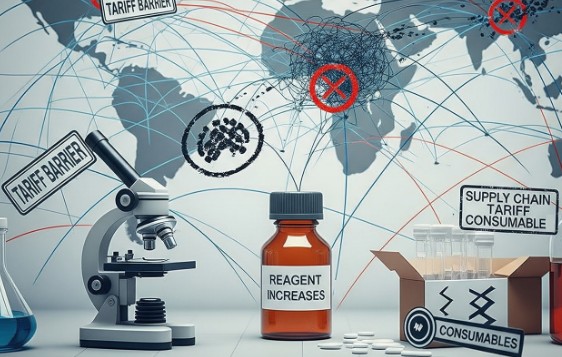
Tariffs—taxes on imported goods—are making global trade increasingly unpredictable, with direct and indirect impacts on laboratory supply chains. From rising costs on critical reagents to unexpected customs delays, many labs are already feeling the effects. This blog explores what tariffs are, how they disrupt lab operations, and strategies to help labs navigate these challenges.
[Read More]
In regulated lab environments, validation is a crucial step for ensuring the reliability and integrity of scientific data. Two key types of validation often come into play: assay validation and computer system validation (CSV). Each type serves a distinct purpose. However, how they are applied varies across industries, based on the nature of the lab’s work, the particular regulatory standards that apply, and the lab’s risk tolerance.
[Read More]
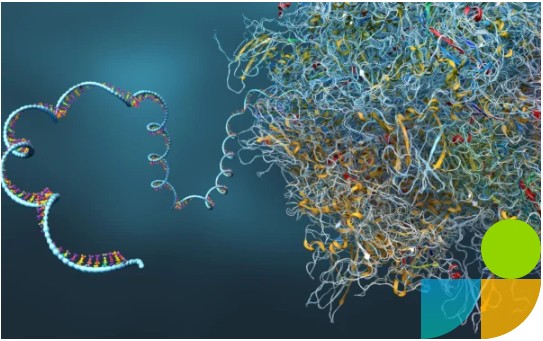
The gene-to-protein workflow represents one of molecular biology’s most fundamental processes, allowing scientists to express and study proteins of interest. This comprehensive guide details each step from initial DNA sequence to purified protein, highlighting critical decision points and technical considerations.
[Read More]
In this podcast episode, Veronica DeFelice from Sapio Sciences joins us as we explore digital transformation in drug discovery, where precision and tracking in biological data are crucial for maintaining accuracy and making advanced decisions.
[Read More]

Environmental labs face increasing pressure to improve accuracy, efficiency, and compliance. Discover how the right digital tools can streamline data management, reduce manual errors, and help your lab meet regulatory demands. These solutions also improve turnaround time and support more sustainable operations.
[Read More]
Artificial Intelligence (AI) is rapidly transforming how scientific research is conducted, offering new ways to accelerate discovery, optimize experiments, and make sense of complex datasets. In 2025, Scientific AI is more than just a tool—it’s a necessity. This article explores more than 10 essential AI tools that are shaping the future of hypothesis generation, molecular modeling, data analysis, and beyond.
[Read More]

Labs that struggle with manual tasks, poor data visibility, compliance gaps, or fragmented collaboration may be falling behind. Recognizing these signs early allows teams to modernize workflows, improve accuracy, and boost overall efficiency using integrated digital tools that support adaptability and growth.
[Read More]

In today’s digital world, data is the lifeblood of every laboratory business. However, it’s not just the data itself that matters. It’s how that data is stored, tracked, and managed over time as electronic records. While they’re often discussed in the context of regulatory compliance, electronic records are fundamental to running an efficient, high-quality lab, whether the lab is regulated or not.
[Read More]
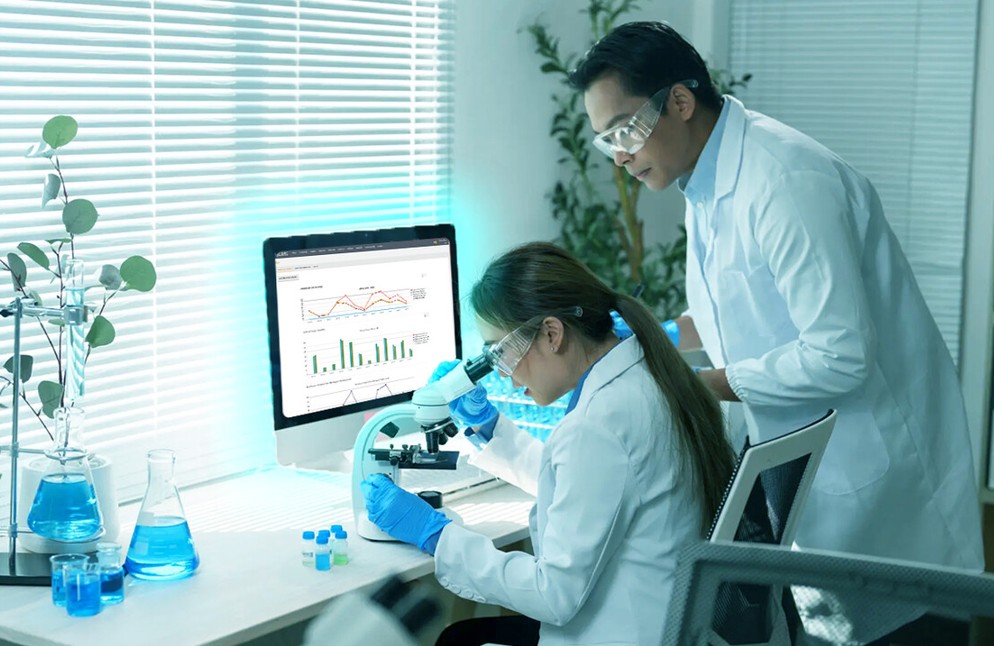
In today’s high-stakes lab environment, precision, speed, and control are essential. That’s where quality indicators and visual dashboards come in. These powerful tools are game-changers for industries where accuracy is non-negotiable—whether it’s environmental testing, food safety, or industrial analysis. Integrated into a cutting-edge LIMS, they deliver real-time insights, streamline operations, and drive smarter, faster decisions.
[Read More]

Is your laboratory's LIMS feeling a bit behind the times? In today's rapidly evolving scientific landscape, an outdated LIMS can be a significant bottleneck, silently impacting everything from daily lab efficiency to crucial regulatory compliance. While the thought of a LIMS upgrade may seem daunting, the truth is, the transformative benefits for your modern lab are often too compelling to ignore.
[Read More]

LIMS and ELN are powerful laboratory software tools that serve different purposes. LIMS focuses on managing samples, workflows, and compliance, while ELNs support scientific documentation and collaboration. When integrated, they streamline operations, reduce errors, and improve data integrity across the lab.
[Read More]
Clear, efficient reporting is essential for lab success. By automating data capture, standardizing templates, integrating centralized systems, and applying role-based access, labs can streamline reporting, reduce errors, and stay compliant. These strategies boost accuracy, improve decision-making, and support better scientific and operational outcomes.
[Read More]
Choosing between a LIMS and an ELN was once straightforward—LIMS managed samples, while ELNs supported experiments. But as platforms evolved and labs grew more complex, these distinctions blurred. Today, it’s less about labels and more about finding a system that fits your workflows and future needs. This article breaks down the strengths of each and how to make the right choice for your lab.
[Read More]
Whether to solve LIMS design puzzles via configuration or customization is an age-old question, right behind “Which came first: The chicken or the egg?” Ok, maybe it’s not that universal, but it is one of the most asked questions within lab informatics. What is the difference between customization and configuration, where is the line between the two, and which approach is the correct one to use in solving your design problems?
[Read More]
Labs implementing software systems to help them reach their business goals know they need requirements to keep them on track. However, beyond the six common types of requirements — business, user, functional, non-functional, configuration, and user stories — labs should also define clear user acceptance criteria.
[Read More]

Digital transformation in labs has created a new challenge for quality control teams: how to organize the growing volume of daily data. Efficiently structuring lab data is no longer a competitive edge—it’s a necessity for faster responses, reduced rework, and better decision-making. This article explores best practices for structuring lab data to boost productivity, traceability, and quality management.
[Read More]
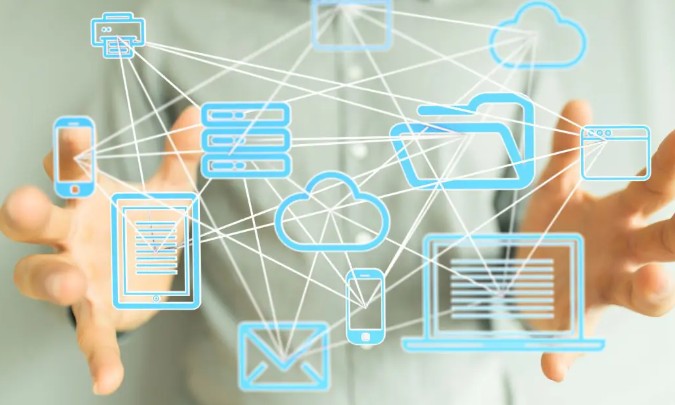
Integrating your LIMS with other lab systems improves efficiency, accuracy, and collaboration. By connecting instruments, databases, and third-party tools, labs can streamline workflows, reduce manual entry, and maintain strong data integrity. This leads to faster turnaround times and better decision-making.
[Read More]

For decades, LIMS have been the backbone of quality control, compliance, and traceability in industries like Water & Environment, Food & Beverage, Chemical, and Manufacturing. While on-premises systems offered control and customization, shifting demands and IT landscapes are prompting many to consider Software-as-a-Service (SaaS) alternatives. This blog helps lab and IT decision-makers evaluate the operational, compliance, and scientific benefits of SaaS LIMS.
[Read More]


