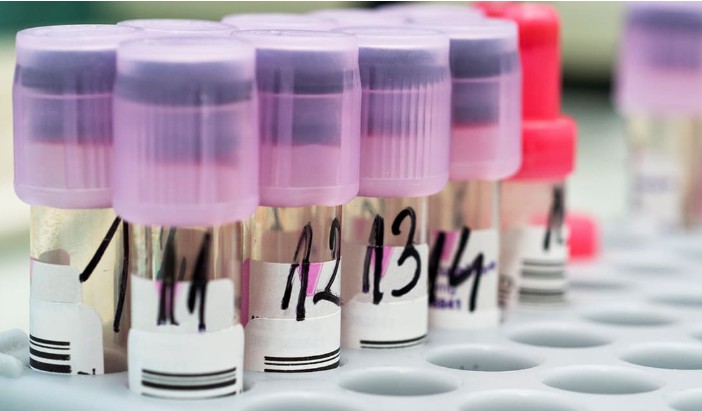
Lost or mislabeled samples are costing labs time, money, and credibility. This article exposes the hidden risks of poor labeling practices and reveals a simple yet powerful LIMS-driven strategy to eliminate errors, ensure full traceability, and protect your lab’s reputation from preventable disasters.
[Read More]

AI and machine learning are rapidly reshaping R&D, especially in drug discovery, where they’re transforming how researchers identify and develop new treatments. By analyzing complex data, automating tasks, and uncovering new insights, these tools are driving efficiency and innovation across the industry. As the field evolves, new advancements continue to emerge. This article is part 4 of our ongoing series on AI’s impact in R&D.
[Read More]
Scientific data platforms have emerged on the research scene in the last few years with a promise to transform laboratory science from a cluttered attic full of uncategorized boxes into a state-of-the-art, AI-powered research library. But what are they, exactly? Are they the Wizard of Oz, or the man behind the curtain? The truth is, they’re a little of both.
[Read More]

Xybion Medical Device LIMS helps manufacturers ensure regulatory compliance and product integrity by automating quality control, maintaining traceability, and streamlining documentation to meet FDA, ISO, and cGxP standards throughout the medical device lifecycle.
[Read More]
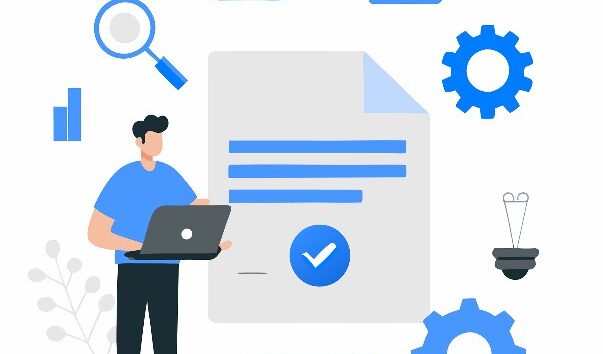
Before implementing new software, labs should document what the software must do. These “requirements” guide the system to meet the lab’s needs, but not all requirements are the same. Different types serve different purposes throughout the software lifecycle. Whether you're deploying a LIMS, LIS, ELN, CDS, or other system, it's important to understand the various types of requirements and how they’re used.
[Read More]
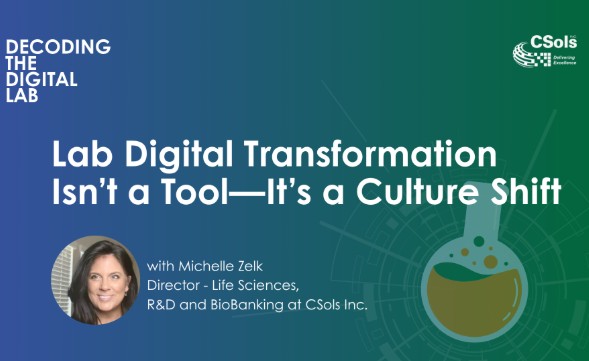
In this episode, we explore why tech projects often fail: it's rarely technical, but because of people. Engaging your team early and understanding lab science can make projects six times more likely to succeed. We address common challenges like training gaps and building trust in new tools, including AI. The key takeaway: digital transformation is a people project, not just a software one, with practical tips for getting real value from your lab’s tech investments.
[Read More]
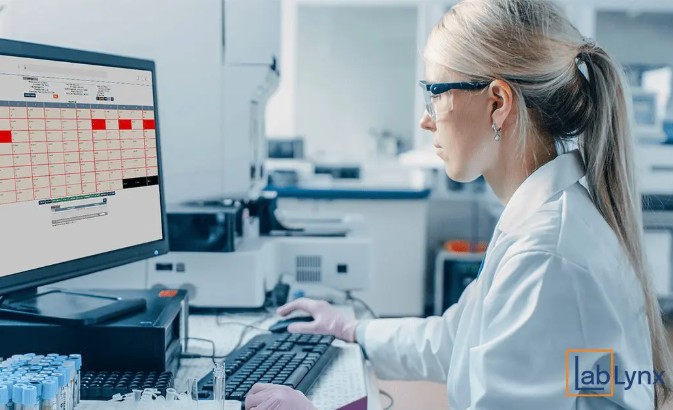
Implementing a LIMS does not have to be overwhelming. This guide shares essential tips to plan, execute, and succeed, from setting clear goals to ensuring user adoption. Learn how to avoid costly mistakes and unlock the full potential of your lab’s data with a smooth and strategic LIMS rollout.
[Read More]

Tech giants like Netflix, Amazon, and Tesla have completely reimagined how systems operate. Now, laboratories have the opportunity to follow their lead. Learn how personalization, real-time visibility, and smart automation can reshape how your lab works, grows, and keeps up in a fast-changing environment.
[Read More]
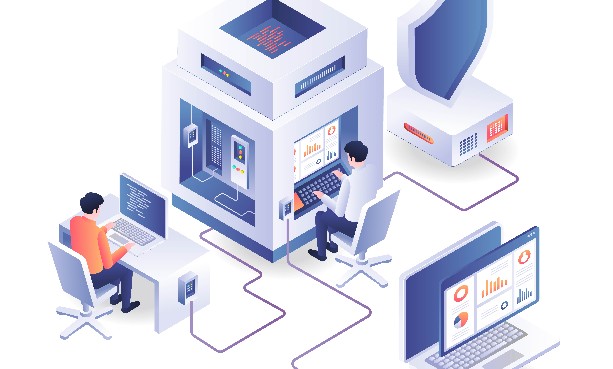
In regulated lab environments, maintaining data integrity is key to compliance, reliability, and operational success. While most off-the-shelf lab informatics systems offer strong data integrity controls, challenges arise when labs connect instruments and equipment using file transfers. This common practice can compromise data accuracy and consistency, potentially leading to compliance issues.
[Read More]
This episode demystifies AI's role in the lab, breaking down complex concepts for beginners. We explore real-world applications like intelligent alerts and smarter reporting, while addressing myths such as AI being “plug and play” or replacing humans with AI. Learn why data quality and human oversight are key to successful AI implementation, ensuring efficiency, accuracy, and compliance. Tune in to see how AI is transforming lab operations—and how your organization can embrace it to work smarter and stay competitive.
[Read More]

Integrations between LIMS, ELN, CDS, and instruments are often ad hoc, leading to isolated data, delays, and limited system value. Manual entry and poor connectivity hinder FAIR data practices and analysis. This webinar explores a better approach to integration, data management, and visualization.
[Read More]

Human error is one of the biggest threats to lab accuracy, but it’s also one of the easiest to reduce with the right systems in place. From automating data entry to standardizing workflows, labs can take simple, strategic steps to boost reliability, improve results, and keep operations running smoothly.
[Read More]

In today's competitive lab environment, a LIMS is indispensable. A LIMS implementation is often complex and that can very easily go awry if all pieces of the project are not properly budgeted and accounted for. That budget is often a very large number, which should cover everything involved in deploying a powerful software system. That includes the critical choice of hosting model. Choosing a hosting model upfront is key, as delaying this decision can stall the entire project.
[Read More]

CAP accreditation sets the gold standard for laboratory quality, ensuring accuracy, consistency, and compliance with the most rigorous diagnostic protocols. Discover how CAP standards drive excellence and inspire confidence in lab operations and patient outcomes.
[Read More]
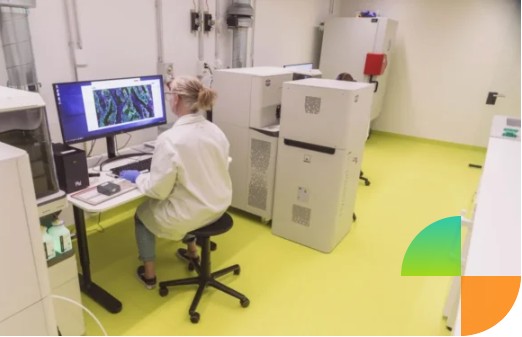
Navignostics collaborated with Sapio Sciences to establish a digital-first cancer diagnostics lab, aiming for rapid, treatment-guiding reports. The outcome is a highly efficient, automated, and scalable diagnostic environment, allowing fast turnaround times and complete data traceability for advanced cancer care.
[Read More]
In a rapidly changing business landscape, lab managers seek to streamline operations and work smarter for a competitive edge. A key strategy is ensuring that informatics systems can effectively support existing and future workflows. Each change in the lab, whether it’s adding a new assay, upgrading a piece of equipment, or implementing a new software feature, requires the effort of the lab’s in-house or consulting software team. How much effort is involved is based on the informatics system’s capabilities.
[Read More]

One of our past blogs about busting LIMS myths was met with great enthusiasm. Several of the comments on that blog pointed out other LIMS myths and misconceptions, which still persist today and remain deserving of public busting.
[Read More]

Good Manufacturing Practice (GMP) helps labs maintain strict control over processes, ensuring product quality, safety, and regulatory compliance. Explore how GMP principles support consistent operations and build trust across pharmaceutical, biotech, and diagnostic manufacturing environments.
[Read More]
Protecting patient data is critical in every lab handling health information. Explore the core principles of HIPAA compliance, discover the most common security gaps labs face, and learn how to build a trusted, efficient data environment that stands up to audits and inspires confidence in every patient interaction.
[Read More]

What is an ELN? An electronic lab notebook, or ELN, is software scientists and lab technicians use to design, execute, and document their research, experiments, and assays. As organizations that produce large amounts of information that need to be analyzed, studied, and shared, laboratories must be able to store and access data efficiently.
[Read More]


