
Labbit was built to address key challenges labs face when adopting informatics systems. Labs using Labbit go live faster, adapt quickly, and stay agile as their science evolves. As labs push the boundaries of what’s possible, our vision continues to grow. We sat down with Semaphore Solutions CEO Peter Smith to discuss what’s next for Labbit and how we’re helping labs unlock more value from their data while staying ready for the future.
[Read More]

Kalleid was pleased to attend the largest-ever Pistoia Alliance gathering in London at the Royal Society of Medicine, where over 300 members from across the biopharma ecosystem came together for two days of learning and networking. The Pistoia Alliance is a global community of 200+ member organizations collaborating to solve shared challenges, reduce R&D costs, move the industry forward, and ensure better outcomes for all.
[Read More]
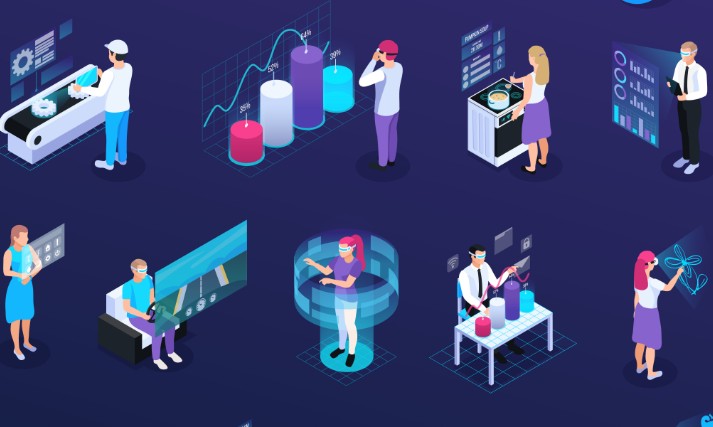
Modern technologies help labs boost efficiency and performance. Even non-experimental production labs that do routine testing can quickly identify bottlenecks and predict outcomes before making real-world changes. However, many labs still use spreadsheets or whiteboards for planning rather than using robust modeling tools available. This limits the types of simulation they can do and reduces their effectiveness.
[Read More]

Public health officials rely on labs to monitor pandemics, identify causes, and respond effectively. To stay ahead of health risks, labs need secure, compliant, and robust systems. STARLIMS’ Public Health Informatics Platform enables timely, accurate results by improving data integrity, boosting productivity, streamlining sample management, automating workflows, and supporting compliance..
[Read More]

Not all labs are built the same—so why settle for a generic system? Discover how customizable LIMS solutions empower your lab to streamline workflows, meet industry-specific regulations, and boost performance where it matters most. The right fit isn’t just possible—it’s essential.
[Read More]

Last year, STARLIMS launched of HTML5-based Life Sciences for Public Health (LPH) 1.0, a cutting-edge Laboratory Information Management System (LIMS) designed specifically for the public health sector. Its release was the first step in a broader roadmap to redefine laboratory management for public health organizations. We’re excited to share the next phase – LPH 1.1!
[Read More]
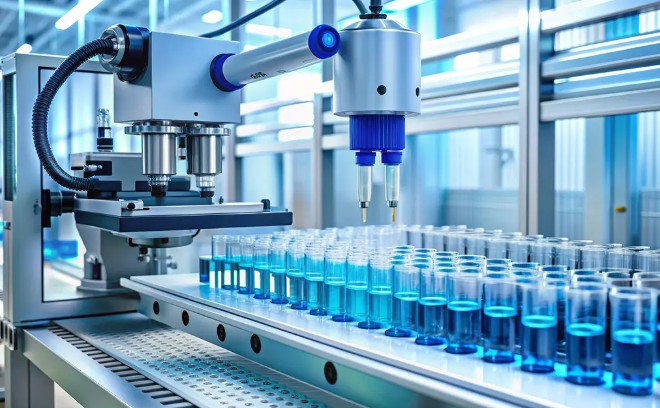
Lab automation is rapidly reshaping the future of laboratory management. From AI-driven insights to cloud connectivity and modular systems, discover the top trends transforming lab operations, boosting efficiency, and setting new standards in accuracy, scalability, and client satisfaction across industries.
[Read More]

SaaS laboratory information management systems (LIMS) are gaining popularity across industries due to their ease of deployment and minimal IT demands. With no need for servers or extra software, SaaS providers handle maintenance, updates, and backups. Users also benefit from secure, remote access. This blog highlights key factors for choosing a SaaS LIMS vendor or transitioning from an existing system.
[Read More]

Performance is paramount for laboratories seeking a business advantage in a rapidly evolving sector. However, streamlining lab processes to improve efficiency can be costly, especially when it involves updating scientific workflows or moving large equipment and retraining operators. This cost can be difficult to justify when there are no guarantees the changes will result in a return on investment (ROI).
[Read More]
Next-generation sequencing is instrumental in the biopharmaceutical space for personalized medicine, genetic disease research, pharmacogenetics, and more. However, too many labs are held back by failed ELN deployments and systems that just can’t keep up with the scale and complexity of NGS data.
[Read More]

Tired of nonstop calls and emails asking for sample updates or test results? Discover how lab client portals empower users with 24/7 self-service access, reduce administrative workload, and improve turnaround times. This approach helps your lab operate more efficiently while delivering a better experience for clients.
[Read More]

Discover how artificial intelligence is transforming used oil analysis by automating tribology diagnostics, enhancing accuracy, and streamlining workflows. This innovative approach integrates AI with human expertise to deliver faster, more reliable insights, revolutionizing maintenance strategies across industries.
[Read More]
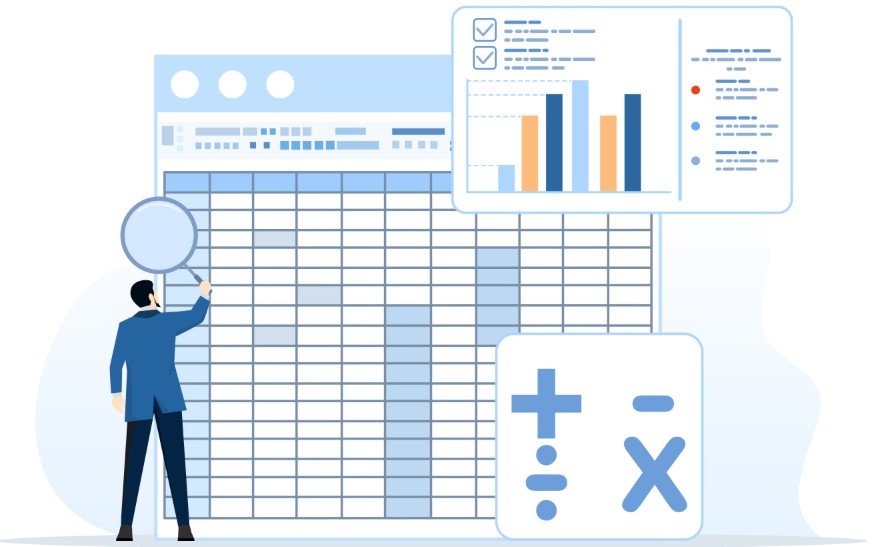
Spreadsheets have been a mainstay in laboratories for several decades, but they aren't the best tool for every use case in today’s labs. Valued for their simplicity, flexibility, and familiarity, they've been a common choice for data entry, calculations, and basic analysis. However, when labs scale and data complexity increases, spreadsheets can lack the sophistication and security required for modern lab informatics.
[Read More]

Stability studies are crucial in pharma to ensure product safety and efficacy over time and to meet regulatory requirements. Integrating these studies with LIMS improves efficiency, enabling accurate capture, management, and analysis of stability data while maintaining compliance.
[Read More]

In today’s fast-paced biopharma R&D, upstream scientists face pressure to speed up discovery. Bioanalysis—covering assay development, sample tracking, and data reporting—is vital for drug development. Accurate data is crucial for decisions in cell line development, fermentation, and early assays. These complex workflows, from sample prep to LC-MS and immunoassays, must be well-documented, reproducible, and meet regulatory standards.
[Read More]

Today's labs produce overwhelming amounts of data from instruments and experiments. Managing this data effectively requires strong systems and platforms. In this blog post, we’ll explore the evolution of Scientific Data Management Systems (SDMS), examine lab data sources, and show how modern platforms are transforming scientific data management and analysis.
[Read More]
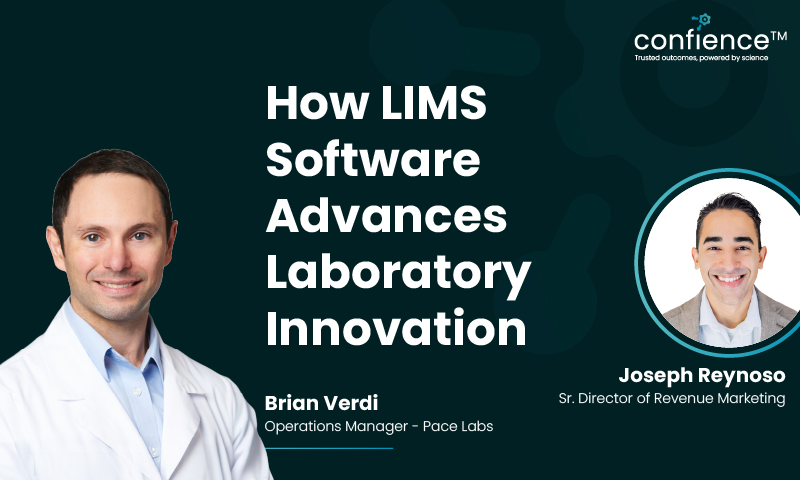
Brian Verdi, Operations Manager at Pace Analytical Labs, reveals how a Laboratory Information Management System (LIMS) has revolutionized their lab operations, enhancing efficiency, accuracy, and data management. By automating routine processes, the LIMS reduces the potential for human error and speeds up sample throughput, allowing lab personnel to focus more on analytical rather than administrative tasks.
[Read More]
The rapid integration of Artificial Intelligence (AI) and Machine Learning (ML) in life science research and development (R&D) is reshaping the landscape of modern healthcare and pharmaceutical innovation. As the volume and complexity of biological data continue to grow, traditional methods are struggling to keep pace with the demand for faster, more accurate, and more personalized solutions.
[Read More]

In today’s rapidly evolving educational landscape, understanding the unique needs and preferences of Generation Z is essential. Born into a world dominated by technology, Gen Z learners expect innovation, interactivity, and immediate value in their learning experiences.
[Read More]
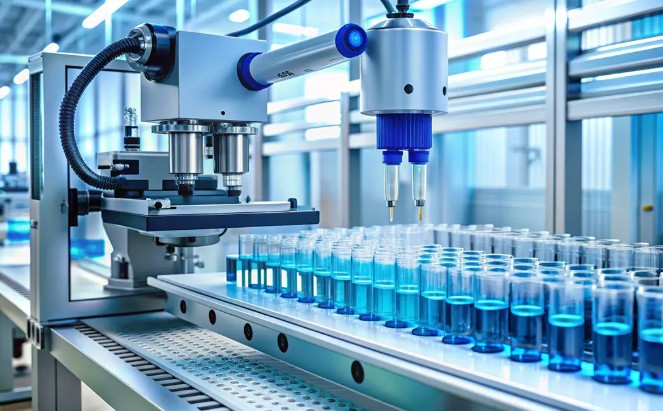
Experience the next evolution in laboratory operations through intelligent automation. By integrating robotics, AI, and advanced data management systems, labs can streamline workflows, minimize errors, and accelerate results. This transformation not only boosts efficiency but also empowers scientists to focus on groundbreaking discoveries.
[Read More]


