Electronic Laboratory Notebooks (ELNs) transform how research teams manage data, ensuring accuracy and compliance. With automated audit trails, secure electronic signatures, and real-time collaboration, ELNs streamline grant reporting and simplify audits. By centralizing data and maintaining detailed records, they enhance transparency and save time—letting researchers focus more on innovation and less on paperwork.
[Read More]
Migrating from paper lab notebooks to a digital ELN can transform how your lab operates—boosting efficiency, improving data integrity, and simplifying collaboration. This step-by-step guide walks you through evaluating your current processes, choosing the right ELN, training your team, and ensuring a smooth, successful transition.
[Read More]
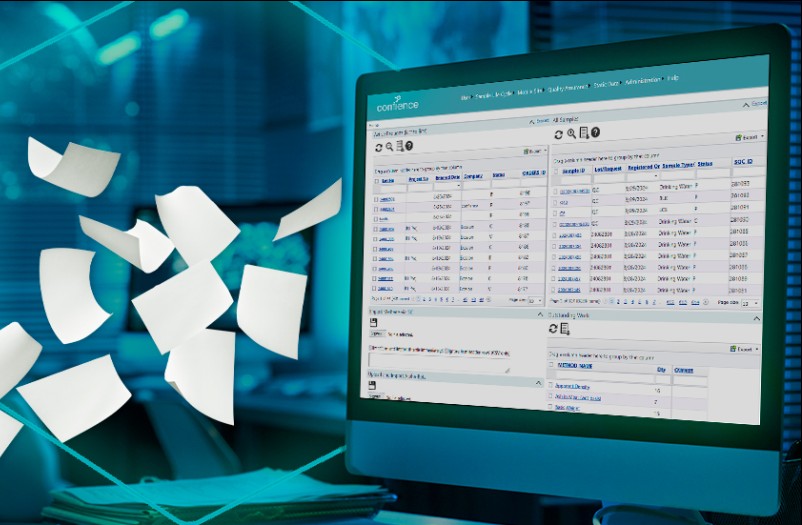
Quality Control (QC) Labs require stringent adherence to the sample ID and classification, testing rules along with the historical tracking of data for evaluation and trending. A LIMS supports this by ensuring product specs and statistical compliance, guiding samples through the lab. Integration with instruments, third-party systems, barcoding, and automated reporting boosts efficiency and reduces errors.
[Read More]

Lab professionals across the U.S. play a vital role in research, disease surveillance, food safety, and accurate diagnoses. However, federal funding and staffing cuts at agencies like HHS, NIH, CDC, EPA, and FDA are threatening their ability to operate—impacting labs nationwide and beyond. This blog explores how these cuts impact labs nationwide and why it's crucial for lab teams and their organizations to prepare and adapt to do more with less.
[Read More]

Data storage is a common challenge for labs that generate and analyze large volumes of sensitive data, especially when subject to strict industry standards. Labs need storage solutions designed to handle these demands while ensuring data quality, security, and collaboration. That’s where a LIMS comes in.
[Read More]

Welcome to Part Two of our blog series, Unlocking AI in the Lab: Your 2025 Roadmap to Data Readiness & Scalable Innovation. In this series, we explore how artificial intelligence (AI) and machine learning (ML) are reshaping the future of research and development in the life sciences industry.
[Read More]
The NIH’s 2025 Data Management and Sharing Policy requires labs to prioritize transparency, accessibility, and proper documentation of research data. Electronic Lab Notebooks (ELNs) make compliance easier by centralizing records, ensuring version control, supporting secure sharing, and aligning with data integrity standards.
[Read More]

Data is dynamic, constantly moving and interacting with other information. Have you ever wondered about the journey your scientific data takes? Where it’s generated, how it’s used, and whether your current processes are efficient?
[Read More]
Boost your lab’s productivity with powerful free tools designed for researchers. From electronic lab notebooks and data analysis platforms to advanced visualization software and reference managers, these applications streamline workflows, enhance collaboration, and support reproducible science—without breaking the budget.
[Read More]
AI is revolutionizing life science R&D, accelerating discoveries and personalized treatments. To harness its full potential, labs must ensure AI data readiness. In this blog series, we outline a roadmap to drive meaningful transformations through 2025 and beyond.
[Read More]
Dry labs are increasingly important tools in laboratory sciences, especially for early-stage research. Unlike wet labs, there are no benches in sight. In fact, dry lab scientists may never pick up a pipette. Dry labs focus on applied or computational mathematical analyses instead of physical experiments, using computer-generated models and simulations in place of samples and reagents. More importantly, they are a key component of lab 4.0.
[Read More]
When selecting and configuring LIMS software, five major areas of functionality define the biggest differences between potential options. A lab’s requirements within each area will depend on the nature of the work they do. This article explores what those requirements typically look like for a lab focused on next-generation sequencing (NGS).
[Read More]
Fieldale Farms, a leading poultry producer, managed lab data using Access and Excel, but faced poor tracking, no audit trail, and manual inefficiencies. Identifying test methods or responsible technicians required digging through paperwork. To streamline operations, the lab adopted Confience’s SaaS Food & Beverage LIMS, for easier sample login, better tracking, accurate results with audit trails, strong QA/QC, and seamless instrument integration.
[Read More]
Download this comprehensive guide to AI and ML in the R&D Laboratory Setting. Astrix brings its in-depth knowledge on how Life Science companies should prepare to deploy and leverage the power of AI/ML in a way that achieves both business and technical goals.
[Read More]
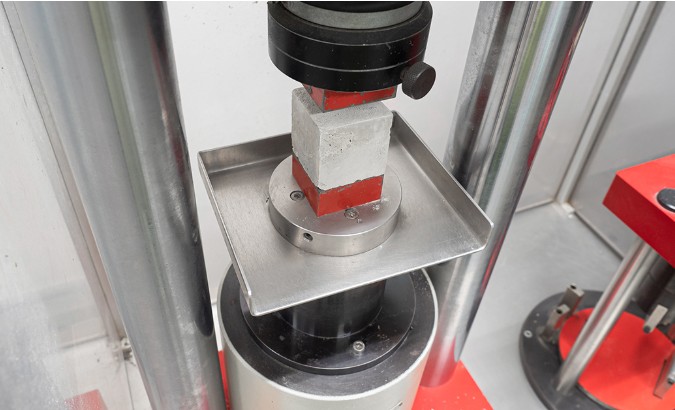
From ISO 17025 to OSHA and ASTM, materials testing labs must navigate a maze of standards to ensure accuracy, safety, and credibility. Discover how industry-specific regulations, documentation, and lab software all play a vital role in staying compliant, audit-ready, and competitive in today’s high-stakes environment.
[Read More]

Secure executive buy-in for your LIMS with a data-driven business case. Quantify manual process costs, map solutions to efficiency gains, and project 200%+ ROI in 3 years. Address risks, align with finance & ops priorities, and turn lab challenges into growth opportunities. Start building your case today!
[Read More]
Academic research is evolving—and modern tools are making it faster, more collaborative, and more reliable. From seamless data sharing to streamlined workflows and secure digital recordkeeping, researchers are unlocking innovation and driving discoveries like never before through powerful, lab-focused digital solutions.
[Read More]
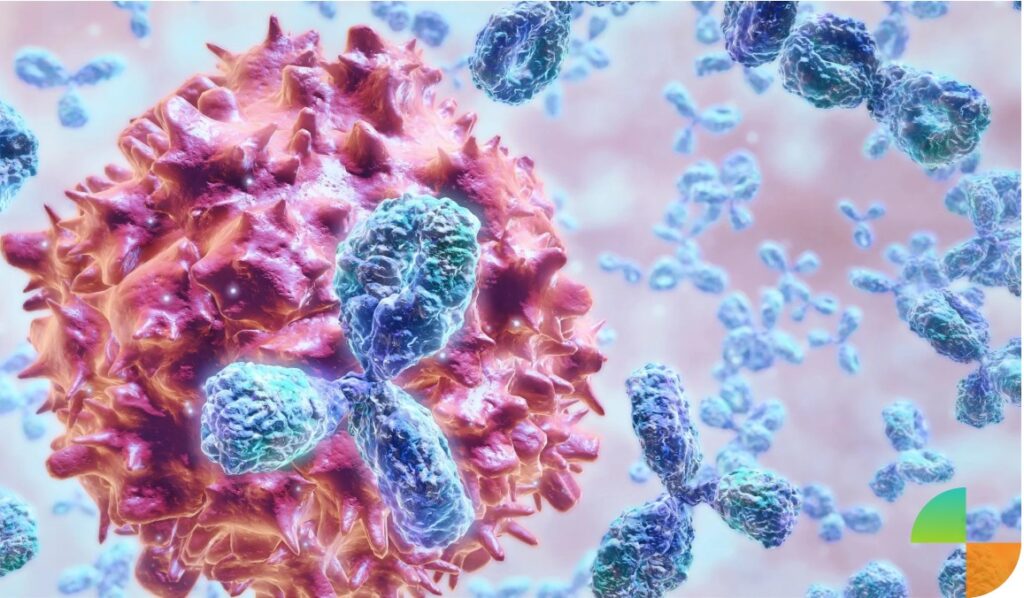
Antibody discovery is accelerating, bringing increasing complexity in managing experimental workflows, large datasets and compliance requirements. High-throughput screening, rigorous material characterization and cross-team collaboration all require seamless data integration. Without the right laboratory informatics solution, inefficiencies slow discovery and complicate decision making.
[Read More]

Clinical diagnostics lab directors and scientists must deliver faster and more reliable results while maintaining accuracy, efficiency, and regulatory compliance. On February 4, 2025,Sapio Sciences presented a webinar addressing how lab personnel can meet their critical responsibilities. This blog presents key topics covered in the webinar, providing detailed demonstrations of the LIMS capabilities.
[Read More]

Food safety labs operate under strict international standards and regulations like ISO/IEC 17025, FSMA, HACCP, and more. From ensuring accurate testing to maintaining compliance and protecting public health, these labs play a vital role in keeping our food supply safe, traceable, and contamination-free.
[Read More]


