

March 19, 2025 - Streamlining Good Manufacturing Practices (GMP) Compliance with LIMS Software
 Good Manufacturing Practices (GMP), ensure manufactured products like food, cosmetics, chemicals and pharmaceuticals are consistently produced and controlled according to set quality standards. In the U.S., the FDA enforces these regulations. GMPs cover the full lifecycle of a product, from manufacturing and processing to packaging. A LIMS plays a pivotal role in supporting GMP principles across the continuum of a product’s lifecycle. [Read More]
March 19, 2025 - How Electronic Lab Notebooks (ELNs) Are Advancing Research Across Industries
 Electronic Lab Notebooks (ELNs) are transforming research by enhancing data management, collaboration, and compliance. From academic and clinical research to manufacturing and life sciences, ELNs streamline workflows, ensure regulatory adherence, and improve research reproducibility. Discover how this technology is driving efficiency and accelerating discoveries. [Read More]
March 19, 2025 - Preventing/Minimizing Scope Creep
 You start a LIMS project smoothly, but stakeholders keep adding features, pushing budgets and deadlines off track. The project spirals out of control, drowning in change orders with no end in sight. If this sounds familiar, you’ve faced Scope Creep! [Read More]
March 19, 2025 - AI is your bench team’s newest collaborator
 AI is not going to replace scientists, at least anytime soon. The more we learn about the actual abilities of today’s AI models, the more cautious we may be about trusting them. These models are clearly very powerful. It’s just a matter of figuring out how to best use them. That’s why Sapio leveraged 20 years of AI expertise to create ELaiN, an assistant designed to reliably complement scientists. [Read More]
March 19, 2025 - Ensuring Accurate Monitoring: Environment and Water LIMS Solutions for Lab Compliance
 Accurate environmental and water testing is crucial for public health, ecosystems, and compliance. Labs face challenges meeting EPA, ISO 17025, and FDA standards, with manual processes causing inefficiencies. LIMS, like Xybion LIMS, streamline workflows, ensure data integrity, and simplify compliance, enhancing accuracy and efficiency. [Read More]
March 19, 2025 - What Do My Lab’s Requirements Really Mean and Why Do They Matter?
 Understanding your lab’s requirements is key to optimizing workflows, ensuring compliance, and selecting the right lab management solutions. From regulatory standards to data security and system integration, defining these needs helps labs improve efficiency, accuracy, and scalability. Discover how to assess, document, and implement the best solutions for your lab. [Read More]
March 14, 2025 - 6 Industries Where an Electronic Laboratory Notebook (ELN) Maximizes Efficiency and Innovation
 From pharmaceuticals to forensics, laboratories rely on efficient data management to drive innovation and maintain compliance. An Electronic Laboratory Notebook (ELN) streamlines workflows, enhances collaboration, and ensures data integrity across industries. Discover how the right ELN can transform lab operations, improve efficiency, and support regulatory requirements. [Read More]
March 14, 2025 - Reflecting on SapioCon 2025: Key Insights and Future Directions
 From February 26–28, 2025, we had the privilege of gathering with over 140 industry leaders, innovators, and experts for SapioCon 2025. Over one and a half days—filled with insightful discussions, engaging keynotes, and valuable networking opportunities—we explored the evolving role of AI, with the implications for data management and security, in accelerating scientific breakthroughs. [Read More]
March 14, 2025 - How Laboratory Information Management System Software Ensures Traceability in Food Safety Testing
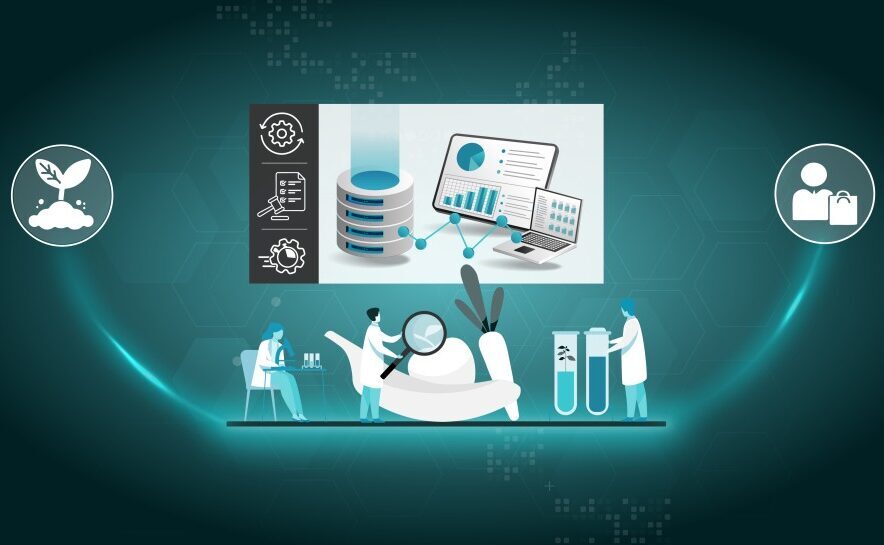 Traceability ensures a full understanding of the food chain by testing at key control points for contamination. Tracking raw ingredient sources, CoA report, other test results, and associated documentation is critical. Globally sourced food faces challenges in QA, shipping, labeling, storage, blending, testing, reporting and traceability, with varying regional standards. Strong data management is key to reliable traceability. [Read More]
March 14, 2025 - Accelerating Digital Transformation in Biopharma R&D
 Biopharmaceutical research is more complex and data-intensive than ever, yet many organizations still rely on rigid IT infrastructures and fragmented lab systems that slow progress. To stay competitive and support new drug discovery, labs need AI-powered, configurable informatics platforms that scale with evolving research needs, automate workflows, and unify critical data In other words, they need agile IT. [Read More]
March 14, 2025 - Why Is It Important for a LIMS or ELN to Be Scalable?
 As labs grow, their data management systems must keep pace. A scalable LIMS or ELN ensures seamless expansion, high performance, and compliance with evolving regulations. It supports increasing data volumes, integrates new technologies, and adapts to changing workflows—without costly system overhauls. Future-proof your lab with a solution that grows with you. [Read More]
March 6, 2025 - ChatGPT is Not a Scientist
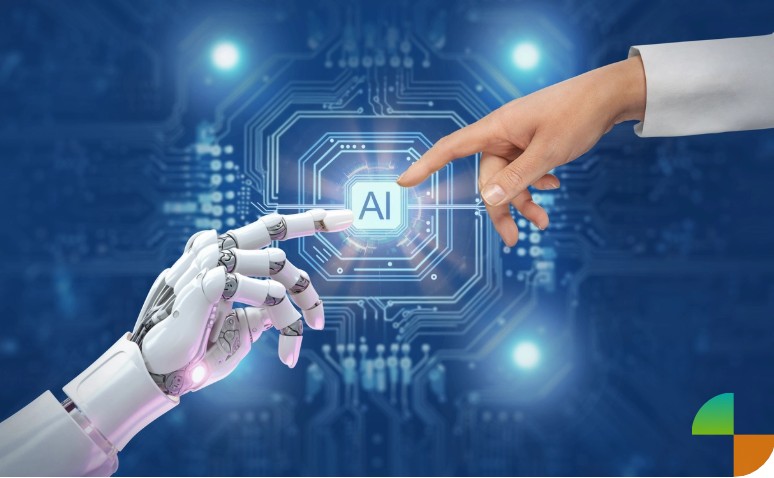 Since ChatGPT's release, speculation has surged about AI reshaping—if not replacing—many professions, including pharma and biotech scientists. Proposed applications range from speeding literature reviews to automating documentation. However, despite the hype, today's AI models primarily augment existing tools rather than replacing them or their users. [Read More]
March 6, 2025 - The Top Features of an Electronic Laboratory Notebook (ELN) and How LabLynx Empowers Your Lab
 A modern Electronic Laboratory Notebook (ELN) enhances data management, compliance, and collaboration in labs. Key features include secure storage, regulatory support, seamless integrations, version control, real-time collaboration, and advanced reporting. By streamlining workflows and ensuring data integrity, an ELN helps laboratories improve efficiency and productivity. [Read More]
March 6, 2025 - AI Jobs in Life Sciences: Finding Top Talent in a Competitive Market
 As AI adoption grows, demand for skilled professionals is rising. In life sciences AI is growing and is pivotal in drug discovery, clinical trials, and personalized medicine. To stay ahead in a competitive market, organizations must hiring employees with AI expertise. However, high demand for skilled professionals with experience in AI and data science makes attracting and retaining talent a challenge. [Read More]
March 6, 2025 - The Future of AI Diagnostics: Transforming the Lab and Patient Care
 AI is revolutionizing medical diagnostics through machine learning, deep learning, and NLP to analyze medical data. AI diagnostics enhances accuracy, speeds up detection, and reduces human errors, improving patient outcomes and healthcare efficiency. From radiology to biomarker detection, AI is a vital tool. This blog covers its applications, innovations, future impact, and ethical challenges.[Read More]
March 6, 2025 - Can Investing in a LIMS or ELN Provide a Competitive Edge?
 Implementing a LIMS or ELN can give laboratories a competitive edge by enhancing efficiency, ensuring regulatory compliance, and improving data accuracy. These systems streamline workflows, reduce errors, and enable better decision-making through advanced analytics and automation. By adopting the right solution, labs can boost productivity and stay ahead in a rapidly evolving industry. [Read More]
February 26, 2025 - Innovations Unveiled at SLAS 2025: The Future of Lab Automation
 SLAS 2025 showcased the latest breakthroughs in lab automation, from AI-driven sample processing and robotics to cloud-based LIMS and digital twin technology. Innovations like collaborative robots, predictive analytics, and smart lab systems are transforming workflows, enhancing efficiency, and ensuring compliance. As automation continues to evolve, labs must adapt to stay ahead. [Read More]
February 26, 2025 - Labs of Tomorrow: AI’s Role in Automation, Efficiency, and Breakthroughs
 AI has sparked excitement and debate regarding its potential to transform entire industries. In modern labs, the possibilities for AI-powered applications range from predictive equipment maintenance to R&D automation. AI tools paired with reliable LIMS solutions have the potential to enhance quality control, data insights, and decision-making, streamline workflows, and support advancements in clinical research. [Read More]
February 26, 2025 - The biggest obstacle to digital transformation in pharma
 As pharma organizations race to achieve digital transformation, the obstacle that most often stops them in their tracks isn’t the cost of compute, security concerns over AI, or even a lack of expert talent. It’s that the data they’ve invested hundreds of thousands, or even millions, of dollars to generate isn’t actually ready for AI. [Read More]
February 26, 2025 - The Role of LIMS in Driving Digital Transformation
 In this episode, we dive into the concept of the Digital Divide—the stark disparity between those with access to technology and those without—and how this phenomenon is more pronounced in certain industries. We also explore the transformative role of Laboratory Information Management Systems (LIMS) in addressing these challenges and driving digital transformation. [Read More]

