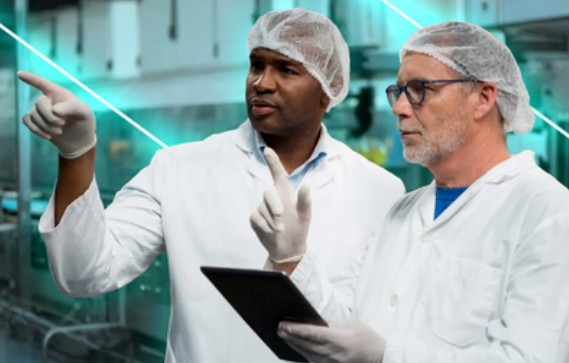
Quality control plays an essential role in ensuring the excellence of products and services in many industries. It is a discipline whose objective is to monitor and evaluate the conformity of products, processes and services with respect to predefined standards to ensure that they meet or exceed customer expectations. In this article, we will explore what quality control is, its importance, and how to manage it effectively.
[Read More]
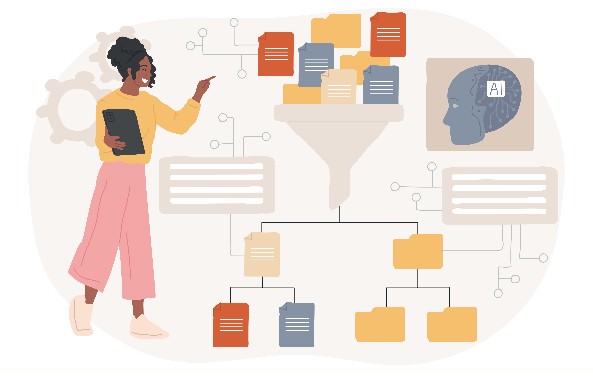
Whether your lab catalogs thousands of test methods or tracks samples through workflows, how you organize information impacts efficiency, compliance, and scalability. Clear, consistent structures are key. Taxonomies and ontologies are two tools for modeling lab data—each with distinct purposes. Understanding their differences helps labs manage data effectively and design smarter informatics systems that support growth.
[Read More]
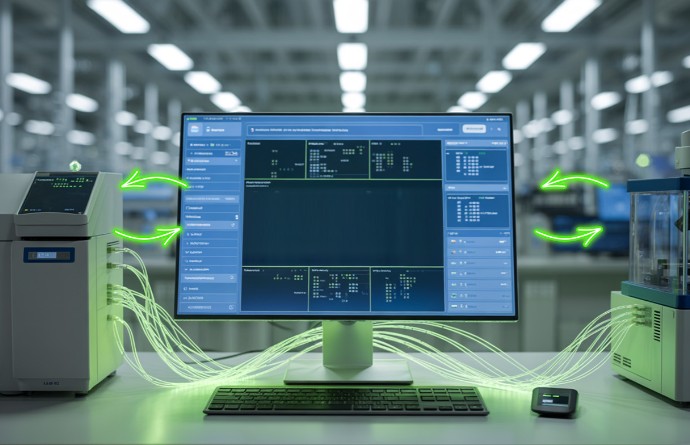
Bidirectional interfacing for a LIMS enables seamless two-way communication between laboratory instruments and the system, reducing errors, improving efficiency, and ensuring compliance. This blog post explores how the technology streamlines data exchange, prevents duplications, and strengthens regulatory adherence, with technical details and practical examples of its impact on modern labs.
[Read More]

When disaster strikes, laboratories play a vital role in safeguarding communities. By rapidly analyzing water, soil, and air samples, response labs identify hazards, guide cleanup efforts, and ensure regulatory compliance. Advanced tools and processes enable faster decisions that protect public health and the environment.
[Read More]

Pharmaceutical and biotech companies are under pressure to manage complex data, maintain compliance, and stay efficient in a rapidly changing research environment. To support this digital transformation, Astrix and Uncountable have partnered to deliver a comprehensive solution. Uncountable’s powerful informatics platform streamlines workflows and unifies fragmented data, while Astrix provides the consulting, implementation, and ongoing support needed to ensure lasting organizational impact.
[Read More]

Discover why generic LIMS often hold labs back and how tailored industry solutions transform efficiency, compliance, and productivity. Learn how the right customization empowers your lab to meet unique challenges, streamline workflows, and achieve better outcomes across any industry.
[Read More]
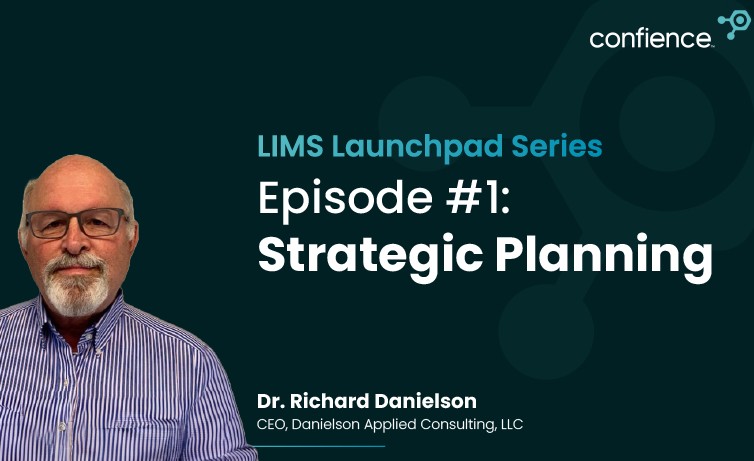
The LIMS Launchpad series offers a step-by-step roadmap to guide labs through evaluating and purchasing a LIMS, from needs assessments to ROI. Episode #1, led by industry expert Dr. Rick Danielson, highlights the importance of strategic planning. Learn how smart project initiation and clear scope definition lay the foundation for success—helping you avoid delays, control costs, and drive user adoption from the start.
[Read More]
Agaram Technologies, a leader in lab informatics, delivers enterprise-class solutions like Qualis LIMS, Logilab ELN, and Logilab SDMS to streamline data management, ensure compliance, and boost performance. As ELNs replace paper notebooks, they are becoming essential for data integrity, evolving regulatory requirements, and audit readiness. This blog explores key regulations and how ELNs help labs stay compliant, enhance data integrity, and remain audit ready.
[Read More]

The scientific landscape is rapidly evolving, with growing data complexity, digital transformation, and accelerated drug discovery making ELNs more critical than ever. A robust ELN streamlines everything from experimental design and data capture to reporting and IP protection, while reducing manual processes and compliance risks. This guide highlights key factors in choosing the right ELN, explores 2025 market trends, and compares leading solutions, including Sapio Sciences’, to support informed decision-making.
[Read More]

Pharmaceutical labs generate massive amounts of data, but without AI it often goes underutilized. Learn how AI-driven Pharma LIMS analytics transform raw data into actionable insights that accelerate drug development, strengthen compliance, and improve lab efficiency across every stage of operations.
[Read More]

Modern laboratories are evolving from outdated paper records and basic spreadsheets to advanced LIMS and ELN solutions. These systems centralize data, automate workflows, enhance collaboration, and ensure regulatory compliance. They empower labs to work faster, reduce errors, and scale with confidence.
[Read More]

Labs must deliver faster results, manage complex data, and cut costs while ensuring accuracy. Traditional methods fall short, making LIMS essential for managing samples, workflows, and results. By integrating AI, LIMS can evolve into into a strategic asset—driving automation, predictive insights, and smarter decisions. This blog explores how AI-enabled LIMS is reshaping lab operations, real-world uses, and key adoption strategies to turn data into a competitive advantage.
[Read More]

LabConnect has launched LIMSConnect, its LIMS is based on the Sapio Science platform. The launch marks a major milestone in LabConnect’s technology strategy to unify research operations, improve data integrity, and enable scalable digital infrastructure across its global network of labs.
[Read More]
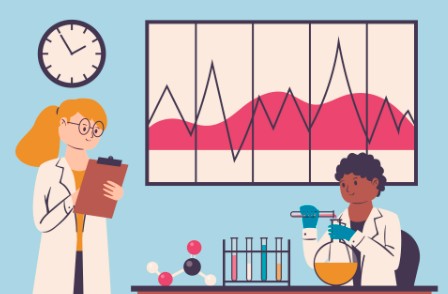
Lab testing doesn’t always go as planned. In clinical, QC, or research labs, results may be inconclusive, instruments may fail, or data may look off. When issues arise, labs must manage them to protect data integrity, stay compliant, and keep workflows efficient. A lab informatics system helps by setting clear protocols for unexpected events while allowing flexibility for cases needing human judgment.
[Read More]
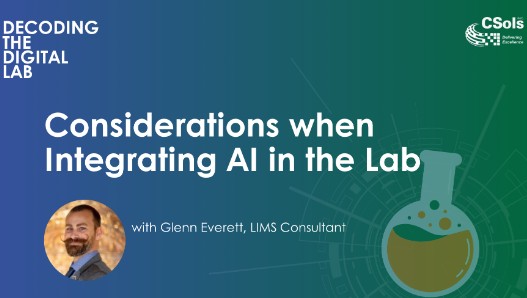
This episode of
Decoding the Digital Lab explores how to integrate AI into labs. Host Megan Pettyjohn and expert Glenn Everett discuss the need for strong data systems, specialized software, clear goals, and staff training. They stress managing buy-in by showing AI’s benefits and ROI, while underscoring one key point: “Bad data in, bad results out.”
[Read More]

Protect the food chain by strengthening animal feed quality control testing. Screen for mycotoxins, heavy metals, pathogens, and verify nutrition with proximate analysis. Standardized workflows and LIMS integrations centralize data, speed turnaround, and maintain audit-ready compliance, improving safety, consistency, and profitability.
[Read More]

Rework in quality control is a daily reality for many food and beverage industries. Each step redone, analysis repeated, or retained batch means extra costs, wasted time, and delivery delays. Digitalizing quality processes can change this. In this article, we explore how a LIMS can reduce rework, improve traceability, and boost productivity. If you work in the food industry and want to optimize your lab, read on.
[Read More]

AI-powered oil analysis is transforming gold mining by enabling predictive maintenance that reduces downtime, extends equipment life, and lowers repair costs. By identifying early signs of wear through automated diagnostics, mining operations can stay ahead of failures and protect both productivity and safety.
[Read More]
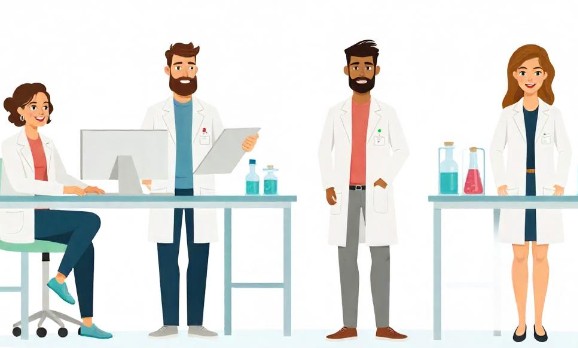
When implementing new lab informatics systems, “the lab” is often treated as as a single unit. labs are dynamic environments with multiple people, each with different responsibilities, goals, and frustrations. A system that helps one user may hinder or even cause outright failure for another. To implement a system or LIMS that works well for all users, labs need recognize the different personas that make up a lab.
[Read More]

In our previous post, we explored AI’s growing impact on regulatory and clinical documents. Now, we focus on Structured Content Authoring (SCA)—a key enabler of reuse, traceability, and large-scale automation. More than just a technical upgrade, SCA lays the groundwork for AI-driven content generation, helping life sciences companies accelerate time to market and reduce costs.
[Read More]


