This must-listen episode explores a hot topic for lab managers and IT professionals: moving a LIMS to the cloud. Our host digs into the unvarnished truth about what you need to know before making the leap, helping you weigh the benefits, challenges, and critical considerations in cloud adoption.
[Read More]

In Part One of our series, we assessed your organization’s AI readiness for automating regulatory and clinical trial document creation. Part Two explored Structured Content Authoring, establishing modular frameworks for clinical development data. Now, in Part Three, we examine AI-enabled content generation—what it is, why it’s gaining momentum, and how organizations can adopt it to populate the Structured Content Framework from Part Two.
[Read More]

Could your lab pass the escape room test? Many teams struggle to find critical data when it matters most. By replacing scattered spreadsheets and paper records with connected digital tools, labs unlock faster workflows, easier compliance, and a clear path to innovation instead of a search for missing clues.
[Read More]
Ipiranga, Brazil’s leading privately-owned fuel and lubricant distributor, faced challenges managing laboratory analyses and results without a computerized system. To ensure full traceability, streamline processes, and automate reporting, the company partnered with Confience to implement the myLIMS system. With myLIMS, Ipiranga’s lab is free from routine tasks, enabling the team to focus on research and innovation and positioning the facility as a national benchmark for excellence.
[Read More]
In the life sciences, innovation drives success, but finding the right talent quickly is a critical challenge that can derail projects, disrupt workflows, and jeopardize compliance. Partnering with a specialized staffing firm helps organizations access top-tier professionals, reduce hiring costs, and improve flexibility. This blog explores the benefits of working with a quality staffing partner and how to choose the right firm.
[Read More]
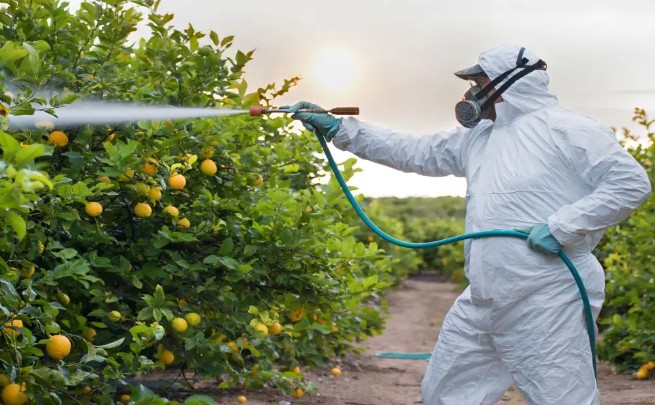
Agriculture labs play a vital role in pesticide research, from residue testing and food safety to environmental impact studies and resistance management. By combining advanced science with modern lab tools, these labs help ensure safer crops, sustainable farming practices, and a healthier global food supply.
[Read More]
Consulting makes the difference between software that simply works and solutions that truly deliver. By aligning technology with workflows, compliance needs, and growth goals, consulting ensures labs move beyond generic systems to achieve efficiency, adaptability, and long-term success.
[Read More]
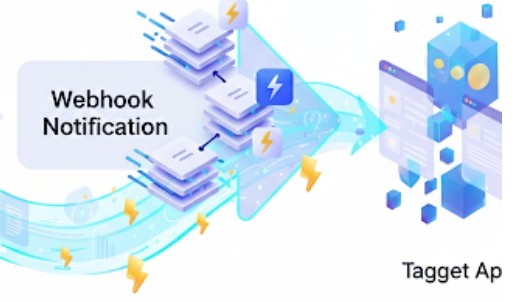
In life science R&D, the demand for real-time data integration with LIMS/ELN solutions is growing. Scientists now expect seamless integration with diverse sources such as instrumentation, raw data, environmental monitoring, MES, PAT, and other pipelines. Sapio’s Lab Informatics platform supports webhooks, enabling real-time integration and extending platform capabilities. As a Sapio Sciences Partner, Kalleid leverages the platform to deliver comprehensive, end-to-end digital solutions.
[Read More]
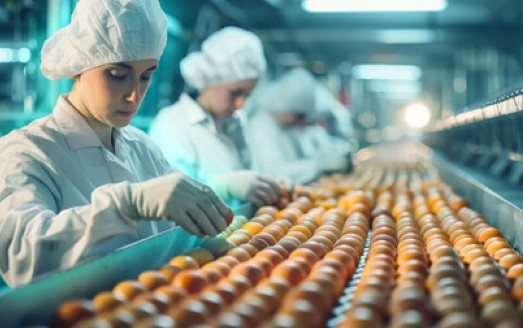
Ensuring food safety and quality is a crucial requirement for any industry. In this context, adopting a LIMS (Laboratory Information Management System) is no longer an option; it has become a competitive advantage—especially when the goal is to meet stringent standards and avoid risks of noncompliance.
[Read More]
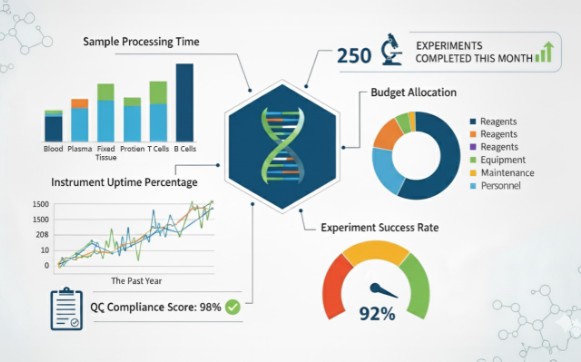
Labs often struggle to leverage LIMS data for performance insights. A LIMS consultant can help them effectively track KPIs, assist with defining KPIs, configuring the system to capture the right data, building dashboards, and train staff to measure quality, efficiency, and productivity. Labs often store huge amounts of data in their LIMS without knowing how to act on it. By focusing on KPIs, you can transform that data into actionable insights and achieve a stronger ROI.
[Read More]
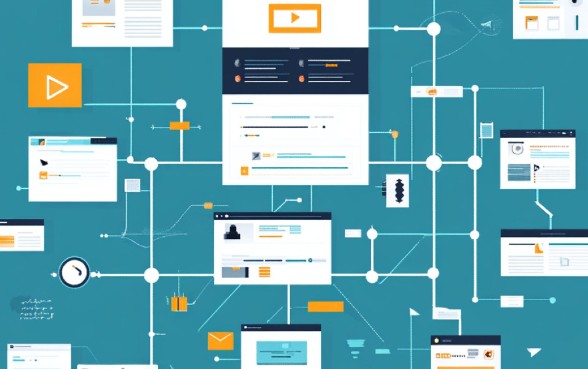
Taxonomies and ontologies are powerful tools for organizing lab data, but sharing it externally—whether with EHR systems, regulatory authorities, or public databases—requires more. The Semantic Web provides a framework that makes data not only machine-readable but also machine-understandable, enabling true interoperability. Accomplishing these tasks efficiently requires Semantic Web standards and technologies.
[Read More]
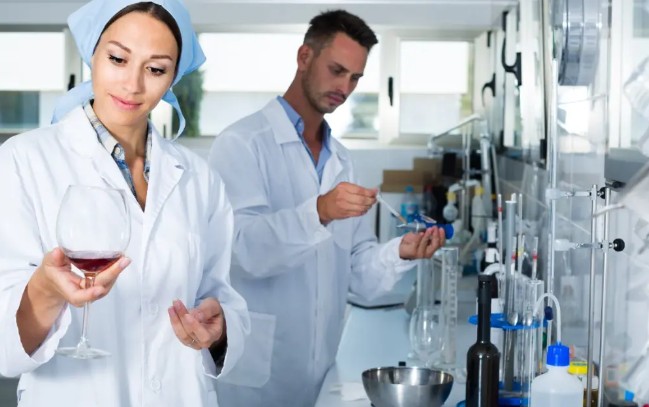
Wine testing labs serve as the bridge between vineyards and wine lovers, combining art and science to guarantee every bottle delivers on quality, safety, and authenticity. They check everything from chemical and microbiological makeup to sensory notes and regional integrity, while tools like LIMS systems streamline processes, enforce compliance, and safeguard taste.
[Read More]
In today’s digital world, data is the lifeblood of every laboratory business. However, it’s not just the data itself that matters. It’s how that data is stored, tracked, and managed over time as electronic records. While they’re often discussed in the context of regulatory compliance, electronic records are fundamental to running an efficient, high-quality lab, whether the lab is regulated or not.
[Read More]
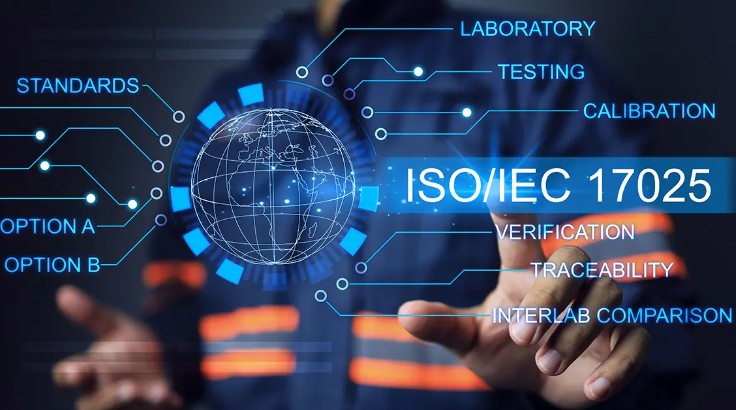
Discover how a globally recognized accreditation can transform lab operations by boosting credibility, reducing costly errors, and ensuring international acceptance of results. Learn why adopting these standards is not just about compliance, it is about building trust and driving lasting success.
[Read More]
This blog post outlines ten common mistakes made during a Computer System Validation (CSV) project, such as having an inadequate validation plan or poor documentation. The article offers guidance on how to avoid these errors to ensure a successful CSV project and prevent negative consequences like FDA warning letters or plant shutdowns.
[Read More]
Compliance with ISO standards is an essential requirement for labs to ensure quality, technical competence, and process safety. In an increasingly digital landscape, adopting appropriate technologies can be the key to not only meeting requirements but also optimizing operations and reducing errors. This article explores how digital labs can ensure compliance with ISO standards, specifically ISO 17025 and ISO 9001.
[Read More]
Sapio simplifies one of the toughest challenges for research and diagnostics labs: managing samples efficiently and reliably. By unifying full sample lineage, real-time visibility, and compliance in one configurable platform, Sapio helps labs improve decision-making and scale with confidence.
[Read More]
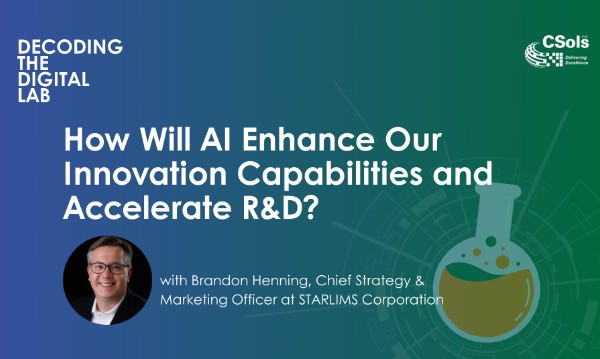
This episode explores the transformative impact of AI on research and development (R&D). Host Alex Chronis and guest Brandon Henning from STARLIMS discuss how AI can serve as a "human assistant," accelerating the analysis of massive datasets and automating repetitive tasks—ultimately making the job of a scientist more enjoyable and efficient.
[Read More]

Unlock how the right lab management system can shrink costs and supercharge efficiency. Learn how smart inventory tracking prevents waste, automated workflows reduce staffing and IT expenses, and faster turnaround times increase capacity while safeguarding compliance and supporting scalable growth.
[Read More]
Cross contamination in food testing labs can lead to costly errors, recalls, and compliance risks. Standardized workflows, traceability, and instrument integration with a LIMS help safeguard accuracy, improve efficiency, and ensure consistent results while protecting public health.
[Read More]


