

September 20, 2023 - Benefits of Laboratory Courses in Education
 Laboratory courses in public and private education support a strong pipeline of upcoming generations in the laboratory and scientific communities. Ultimately, laboratory environments allow students to take a hands-on approach to learning about the world around them, and those educational labs should be celebrated and enhanced to support upcoming generations in laboratory and scientific learning. [Read More]
September 13, 2023 - Introduction to Pharmaceutical Data Items and Their Structure
 Structuring the data used in pharmaceutical reporting will reduce the time needed to create reports, eliminate the manual (human) verification of data tables, and ensure error-free submissions. The use of structured data is particularly powerful in Module 3, which includes large, complex sets of data related to product quality. Using a structured approach to data from source to submission improves data integrity, follows ALCOA+, and is a foundation for working towards the ISPE Pharma 4.0™️ initiative. [Read More]
September 13, 2023 - Determining the Best LIMS Vendor for Your Lab
 Choosing the best LIMS for your lab typically starts with an introductory meeting with a LIMS vendor to have a detailed discussion about your laboratory's specific requirements, workflows, and challenges. Asking questions can help you clarify requirements, understand capabilities, evaluate compatibility, assess future levels of support and training, and address any concerns. Here are some key questions laboratories may want to ask when seeking the right LIMS and the best LIMS vendor. [Read More]
September 13, 2023 - QLIMS Case Study: Comvita
 In this LIMS case study, we delve into how Comvita faced the challenges of rapid growth and evolving regulations head-on. Let’s discover how QLIMS revolutionized their processes, making data-driven decisions a breeze and boosting productivity by 20%.[Read More]
September 13, 2023 - 3D Printing: From Plastic to Prime Rib
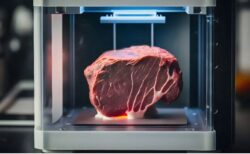 Today, the process of 3D printing has moved beyond just polymers and plastics. Scientists are using 3D printers to print human tissue, prosthetics, aircraft, automobiles, and even emergency shelters in disaster areas. The next big leap in this technology could be 3D-printed food. But is the technology really expected to reach mainstream suburban kitchens? [Read More]
September 6, 2023 - 28 Signs Your Lab Might Need a LIMS
 There comes a point in every lab where data gets scattered across paper files, spreadsheets, and a patchwork of laboratory systems. Manual processes can’t keep up with rising demand. Ultimately, customer satisfaction plummets with profound implications for the lab. All these challenges stem from the way labs manage information. If these 28 signs of laboratory information management challenges look familiar, your lab is ready for a LIMS. [Read More]
September 6, 2023 - True Lab Automation: Utopia for the Life Sciences
 Lab automation is transforming the life sciences industry in fields such as synthetic biology and genetic engineering by streamlining processes and supercharging research and development. These advances will transform the practices of medicine, manufacturing, and agriculture, among others. Achieving lab automation may seem like a utopian dream, but it’s not as far off as you think. [Read More]
September 6, 2023 - Separating Data Information within a LIMS
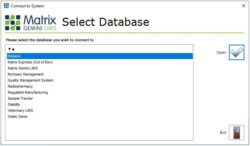 LIMS solutions always consist of an application, which provides the user interface, and an underlying database, which holds all the data securely. One of the features of Matrix Gemini is that it can offer a choice of multiple databases to connect to during startup. Our demonstration system uses this feature to allow us to show potential users the system most appropriate to them. However, this architecture also has benefits for users when it comes to organizing their data. [Read More]
September 6, 2023 - LIMS in the Environmental & Water Industry
 Environmental testing laboratories play a pivotal role in safeguarding the quality of elements ranging from the air we inhale to the water we consume. In an era where data precision and ecological responsibility are paramount, LIMS is emerging as a transformative force that streamlines processes, supports regulatory compliance, and elevates sustainability efforts. [Read More]
September 6, 2023 - Want to Safeguard Your Lab Data? Five Questions to Ask Your IT Team or LIMS Vendor
 Busy labs collect an incredible amount of data every day. From patient and sample data and test results to information about equipment, reagents, and personnel, data is the foundation of the lab business. So safeguarding this valuable data — maintaining its security and ensuring it is always accessible — is critical. In our last post, we shared four ways to ensure your cloud-based laboratory information management system (LIMS) keeps patient data safe. In this post, we’ll take a closer look at other ways to keep data secure, including data backups, disaster recovery plans, and security audits. [Read More]
September 6, 2023 - The Role of Food and Beverage Stability Testing
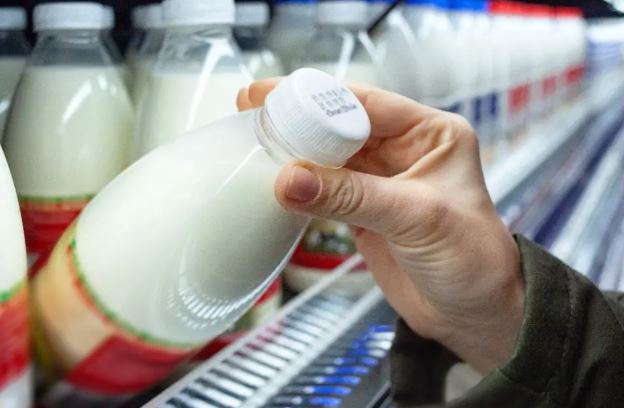 With the wide range of food and beverage products the consumer has available, they need assurance that the items they purchase are safe and will last on their shelves or in their refrigerators and freezers until they reach their use-by dates. That is the role that shelf life and stability testing play in the marketplace. That work can be assisted by automated testing, which in turn can be managed by a well-designed informatics system, such as LabLynx ELab LIMS, to organize, manage, and report the process of testing protocols. [Read More]
August 30, 2023 - Look Ma, No Hands! The Future of Hands-free Technology in the Lab
 Hands-free technology has come a long way since Bluetooth headsets first appeared in 1999. Advancements in voice recognition and artificial intelligence are revolutionizing the way we interact with devices. Future advances in hands-free technology will bring exciting possibilities to various lab settings across every industry. In this blog post, we’ll look at how hands-free technology in the lab began, where it is today, and what it may do for the lab of the future. [Read More]
August 30, 2023 - A Fully Integrated View of LIMS for Manufacturing R&D
 In the case of a manufacturing R&D laboratory serving a range of clients not only as an R&D resource but also as a quality and support/troubleshooting partner, there comes a time when the ever-increasing stockpiles of project documentation in the form of spreadsheets and, even worse, paper, become an unmanageable drain on staff resources, efficiency and therefore an unacceptable cost of time and money. This can be remedied with LabLynx's fully integrated LIMS solution. [Read More]
August 30, 2023 - LIMS in the UK
 The United Kingdom plays a pivotal role in the world of technological advancement. After we dived into ‘LIMS in Germany’ and ‘LIMS in the Netherlands’, today we will explore the realm of LIMS in the UK. From R&D investments to dynamic market growth, the UK’s journey through the LIMS landscape is fascinating and inspiring. [Read More]
August 30, 2023 - Package Testing Labs: Unsung Heroes in Quality Consumer Products
 The LabLynx ELab laboratory information management system (LIMS) for package testing laboratories optimizes your lab for environmental, mechanical, and chemical testing. The ELab LIMS is pre-configured with methods, workflows, and reports common to the industry, which facilitates conformance with ASTM, ISO, International Safe Transit Association (ISTA), European Committee for Standardization (CEN), Technical Association of the Pulp and Paper Industry (TAPPI), and other standards. [Read More]
August 30, 2023 - Green Tech for Greener Biobanking: How Biobank Software Leads the Decarbonization Drive
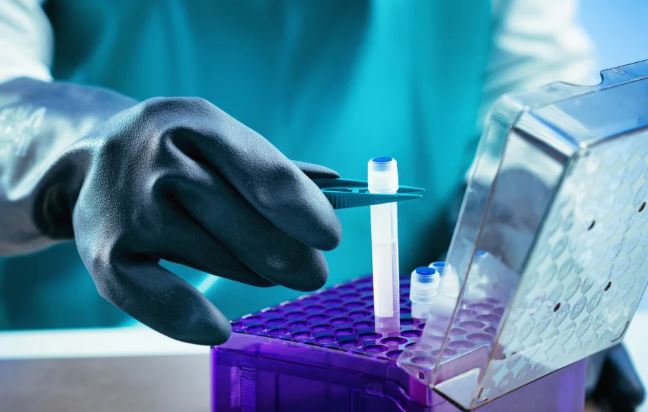 The need for decarbonization is becoming increasingly urgent as the world grapples with the severe consequences of climate change. With growing emphasis on reducing carbon emissions across various industries, it is inevitable that the energy-intensive nature of biobanks, responsible for storing valuable biological samples, comes under scrutiny. Biobanks, essential repositories of biological materials, play a critical role in scientific research, healthcare advancements, and drug development. [Read More]
August 23, 2023 - Protecting Sensitive Data in Oil and Gas Labs with LIMS
 In 2021 a ransomware attack on a fuel pipeline operational system caused a temporary shutdown. The attack focused on operational control systems rather than laboratory data that is within a LIMS but is still a stark reminder of the consequences that cyberattacks can inflict upon the oil and gas sector. A LIMS is vital in maintaining data integrity and security for oil and gas laboratories by providing user access controls, data encryption, audit trails, and centralized data management to protect sensitive information. [Read More]
August 23, 2023 - How to Leverage Data Analytics Tools for your Lab and Upper Management
 Today, it seems data analytics is being used everywhere. In this rapidly evolving business landscape, data analytics has emerged as a powerful tool for organizations to gain valuable insights, make informed decisions, and achieve strategic objectives. Data applications are no longer limited to just the realms of marketing and finance; they have permeated various sectors, including scientific research and laboratory management. There are thousands of articles about analytics indexed in Google right now; why should you read this specific blog post? As a lab informatics leader, CSols presents analytics from a life sciences point of view. [Read More]
August 23, 2023 - 10 Ways SLIMS Boosts the Profitability of Cannabis Testing
 Explore how Agilent SLIMS can enhance your cannabis testing lab. Download our infographic to learn about streamlined processes, reduced errors, and improved scalability for better profitability. [Read More]
August 23, 2023 - The case for not outsourcing the lab

According to American Hospital Association figures, more than half of US hospitals were projected to have negative margins through 2022. In fact, hospital inpatient growth may never again achieve historic levels in the wake of the global SARS CoV-2 pandemic, during which consumers embraced telemedicine and sought alternative points of care. With hospitals under sustained financial pressures from these and other trends, we expect cash-strapped and distressed hospitals will consider outsourcing laboratory services as a means of cutting costs—a potentially “penny-wise, but pound-foolish” decision. [Read More]

