
In today's competitive landscape, labs face the challenge of finding the right vendor to meet their growing software needs. However, for many smaller labs without internal development resources, relying on commercial vendors becomes a necessity. The process of vendor selection can be daunting, especially considering the wide range of options available. In this blog post, we'll dive into the intricacies of vendor selection, exploring the critical steps and considerations to ensure a successful partnership.
[Read More]
The term “LIMS” is an acronym for “laboratory information management system.” It refers to whatever system a lab uses to manage their sample processing data. Today, that data management extends to every facet of laboratory functions, from customer service to invoicing and more. Your system may be paper-based (we feel your pain if so), or spreadsheets (still not pain-free), a mixture of both, or an actual LIMS application.
[Read More]

The Fourth Industrial Revolution, also known as
Industry 4.0, is transforming industries worldwide with the integration of digital technologies, data analytics, and automation. Laboratories, critical centres for research, quality control and compliance, are also part of this revolution. Let’s explore how Laboratory Information Management Systems (LIMS) are playing a pivotal role in driving laboratories into the future of Industry 4.0.
[Read More]

In today’s rapidly evolving life sciences landscape, it is essential for lab professionals to leverage innovative tools and technologies that can enhance their effectiveness and productivity. In the Digital Lab of the Future, LIMS plays a key role in enabling lab operations to become more streamlined and data-driven, keeping up with the growing demands on time and resources. This guide to LIMS will equip lab professionals with the knowledge of its concept, implementation, and application, enhancing lab operations to align with future goals and regulatory requirements.
[Read More]

Environmental and water testing laboratories play a crucial role in safeguarding our planet’s health and ensuring the availability of clean water resources. These laboratories are responsible for monitoring and analyzing various parameters to assess the quality of our environment and water bodies. However, to fulfill their mandate effectively, it is paramount that these laboratories maintain the highest standards of quality in their operations.
[Read More]

Mining is not a new industry and as it has evolved, the industry has benefited from various technology advances including the invention and advancement of Laboratory Information Management Systems (LIMS). LIMS can increase productivity, optimize maintenance, improve safety, lower operating costs, and minimize environmental harm by reducing energy consumption.
[Read More]
ISO/IEC 17025 accreditation is the gold standard for testing and calibration laboratories worldwide. It demonstrates your laboratory’s competence, reliability, and adherence to industry best practices. Accreditation formally acknowledges that a laboratory meets the standard’s requirements and has undergone assessment by a competent accreditation body.
[Read More]
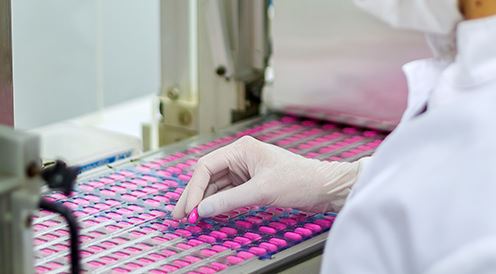
Good manufacturing practices are the underpinning of every life sciences business. At the heart of the organization, ensuring end user safety is everyone’s goal. In many organizations, the quality management system (QMS), learning management system (LMS), and manufacturing execution system (MES) work together in service of this goal. This blog describes the essential functions of these systems, why they should be validated, and how they can be configured to ensure seamless data flow across your life sciences organization.
[Read More]

A laboratory information management system (LIMS) can provide tremendous value to a lab. It can enhance efficiency and productivity, improve data quality, save time, and ensure compliance with traceability and auditability. However, to get the best return on investment, you need to ensure that it’s set up to manage your lab’s entities and workflows properly.
[Read More]

This summer, STARLIMS announced the strategic acquisition of Labstep, a cutting-edge Electronic Lab Notebook (ELN) platform, with the aim of expanding STARLIMS’ portfolio to be able to support each stage of the value chain, from R&D through commercialization. We had the privilege of sitting down with Labstep’s Founder & CEO, Jake Schofield to discuss what motivated him to launch Labstep and what his strategic vision is for joining the STARLIMS portfolio.
[Read More]

The discipline of
materials science requires the study of the properties, composition, and structural properties of
solid materials. Materials science laboratories play a crucial role in the development and modification of materials to achieve desired properties and improved performance characteristics. Within this context,
Laboratory Information Management Systems (LIMS) emerge as invaluable tools,
supporting material science laboratories in their critical roles.
[Read More]

Environmental Monitoring labs play a pivotal role in studying the environment, ensuring regulatory compliance, and advocating for sustainable practices. The efforts of these skilled laboratory teams play a pivotal role in unraveling the complexities of the environment, safeguarding its well-being, ensuring regulatory compliance, and advocating for sustainable practices. By understanding more about their analyses, we gain an appreciation for the invaluable insights their testing provides.
[Read More]

You know it’s time to get a laboratory information management system (LIMS), but that’s a huge decision you aren’t authorized to make. So, how do you convince people far removed from what happens in your lab to approve a new LIMS? This guide will suggest ways to build a data-backed business case that makes it easy to say “yes” to a new LIMS.
[Read More]

In the dynamic realm of laboratory management, where innovation is the name of the game, embracing modern solutions is not just an option—it’s a necessity. Among these groundbreaking innovations, SaaS (Software as a Service) LIMS, which our QLIMS exemplifies, has emerged as a game-changer. In this blog, we will discuss the
five reasons why SaaS LIMS is essential for laboratories.
[Read More]

With the experience of thousands of laboratory management system deployments of Clinisys Laboratory Solutions™ under our collective belts, we at Clinisys have vast experience implementing laboratory information systems (LIS) and laboratory information management systems (LIMS) software for laboratories with specialties that represent the full range of clinical, scientific, and environmental laboratories, including forensics, toxicology, public health, agronomy, water, wastewater, soil, air, and food and beverage.
[Read More]

Several farm-rich states across the country have taken laboratory study to a whole new level by taking the lab on the road, providing mobile classrooms devoted to agriculture education and science. This helps teach students the importance of agriculture in their daily lives and inspiring the future study of agriculture sciences.
[Read More]

As an employer, keeping up with ever-evolving employment laws is crucial to ensure fair practices and avoid potential legal pitfalls. One such law that has gained significant traction across the United States in recent years is the ‘Ban the Box’ legislation. This blog post aims to provide a comprehensive understanding of ‘Ban the Box’ laws, their implications for employers, and how businesses can adapt to these changes effectively.
[Read More]

The clinical diagnostic lab is a unique environment for laboratory informatics. Not only does it have to meet the challenges of laboratory management and instrument communications, but it also has to do it while interacting with patients, physicians, insurance companies and administrative systems through standardized interfaces. LIMS provide a pivotal role in its operations, managing testing and distributing data as needed.
[Read More]

Research and development in the pharmaceutical and biotechnology industries is fast paced and getting faster, while the pressure is on to decrease spending and improve time to market. As the research and development sector evolves, so do the requirements for robust systems that can manage large volumes of data, ensure fulfillment of regulatory requirements, and streamline operations. A laboratory information management system (LIMS) is an important tool in fulfilling those requirements. This blog post will look at some of the ways a LIMS can support your preclinical lab when properly configured.
[Read More]

Companies continually seek innovative strategies to optimize operations in an increasingly competitive, cost-conscious life sciences industry. One such strategy gaining prominence is outsourcing. By enlisting the expertise of external partners, life science companies can focus on their core competencies, streamline operations, and significantly reduce costs. This article will explore five effective methods through which outsourcing can help life science companies reduce expenses.
[Read More]


