

February 14, 2023 - SLAS2023: Strateos to Showcase Robotic Lab Automation Solutions
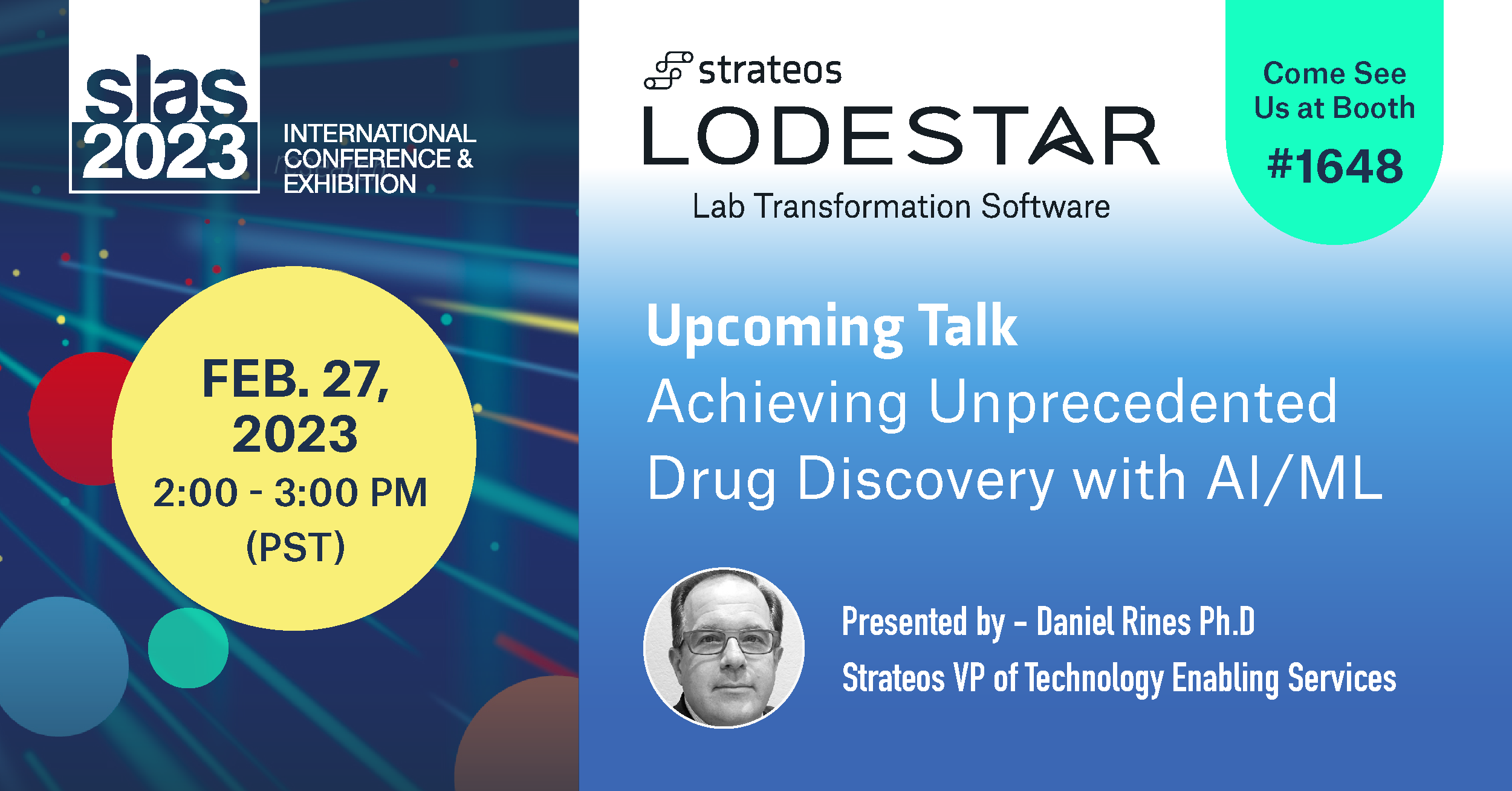
Are you interested in discovering how AI and automation can be put to work in the drug discovery space?
Then join us at the first SLAS conference of the year in beautiful San Diego, CA, from February 25th – March 1st. It's an event not to be missed! [Read More]February 14, 2023 - Rationale For Companies to Upgrade Their LIMS
 Although laboratory information management software (LIMS) automatically brings plenty of unique benefits to laboratories, like any technology, they become obsolete over time. Inevitably, a better version of it will be made available after multiple iterations, which will make it necessary to upgrade it in the future. [Read More]
February 8, 2023 - Managing Security Fatigue in the Laboratory
 Cybersecurity plays a more prominent role in today’s laboratories. Digitalization, remote work, and cloud applications make labs more connected and vulnerable to security breaches. Strong password policies and multi-factor authentication (MFA) improve security, though at a price. Security practices force laboratory workers to enter log-in credentials several times an hour, interrupting their workflows throughout the day. The resulting security fatigue frustrates people and leads to behaviors that can undermine security. [Read More]
February 8, 2023 - Global Battle to Rule Microchip Manufacturing
 COVID-19 impacted the supply of diagnostic testing needs like specimen tubes, personal protective equipment, and reagents. While demand for these supplies remains high, clinical diagnostic labs and healthcare testing facilities are not the only businesses impeded by supply shortages in the wake of the pandemic. Nearly every piece of electronic equipment used in the world relies on semiconductors (also referred to as integrated circuits or microchips), from cell phones and microwaves to pacemakers and automobiles. A global battle is being waged to boost the manufacturing of microchips and profit from the demand from nearly every market segment. [Read More]
February 8, 2023 - Digital Transformation: A Unified Platform Approach For Data Intelligence for Scientific Enterprises
 Last June, the L7 Team attended Future Labs Live in Basel. Listen to Vasu Rangadass, Ph.D., L7 Informatics’ President and Chief Executive Officer, as he talks about digital transformation and the benefits of a unified platform approach for data intelligence for scientific enterprises. [Read More]
February 8, 2023 - Enhancing the scientific lab experience Part 2: The data-centric environment
 This two-part blog series explores how to use LIMS to enhance the overall scientific experience. In our last blog, we focused on how flexible interaction with LIMS can improve the lab-centric environment . This time, we delve into how data-centric elements play a role.
One of the main benefits of embracing digital transformation in the laboratory is better management, analysis, and tracking of data, contributing to the overall scientific experience. [Read More]
This two-part blog series explores how to use LIMS to enhance the overall scientific experience. In our last blog, we focused on how flexible interaction with LIMS can improve the lab-centric environment . This time, we delve into how data-centric elements play a role.
One of the main benefits of embracing digital transformation in the laboratory is better management, analysis, and tracking of data, contributing to the overall scientific experience. [Read More]
February 8, 2023 - Key Considerations When Evaluating Pharmacovigilance System Providers (Part 2)
 Your safety program will be impacted by the system and provider you choose for years to come. Although system functionality frequently predominates in selection criteria, we have learned to consider key attributes of each candidate system vendor as early in the selection process as possible before selecting the best fit. [Read More]
February 8, 2023 - A Quick Look at How Instrument Data is Captured in Logilab ELN
 In pretty much all laboratories, data capture from different types of instruments plays a vital role in their operations in terms of quality and compliance with requirements, standards and regulations. Traditionally, lab personnel recorded instrument data manually. But as the number of instruments used started to increase, and the volume of instrument data generated started to exponentially increase, human errors arising in the process of manual recording became inevitable. [Read More]
January 31, 2023 - Identity and Authentication in LabLynx LIMS Solutions
 Consolidating aspects of your lab’s operations within a laboratory information management system (LIMS) improves your lab’s information security, in part, by controlling access to client information and testing data. Giving users a unique identifier is not enough to keep your LIMS secure. LabLynx ELab LIMS software solutions give laboratories several authentication options. [Read More]
January 31, 2023 - The New Digital Age of the Laboratory
 Considerations for Better Data Provenance and the Case for a Holistic Approach: Your lab processes have been built based on a meticulous methodology. You and your team go through your day with an exacting proficiency that allows you to work in an almost intuitive way. You know the steps of every protocol like the back of your hand. But what if someone else had to come in and understand exactly what you were doing and how you were doing it? [Read More]
January 31, 2023 - Challenges in the Digital Transformation of Laboratories
 Digital transformation is a process that aims to improve an organization by implementing and practicing significant changes to its processes through combinations of information, computing, communication, and connecting technologies. Digital transformation only happens when the management recognizes the strategic importance of making profound organizational changes to the company that is customer-driven rather than technology-driven. [Read More]
January 31, 2023 - Key Considerations When Evaluating Pharmacovigilance System Providers (Part 1)
 Your choice of Pharmacovigilance system providers will impact your safety program for years into the future. In the near term, however, a system chosen without the appropriate awareness of installation requirements and limitations could bust your budget and disrupt your timetable. Although system functionality typically dominates the selection criteria, each candidate system vendor has certain characteristics that should factor into the selection process as early as possible before determining the optimal fit. [Read More]
January 31, 2023 - Top 5 Benefits of Lab Management System
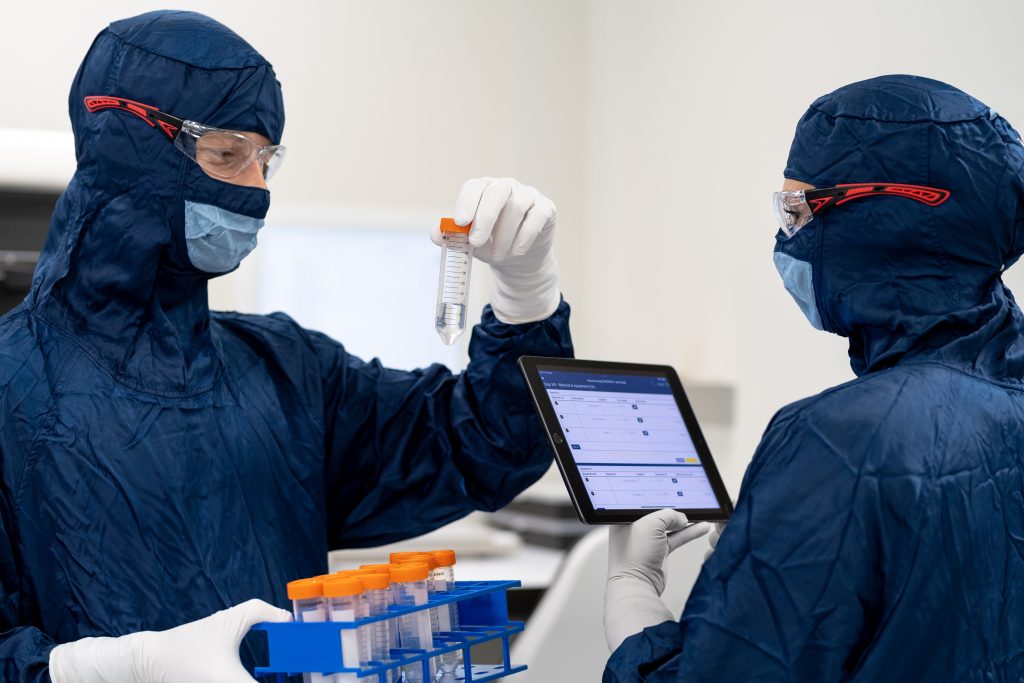 Are you tired of managing laboratory data and samples manually? LIMS (Laboratory Information Management System) is a software system that manages and organizes laboratory data and samples. From improved data management to enhanced collaboration and regulatory compliance, a lab management system offers a wide range of benefits. In this blog post, we’ll explore the top 5 benefits of a LIMS and how they can improve the efficiency and accuracy of your lab operations. [Read More]
January 25, 2023 - Is Your Technology Keeping Pace with Your Science?
 Science and technology are evolving at an unprecedented pace. Great care is called for when gathering requirements and making choices for scientific informatics and software needs. There are few more vexing challenges than inheriting a poorly performing and entrenched legacy enterprise IT environment riddled with data and process silos. The cost, politics, and persuasion needed for change can overwhelm those who haven’t been shown the true value and potential upside. [Read More]
January 25, 2023 - Need to Know: Control Who Sees What in Your LIMS
 Laboratory information security is not merely a question of who can access your systems. What you allow people to access once they are in matters just as much. LabLynx ELab LIMS software solutions offer robust controls over access to your lab’s sensitive data. User profiles with granular access privileges limit the information and processes your staff may access and minimize the impact of stolen passwords and other cyberattacks. [Read More]
January 25, 2023 - The LIMS Project Scope: More Is Better
 A common difficulty in completing a LIMS implementation project on time and on a budget is scope creep. Avoiding scope creep is every project manager’s dream, although it is close to impossible unless the initial scope is given the appropriate amount of care. Assigning a dedicated project manager can help, because the project manager commits to and must defend the original scope. It’s important to develop a scope that is as thorough as possible from the outset. [Read More]
January 25, 2023 - Introducing SampleManager LIMS software’s HL7 capabilities
 Thermo Scientific™ SampleManager™ LIMS software introduces HL7 messaging enhancements – part of a suite of product functionality updates in SampleManager LIMS software v21.1 – offering clinical customers an improved scientific experience, with the uncompromising power and flexibility to meet the diverse needs of the clinical laboratory. The software is providing technologists with the ease-of-use software they deserve. [Read More]
January 25, 2023 - Compliance with 21 CFR Part 11 – Strategies and Practices
 Compliance with US FDA’s 21 CFR Part 11 Regulations is very critical for medical device and pharmaceutical companies. However, there are some grey areas that companies often face when they try to comply with 21 CFR Part 11. There is a common opinion or perception that we have seen where many companies think they are complying (often due to misunderstanding the requirements), but in reality, they are not. [Read More]
January 18, 2023 - Laboratory Informatics in the Oil, Gas, and Chemical Industries
 Modern laboratory informatics systems are essential to the efficient operations of both oil and gas production facilities and related research work. In research, ELNs can manage the progress of research projects with LIMS providing support for extensive routine testing programs. With a well-designed laboratory informatics architecture and attention paid to technology management and planning, a laboratory informatics system can support a petrochemical organization's research, production, regulatory, and customer support needs. [Read More]
January 18, 2023 - Breaking the LIMS Data Migration Barrier – QLIMS & qcKen
 Data migration has always been seen as a barrier to a laboratory information management system (LIMS). The process of transferring data from one system to another can be complex, challenging, and time-consuming. That is why organisations should carefully consider the data migration process when implementing a LIMS and ensure that all data is accurately transferred by an expert LIMS vendor.[Read More]

