
The food and beverage industry is under pressure from a variety of fronts, including a need to meet customer demand for nutritious, safe products; address environmental concerns like waste management and reduction; keep products on shelves, and meet the demands of multiple regulatory agencies are just a few points, all while making a profit. Laboratory informatics can play a significant role in increasing the efficiency and productivity of that research and testing. LabLynx’s ELab LIMS software solution, in particular, can support everything from materials evaluation in research to quality control during and after products are produced.
[Read More]

Pharmacovigilance system implementations succeed when project team members are properly chosen, and their responsibilities are clearly delineated and documented.
It is crucial to include the appropriate professionals on the pharmacovigilance system implementation team. Selecting the best qualified individuals for the team greatly enhances the odds for success.
[Read More]

Eudralex is the collection of rules and regulations governing medicinal products (for human use as well as for veterinary use) in European Union (EU). Eudralex consists of 10 volumes, of which only Volume 1 (concerning medicinal products for human use) and Volume 5 (concerning medicinal products for veterinary use) present official legislation. The basic legislation is supported by a series of guidelines that are published within the other eight volumes.
[Read More]

When planning a project of any type, it makes perfect sense to initially research and detail the specifics of the project to lay a solid foundation to work from. This is particularly true with software development, where careful initial planning is vital to ensuring the project is legitimate in the eyes of critical stakeholders and will meet specified goals. This demands the creation of a software requirements specification. Many specification documents for laboratory informatic systems have been compiled over the years. This updated version incorporates standards and regulations and provides a guidance-based approach to building a spec document for your LIMS. A solid set of LIMS requirements can act as a checklist when determining which LIMS vendor is right for your laboratory.
[Read More]
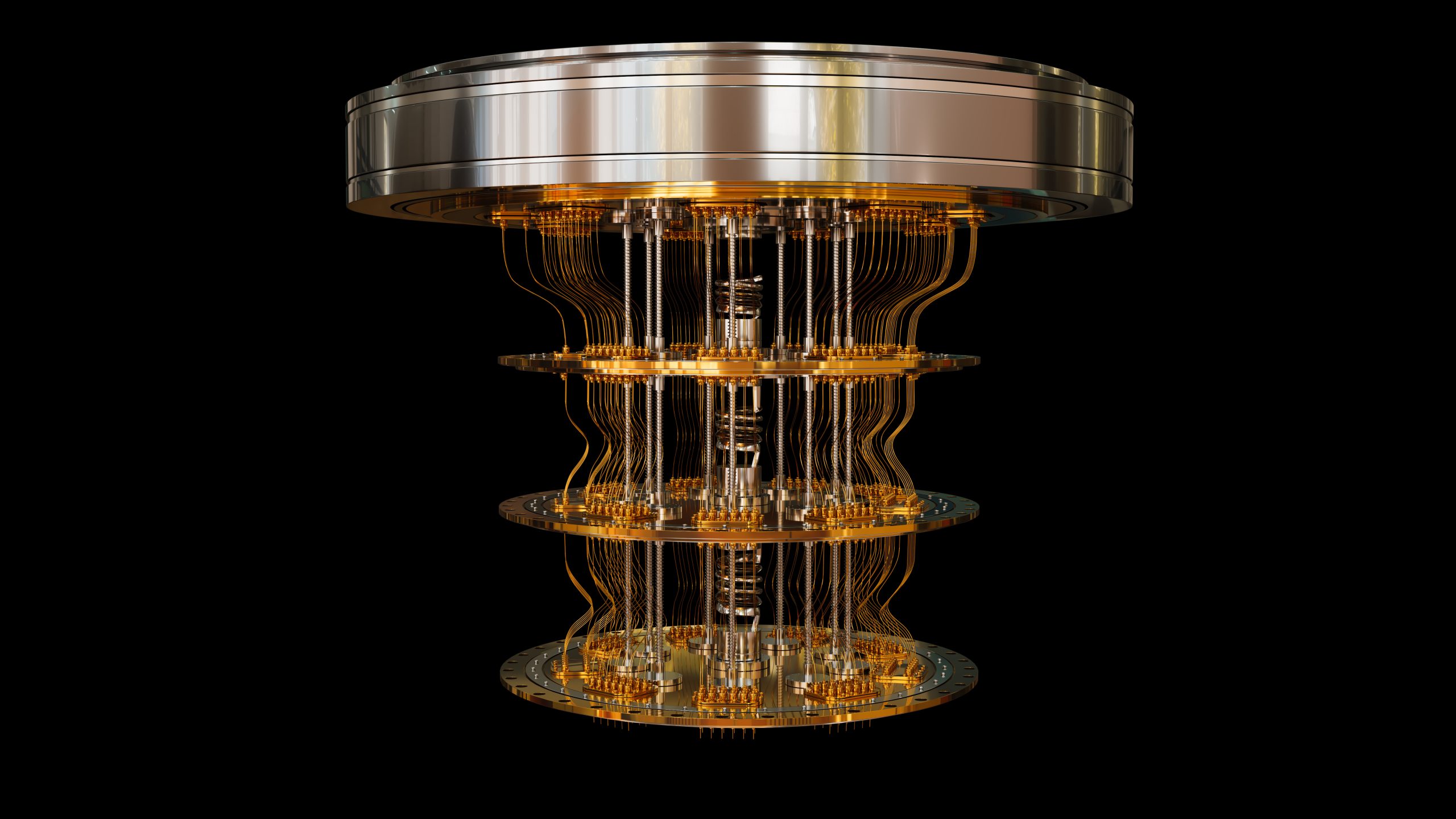
High-performance computing is a fundamental enabler for Big Data, AI, and Advanced Simulations and non-classical computing architectures use parallelism, in-memory processing, and other mechanisms to dramatically increase computing throughput potential.
Non-Classical computing platforms, such as quantum computing or large-scale (i.e., exascale) computing platforms, are making it possible to run previously impossible algorithms to compute in a reasonable time.
[Read More]

Laboratory work depends upon highly skilled people and sophisticated equipment to produce knowledge, information, and data. The cost, value, and ROI for those products are affected by the methods used to record and manage them. Producing knowledge, information, and data is one key aspect of laboratory work. Keeping it useable, accessible, and searchable over the long term is key to maintaining its value and realizing the return on your investment in laboratory space, equipment, and personnel.
[Read More]
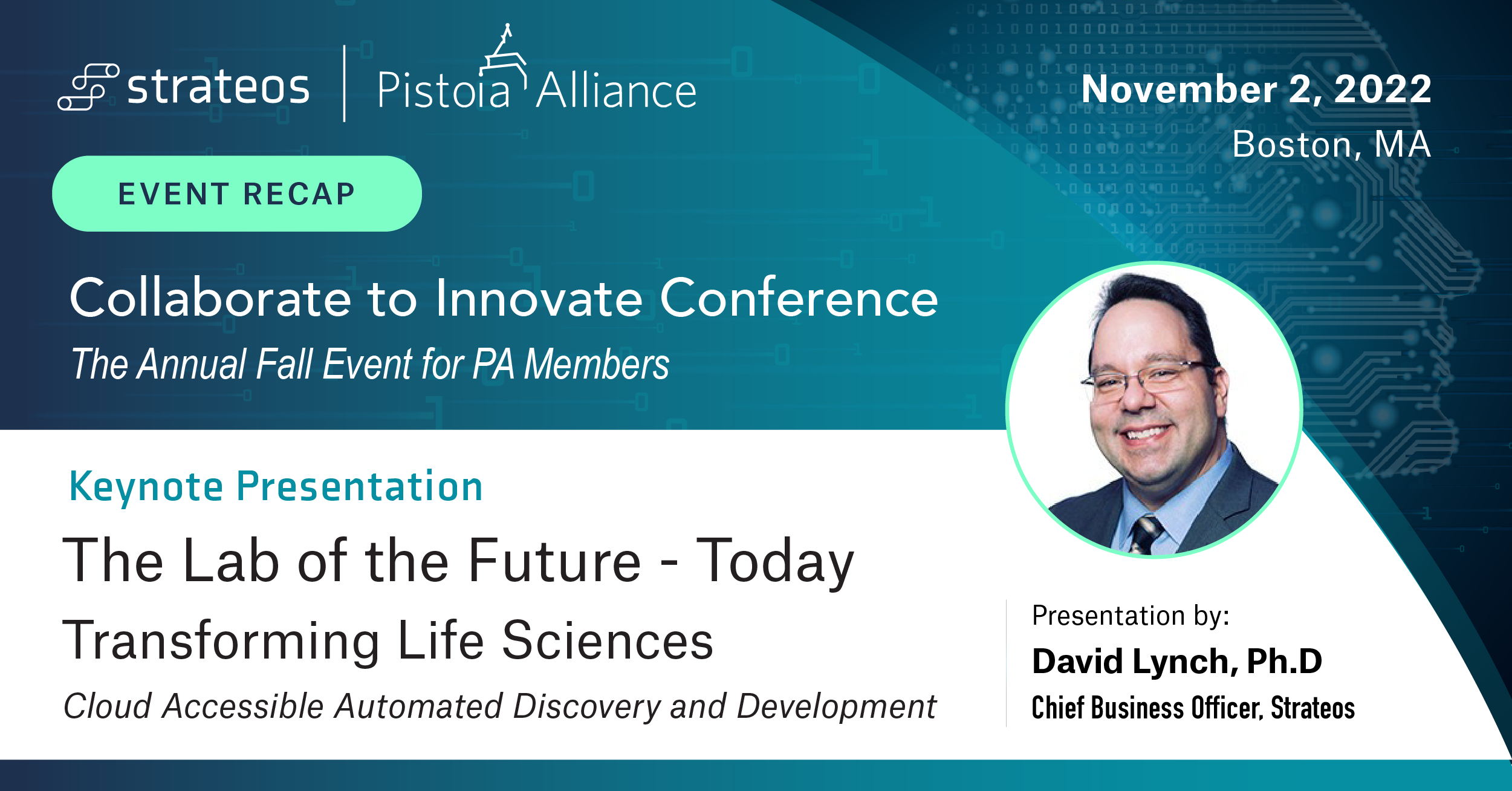
The Pistoia Alliance is a global, not-for-profit organization that strives to lower barriers and overcome obstacles to innovation to transform life sciences R&D with a focus on collaboration across all levels from academia, biotech companies big and small to technology providers.
The Alliance fosters pre-competitive collaboration with members working together as equals on projects that will benefit the industry as a whole—whether it is identifying the root causes of inefficiencies, working with regulators to adopt new standards, or helping researchers implement AI effectively—and more!
[Read More]
Nature of Logilab SDMS and its applicability for 21 CFR Part 11
Logilab SDMS is a closed system. Closed system means an environment in which system access is controlled by persons who are responsible for the content of electronic records that are on the system.
[Read More]

You found your ideal candidate. Their resume and qualifications are what you are looking for, and they impressed you and your hiring managers during the initial or follow-up interviews. They seemed equally enthused about the opportunity, and you follow up with them for the next steps and wait for their response. Days go by, no email responses, and they are not answering your calls. What happened?
You have been ghosted. [Read More]

As if the looming need to feed the world’s growing population were not enough, farmers are dealing with many other challenges in sustaining their business. Farm automation can help the agriculture industry meet the needed increase in production, while at the same time solving labor shortage problems and allowing for increased care of the environment. Farm-focused agriculture labs can assist with soil and seed analysis, among other things, and utilize the data captured by drones and crop sensors to provide recommendations for crop rotation, fertilizer adjustments, or new pesticide treatments.
[Read More]
Agaram Technologies’ Logilab SDMS is a generic software application designed to handle scientific instrument data from any analytical instrument and can facilitate data management with access control. Logilab SDMS will perform scheduled data capture, cataloguing, archival and facilitate restoring data and has capabilities to extract data of interest from instrument output to be pushed to external systems like Electronic Note Book (ELN), Laboratory Information Management System (LIMS) and Enterprise Resources Planning (ERP).
[Read More]

Composable Architecture shifts the focus from
monolithic application suites and hosting to use of best of breed solutions as part of a unified platform-ecosystem. By leveraging business architecture, technologies, and agile thinking, organizations can speed discovery, gain greater agility, and enable flexibility to handle future changes. Many organizations find that the fundamental components to enable Composable Architecture are already in place.
[Read More]

Pooling samples and testing the resulting single sample can help laboratories improve productivity, reduce reagent use, and cut costs. Pool-testing can be used to increase throughput if testing resources are limited or during times of increased demand.
Sample pooling is used in many industries.
[Read More]

As automation continues to work its way into agriculture, large farms are using robotic farm equipment for much of the work that had been done by people. Computing and information technology have a significant role to play from guiding tractors around fields, advising farmers on what crops to plant given forecasted weather conditions and consumer demand, managing communications, and maintaining records and data. Our interests in this article are going to focus on computing and information technology in the realm of
agriculture research and laboratory testing.
[Read More]

When technology changes, you must change with it. If not, your business could fall behind. Organizations can be easily swayed by new technology buzzwords such as digital transformation and AI/ML for the laboratory, without really understanding what will be required to enact that technology. As a consultancy to a wide range of companies, it is our business to stay at the forefront of laboratory innovation, learn all that we can about what the future may be, and share those learnings with our audience.
[Read More]

Astrix participated as the Networking Reception Sponsor at the Pistoia Annual Conference in Boston, MA on Nov 1-2, 2022. This event had over 225 life sciences R&D representatives from many of the largest Pharma companies. Participants from Astrix included individuals from our Lab Information Systems group, Strategic Consulting Services group, and Marketing.
[Read More]
Title 21 CFR Part 11 is the part of Title 21 of the Code of Federal Regulations that establishes the United States Food & Drug Administration (FDA) regulations on electronic records & electronic signatures (ERES). Part 11 sets out how a company operating in the US can use electronic quality records & digital signatures in place of paper-based documentation & ‘wet signatures’ in such a way that complies with FDA regulations.
[Read More]

When writing job descriptions, there are seemingly little-known techniques that can turn your job postings into irresistible magnets for the right candidates. If you’re seeking quality over quantity and prefer to hire for longevity, then these four insider tips can shorten the interval between getting the attention of – and obtaining —the talent who’ll happily choose your organization.
[Read More]

In an earlier
article1, we looked at the role
laboratory information management systems (LIMS) played in manufacturing/production operations, as well as their relationship to other control/database systems. This article is going to shift the focus to the source of those manufactured/production operations: research and development.
[Read More]

One of the many benefits of a Laboratory Information Management System (LIMS) is that all laboratory data is captured in one place. This allows laboratories to easily extract Key Performance Indicators (KPIs) and detailed management statistics from the data, providing a rich source of information to optimize operations and eliminate wastage. Yet few laboratories take maximum advantage of this capability.
[Read More]


