
Artificial Intelligence (“AI”) and Machine Learning (“ML”) are creating a buzz in the Pharmacovigilance (“PV”) space because of their transformative potential to provide new and interesting insights, by processing big data in a timely, accurate, and cost-efficient manner, and promises to enable product innovations to better protect patients and the world.
Artificial Intelligence is a becoming challenging term to pin down ...
[Read More]

Whether a lab is selecting a LIMS for the first time or replacing an old system, there are many factors that will affect the total cost of the new LIMS. Learn more about what your lab needs to consider so you can budget effectively and avoid unwanted surprises.
[Read More]

Cybercrime is so pervasive that new data breaches seem to scatter personal information across the internet every day. An attack can hit any organization at any time. Laboratories face a particular challenge as they balance security with collaboration. Should hackers breach a laboratory’s systems, the resulting data loss can have severe financial, legal, and reputational consequences. This guide provides an overview of the cybersecurity landscape and explains how a laboratory information management system (LIMS) can improve lab security.
[Read More]

Modern specialty diagnostic laboratories need an integrated LIMS that can handle molecular diagnostics, cytology, histopathology, NGS, FLOW, biochemistry, genetic cytology (Cyto / FISH)and microbiology related processes in a single system. Advanced detection of mutations, abnormalities in cells, chromosomes, karyotypes, DNA, gene, enzymes studies and biomarkers are very helpful in identification of potential source of disease and better patient care.
[Read More]

In previous blogs we have shown how the
Data Analytics Solution can be utilized in many different laboratory scenarios to help identify bottlenecks using Business Intelligence Capability, and then reduce testing and forecast sample throughput using the Machine Learning Capability. In this blog we will show how the Machine Learning (ML) models that have been built can be automatically trained, and how they can be operationalized within
Thermo Scientific™ SampleManager™ LIMS itself – without the need to utilize external applications or platforms.
[Read More]

In over two decades, we find the real consequences of cross-contamination in the food supply have added up.
Food contamination is a widespread occurrence, with ramifications leading to bacterial outbreaks, allergic reactions, and many other negative side effects. According to the Centers for Disease Control and Prevention (CDC)
3, one in six Americans contracts a foodborne disease each year, leading to 3,000 annual deaths. The United States Department of Agriculture (USDA) highlighted that foodborne diseases cost the country more than $15.6B annually.
[Read More]

Regular readers of Semaphore’s blog know that over the last decade we’ve spent hundreds of thousands of hours building software for some of the most innovative, fastest growing laboratories in the world. With Labbit Intelligent Lab System, we’ve achieved the perfect combination of our proven methodology, tried-and-true technologies that we use every day as software developers, and technologies that are long overdue for introduction into lab informatics.
[Read More]

Managing stability studies is becoming more important for all food & beverage companies as well as pharmaceutical-related businesses.
QLIMS’ latest update to its Stability Manager keeps our customers ahead of future needs.
A completely new Stability Dashboard keeps track of all activities and gives the users and lab management an inside view of the active studies, all on one screen.
[Read More]
 Advanced analytics
 provides the foundation for automating decisions by applying next generation methods to solve business problems. The methods utilized produce quantitative, sophisticated insights that are unlikely to be obtained through traditional approaches like business intelligence (BI). Diagnostic, predictive, and prescriptive analyses leverage
artificial intelligence techniques, such as machine learning to make sense of and learn from data.
[Read More]
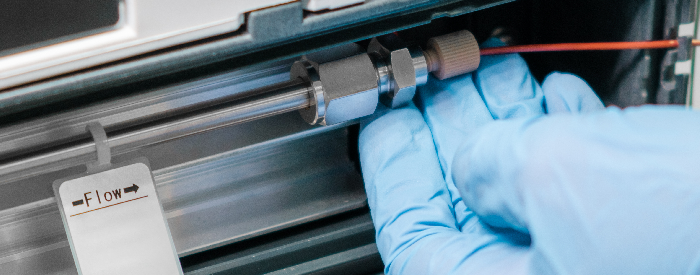
A chromatography data system (CDS) is quite prevalent in life sciences laboratories today. The software enables multivendor controls of instruments that perform gas and liquid chromatography, mass spectrometry, and even ultra-performance liquid chromatography. If you are implementing a Waters Empower™ CDS for the first time or upgrading an existing system, there are many pre-implementation activities to think about and perform to increase success with an Empower implementation, deployment, and
validation.
[Read More]

Government regulatory labs like the official medicines control labs perform control testing of various biological substances like vaccine, blood products and immunological substances. These labs perform testing on almost every batch to be released in European market. The process of product batch release involves the analysis of finished product batch along with raw materials and ingredients used in the process of manufacturing and preparation of such products.
[Read More]

Agaram Technologies' Logilab ELN is an Electronic Lab Notebook meant to shift laboratories from all scientific verticals into a fully paperless environment built for speed, convenience, compliance, and accuracy. Across pharma, biotech, life sciences, and many other scientific disciplines, Logilab ELN is pivotal for both research data capture and test method execution with its rich array of revolutionary features. It is a powerful catalyst of change and digital transformation, helping laboratories in highly regulated industries to move into a better workflow, safely and without downtime.
[Read More]

In the twenty-first century, ensuring food and water security remains one of humanity’s most critical jobs, especially in light of mounting worries about the adverse effects of climate change. Many segments of the global population face the dismal reality of inadequate food supplies, constrained access to clean water, and hunger if food and water security are not continuously prioritized. This includes all of the quality and safety guarantees that go along with it. Food and beverage laboratories conduct various types of testing.
[Read More]

COVID-19 accelerated the process of
digital transformation for many enterprises. To meet the demands of today’s competitive business environment, organizations are integrating digital technologies and business applications at an accelerating pace. Yet with more and more project managers utilizing Agile methodology (94% of respondents in the
15th Annual State of Agile Report noted that their organization practices Agile), industry leaders need a clear plan to sustain a long-term vision and achieve desired outcomes.
[Read More]
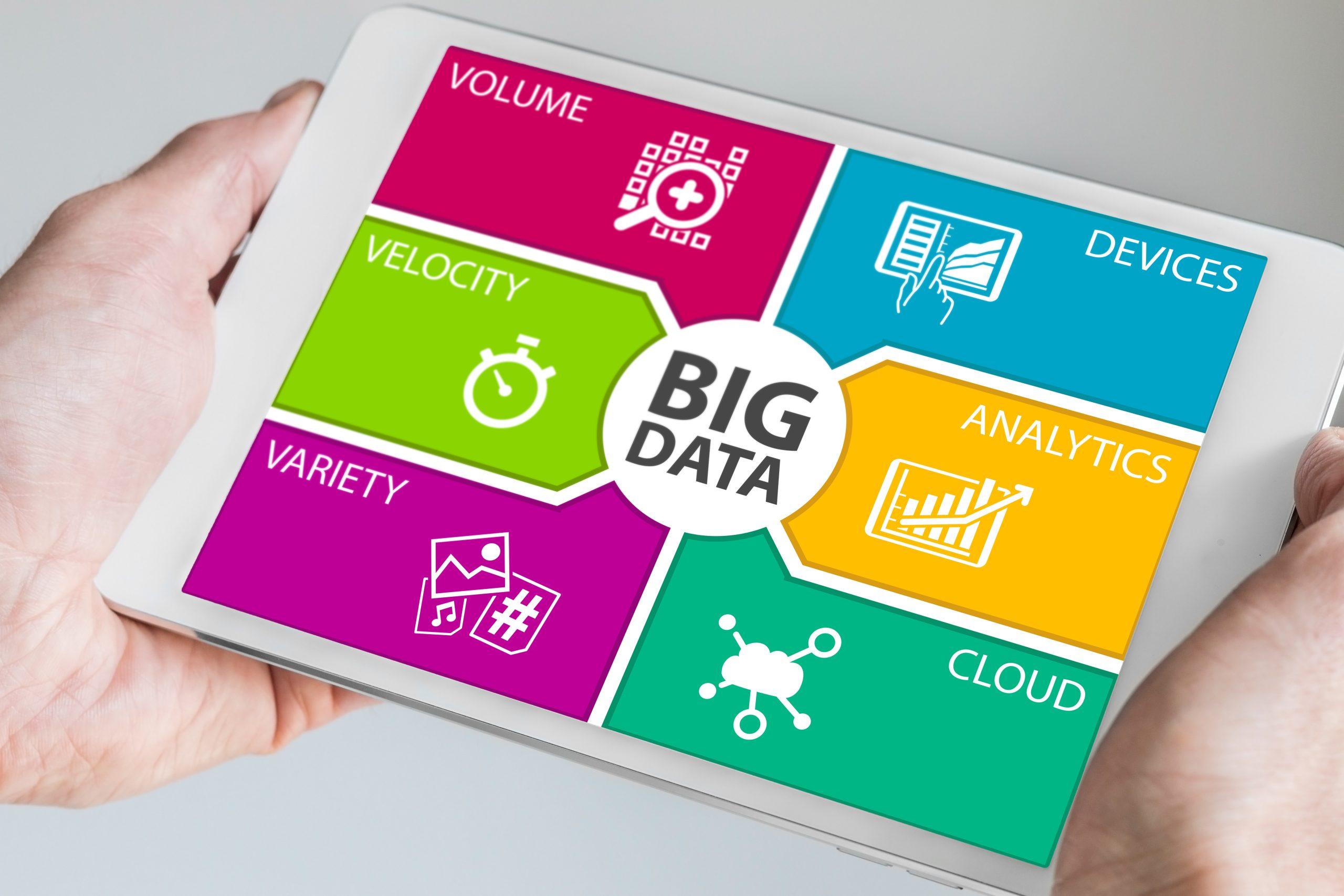
In Life Sciences we have data that we would classify as “Big Data”. That being high in volume, velocity, or variety. This Big Data is fundamentally transforming the industry. The explosion of health-relevant data enables new opportunity for R&D transformation; however, tools are needed to store, manage, and analyze this data.
[Read More]
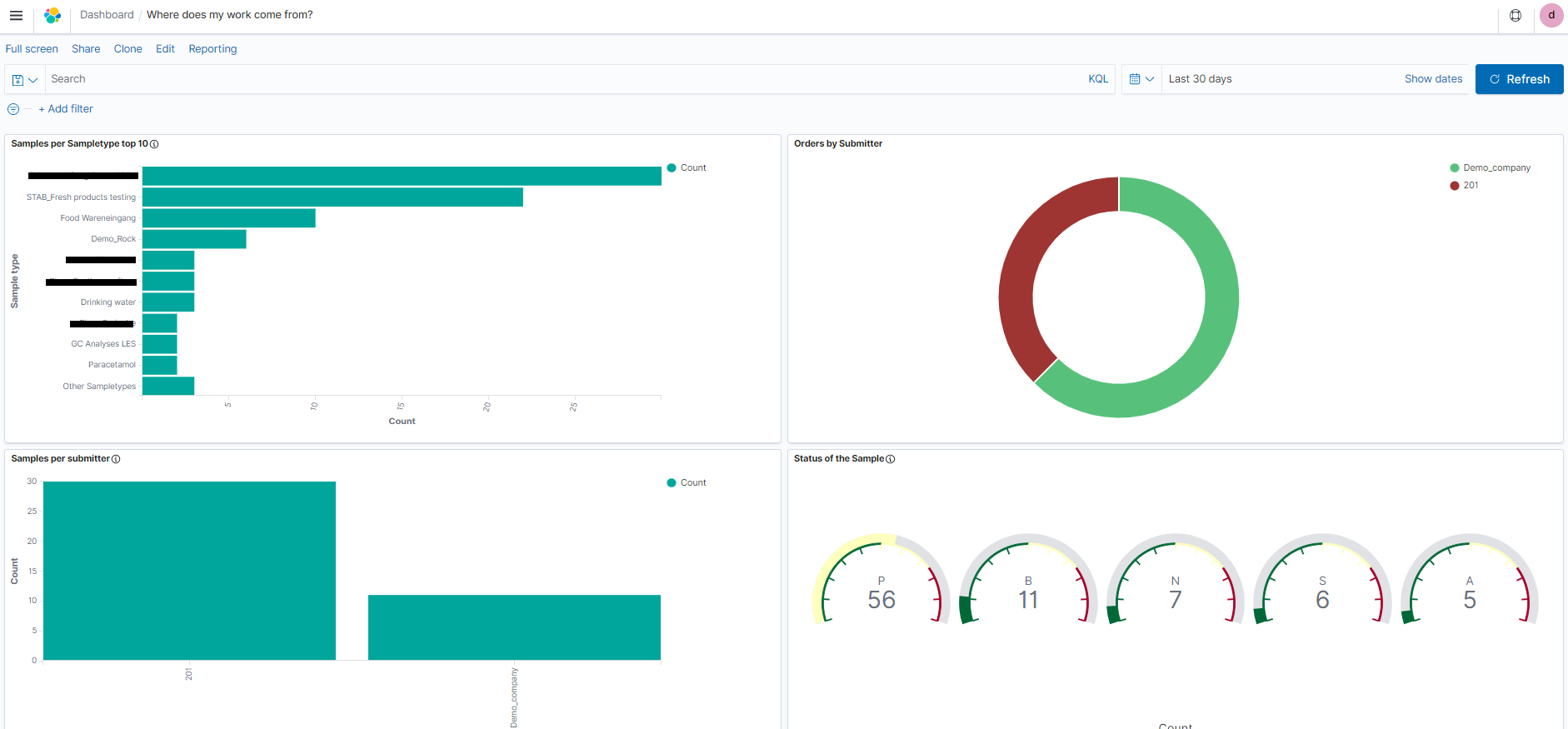
What are the main questions on a Laboratory Manager, Laboratory Director, Quality Manager, COO and/or CFO’s mind which are asked of the laboratory? There is operational reporting which is metrics related to how the laboratory is performing and useful to know on a regular basis. Examples may be turnaround time for testing and how many samples of what test are being processed.
[Read More]
Lithium-ion batteries remain the gold standard for energy storage, providing a lightweight, portable, and rechargeable source of power for a wide range of applications. The current growing demand for electric vehicles has put renewed focus on the methods used to mine & extract lithium for energy storage use, including the quality & scalability of these processes. Lithium mining operations involve a
wide range of teams & workflows, from quality control (QC) and research & development (R&D) laboratories, through to metal accounting, environmental monitoring, & process control.
[Read More]

Bigger. Stronger. Faster. Those may be attributes John Lynch, General Manager of the San Francisco 49ers, looks for when deciding which player to draft at cornerback to compete with the Super Bowl Champion Los Angeles Ram’s wide receiver Cooper Kupp.
Smaller. Easier. Better. Those are the qualities laboratory managers and directors are searching for when it comes to their lab instruments and equipment.
[Read More]
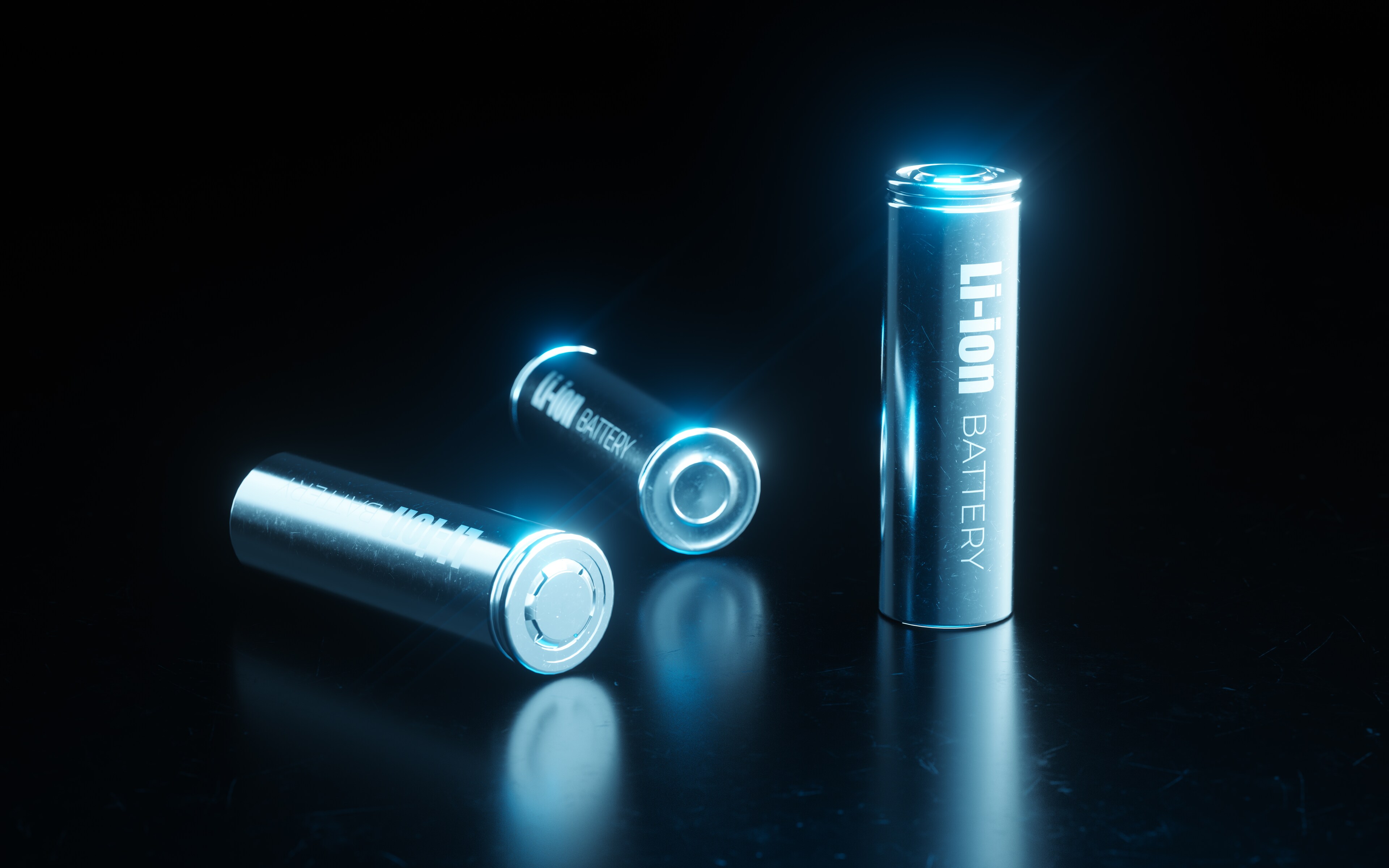
The growing demand for electric vehicles is driving the need for affordable, high-performance energy storage solutions. However, with the cost of raw materials rising, ensuring battery production workflows are cost-effective is critical to maintain competitiveness. Seamless sharing of manufacturing and quality control data is essential for making any production line efficient. Here, we look at how modern laboratory information management systems (LIMS) are improving traceability and efficiency in battery cell manufacturing workflows.
[Read More]

A recent theme in a number of recent
FDA warning letters has been analytical data integrity. This is more, however, than simply connecting instruments to laboratory software for automatic data capture. Recent warning letters have cited the need to ensure records can only be accessed by relevant personnel, that audit trails are complete, and that all records can be accounted for. Clearly the FDA are taking the ALCOA and ALCOA+ data integrity principles to heart.
[Read More]


