Posted on July 12, 2023
By SCC Soft Computer
Blog

As laboratory testing reimbursement cuts continue, laboratories look to add genetics and molecular testing. The annual cuts from CMS and commercial payers are the driving force behind laboratories wanting to create a new revenue stream. There are more than 150,000 genetic tests on the market today.
[Read More]
Posted on July 12, 2023
By Astrix Technology Group
Blog

An effective laboratory information management system (LIMS) is a key component for the success of life science companies in meeting the complex challenges of modern science. Undoubtedly, the time and cost efficiencies generated by a LIMS system are significant, but perhaps even more consequential is its ability to improve data analysis and management.
[Read More]
Posted on July 12, 2023
By onQ Software
Blog

Extensive state-of-the-art research and development lab with some detailed Excel spreadsheets, but the time is to embrace the era of LIMS, this is Lab 4.0 after all! The challenge? Convincing people to let go of their spreadsheets. To convince them they’ll need the same flexibility while being controlling enough to reduce potential errors while looking good and being easy to use…
[Read More]
Posted on July 12, 2023
By LabLynx
Blog

The role of laboratories and LIMS in Alzheimer’s research cannot be overstated. With the increasing prevalence of Alzheimer’s disease and the urgent need for effective treatments, laboratory research has become more critical than ever. And with the help of a LIMS, researchers can manage the vast amounts of data generated in these studies, ensuring that insights are translated into practical applications for patients as quickly as possible.
[Read More]
Posted on July 10, 2023
By LabLynx
Journal articles
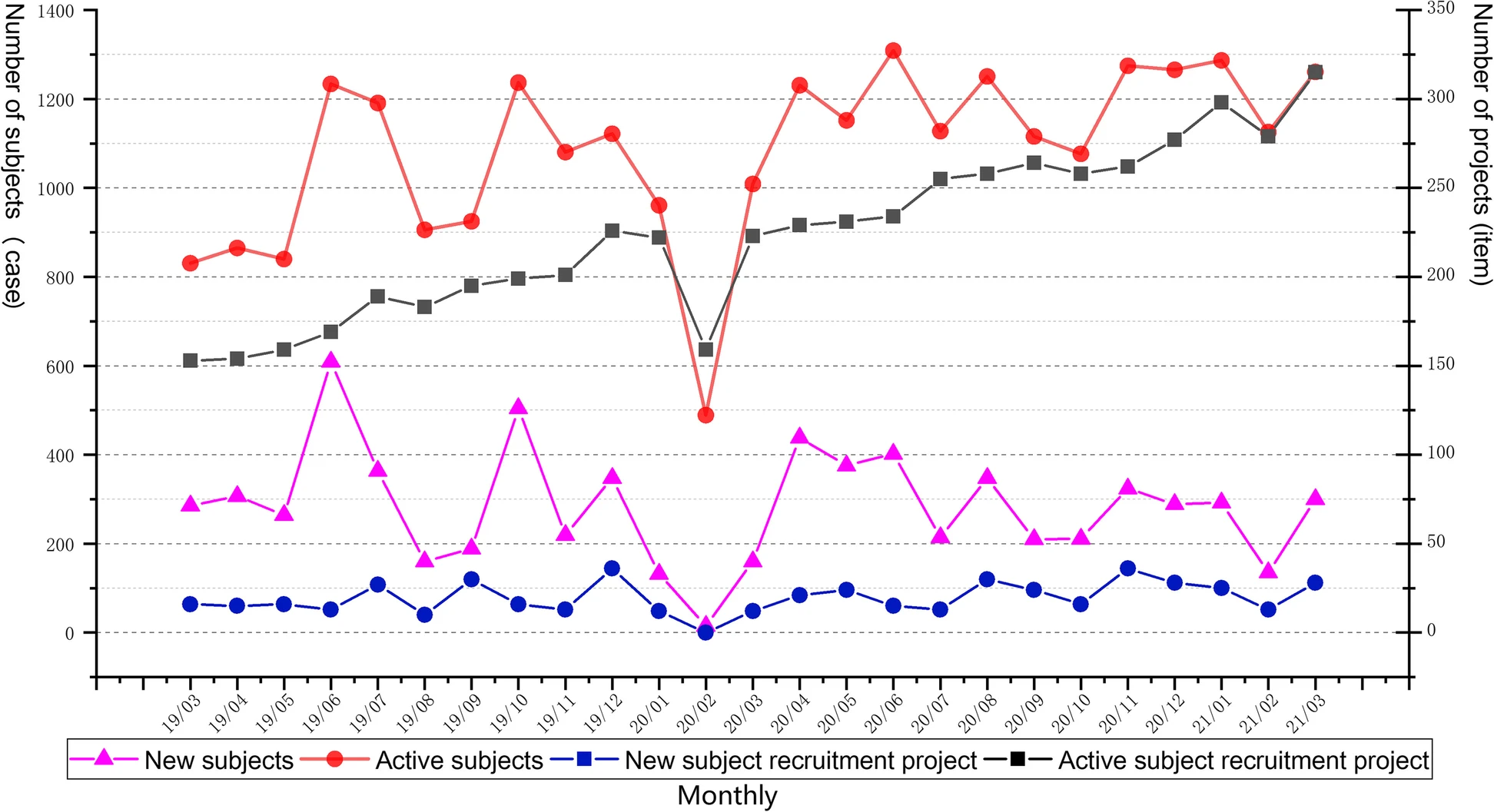
Just as laboratories of all types managing complex workflows and large amounts of test data can benefit from laboratory information management systems (LIMS), similarly do clinical research groups conducting clinical trials benefit from software-based data and workflow management solutions, including the clinical trial management system (CTMS). From more standardized results and documents to more efficient workflows, such clinical systems are a boon to hospitals and research organizations looking to streamline process management for clinical trials. Highlighting this benefit, Shen
et al. present their custom CTMS for the First Affiliated Hospital at Zhejiang University School of Medicine (FAHZU) in this 2023 article published in
BMC Medical Informatics and Decision Making. After a thorough explanation of their system development and implementation, as well as discussion concerning its use, the authors conclude that the FAHZU CTMS "fully realizes the whole-process data management of clinical trials from project approval and review management to operational management," while providing "a variety of access methods to complete efficient data integration with [other] clinical business systems."
Posted on July 6, 2023
By Corinne Jones
Newsletter
July 6, 2023 Laboratory Informatics Weekly Update Volume 21, Issue 27 In This Issue Featured Books LIMS Selection Guide for Food Safety and Quality Featured Content Change Happens: Documenting Your Evolving LIMSLaboratories never stand still. They constantly adapt to internal and external forces of change. Lab managers must anticipate and plan for organizational change to guide their labs’ long-term growth. Properly harnessed, change can become your lab’s competitive advantage. Use your LIMS to eliminate disruptions, embrace technologies, and improve compliance. In turn, your staff will have more time for more productive work while increasing your lab’s testing capacity. [Read…
Posted on July 5, 2023
By LabLynx
Blog

Laboratories never stand still. They constantly adapt to internal and external forces of change. Lab managers must anticipate and plan for organizational change to guide their labs’ long-term growth. Properly harnessed, change can become your lab’s competitive advantage. Use your LIMS to eliminate disruptions, embrace technologies, and improve compliance. In turn, your staff will have more time for more productive work while increasing your lab’s testing capacity.
[Read More]
Posted on July 5, 2023
By CSols Inc.
Blog

Once your lab has adopted an informatics system (or two) and reduced the number of paper processes, you may think that your digital transformation is complete. But there is more that you could do to improve efficiencies and use your lab’s data to inform business decisions. This blog post will help you discover how LIMS integration with other systems and instruments can improve your workflows and boost efficiency, within the lab and across the organization
[Read More]
Posted on July 5, 2023
By Autoscribe Informatics Inc.
Blog

Culture and sensitivity testing is used by veterinary laboratories to determine the presence of potential bacterial pathogens in an animal, and to guide selection of an appropriate antimicrobial treatment. Following identification of potential pathogens, the isolates can be tested for their sensitivity to various antimicrobials. The Matrix Gemini Veterinary LIMS starter system contains a template for a standard Culture and Sensitivity test.
[Read More]
Posted on July 5, 2023
By Labbit
Blog

Commercial off-the-shelf laboratory information management systems (LIMS) often come with pre-built protocols to help labs get up and running quickly. But if your lab solely relies on these pre-built protocols, you’re missing out on efficiencies that could give your business a competitive advantage.
[Read More]
Posted on July 5, 2023
By Adurosys Inc.
Blog

When developing therapeutic antibodies, selecting only the strongest candidates for further clinical development increases the chances of successful clinical trials. The important decision of candidate selection can only be done right with high quality, accessible data from which insights can be easily drawn.
[Read More]
Posted on July 5, 2023
By LabLynx
Blog

Thanks to a new U.S. law, drugs under development no longer need to be tested on animals before being administered to volunteers in human trials. Long-time animal rights advocates have lobbied for this action, while some people working in the pharmaceutical sector have claimed that animal testing may be both expensive and ineffective. What effects will this have on laboratory operations moving forward? What is required in order to adapt to this change?
[Read More]





