Posted on April 3, 2023
By LabLynx
Journal articles
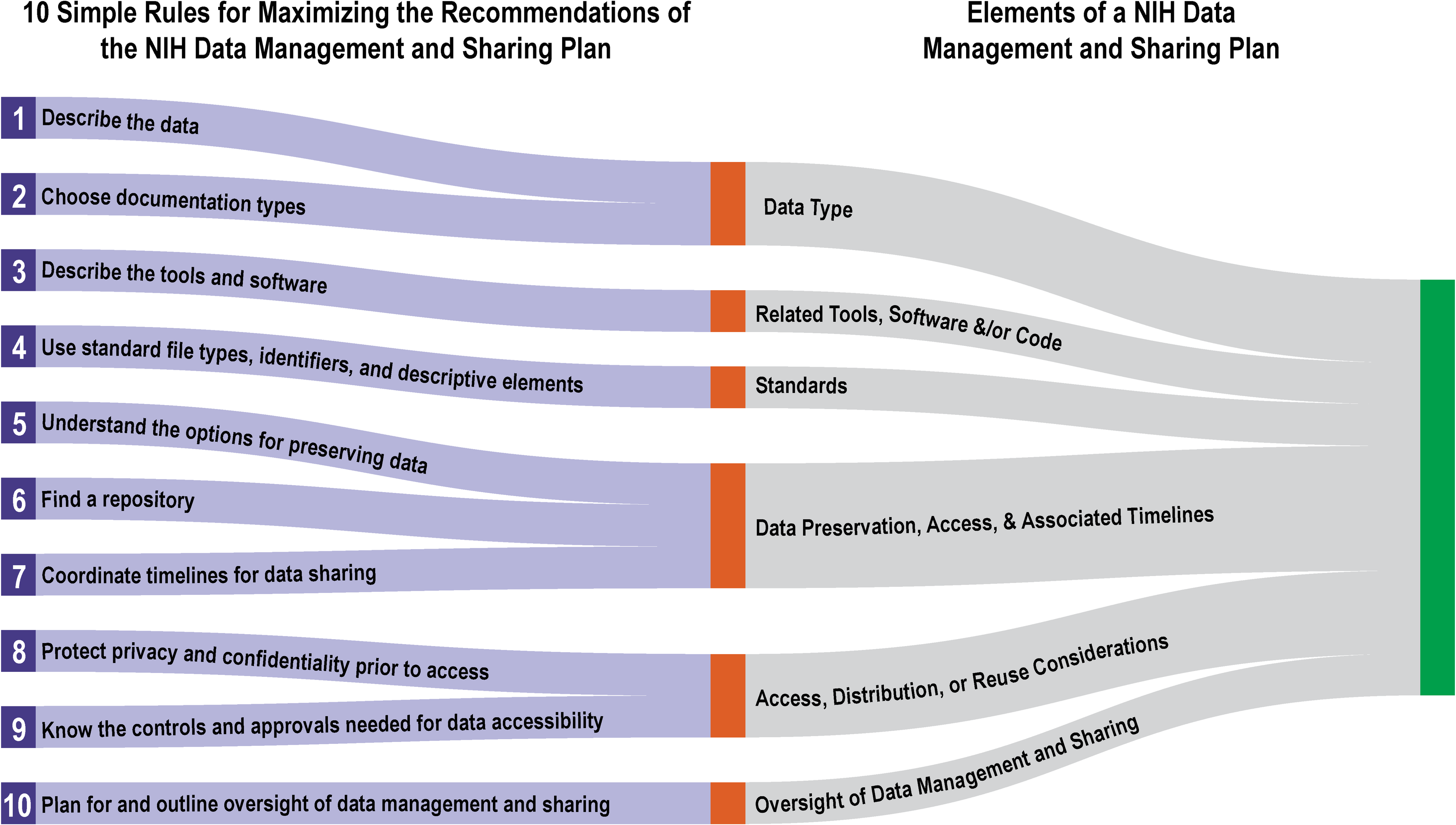
In January 2023, the National Institutes of Health's (NIH's) Policy for Data Management and Sharing came into effect, requiring guidance on elements "for the submission of a data management and sharing plan (DMSP)" for NIH-funded projects. While the NIH created supplementary guidance to developing a DMSP, some ambiguity arguably remained. In this 2022 article published in
PLOS Computational Biology, Gonzales
et al. provide additional insight into the process. After a brief introduction, the authors present 10 helpful tips towards getting the most of a DMSP in complying with the NIH and its requirements. They conclude by examining the various stakeholders involved with the DMSP process and finding that "[g]ood DMSP practices can support better engagement with and accountability to the public who benefit from research."
Posted on March 29, 2023
By Autoscribe Informatics Inc.
Blog

How much should you realistically expect to pay for a LIMS and what are the important factors to consider?
When laboratories start thinking about a laboratory information management system (LIMS) a common question they ask is ‘what is it going to cost?’.
[Read More]
Posted on March 29, 2023
By LabLynx
Blog

Accurate expiration dates on consumer packaging are crucial to keeping the public safe. Expiration dates are calculated using stability studies that determine the shelf life of materials or products. With the importance of stability studies across multiple industries, it is imperative that labs seek a laboratory informatics solution that allows them to operate as efficiently and accurately as possible.
[Read More]
Posted on March 29, 2023
By Agilent
Blog

With Agilent SLIMS software, 'questions become answerable'.
After Implementing Agilent SLIMS, a lab in London says it sees information with 'depth and richness that didn't exist before'.
[Read More]
Posted on March 29, 2023
By L7 Informatics
Blog
 The L7 LIMS app helps in securely managing data (such as sample, patient, sample location, and sample inventory), assigning role-based access to authorized users to this data, generating configurable reports, and enabling organizations to be regulatory-compliant. L7's powerful Workflow Management enables the automation of complex wet lab, genomics, biobanking, and bioinformatics workflows. [Read More]
Posted on March 29, 2023
By Corinne Jones
Newsletter
March 29, 2023 Laboratory Informatics Weekly Update Volume 21, Issue 13 In This Issue Featured Books The Complete Guide to LIMS and Laboratory Informatics Featured Content What is the cost of a LIMS? How much should you realistically expect to pay for a LIMS and what are the important factors to consider? When laboratories start thinking about a laboratory information management system (LIMS) a common question they ask is ‘what is it going to cost?’. [Read More] The Value of Shelf Life and Stability StudiesAccurate expiration dates on consumer packaging are crucial to keeping the public safe. Expiration dates…
Posted on March 28, 2023
By SCC Soft Computer
Blog

SCC's LIMS application is a cloud-based, multi-tenant laboratory information management system which provides many features. This low-cost, configurable solution is designed to provide software support for day-to-day operational automation in clinical, environmental, research, bio banking, and other environments.
[Read More]
Posted on March 28, 2023
By Thermo Fisher Scientific
Blog

Battery manufacturers employ a broad range of pre-production and in-process analysis and quality testing techniques, to assure the quality and purity of raw and in-process materials, and ultimately the safety and quality of the battery. SampleManager software supports every part of battery manufacturing, from the extraction and processing of raw materials, to quality assurance in the production line, to the research and development of the next generation of batteries.
[Read More]
Posted on March 28, 2023
By onQ Software
Blog

Introduction to the LIMS is a crucial aspect of modern laboratory management. In this article, we will provide a summary of the introduction to the LIMS by discussing its key benefits, exploring its functionalities, highlighting its applications across different laboratories, and offering guidance on how to choose the right LIMS provider for your organisation.
[Read More]
Posted on March 28, 2023
By Agaram Technologies
Blog

Cloud computing brings a number of attributes that require major attention when it comes to trusting the system. There are three major potential threats in cloud computing, namely, security, privacy, and trust. Security plays a critical role in the current era of long dreamed vision of computing as a utility.
[Read More]
Posted on March 28, 2023
By LabLynx
Blog

Climate change has the potential to damage marine ecosystems, leaving coastal regions with diminished food supplies and economic instability. The LabLynx ELab LIMS for environmental laboratories enables labs to schedule and manage sample collection, allows for chain of custody tracking, and produces quality control charts and reports.
[Read More]
Posted on March 27, 2023
By LabLynx
Journal articles
In this 2022 journal article published in
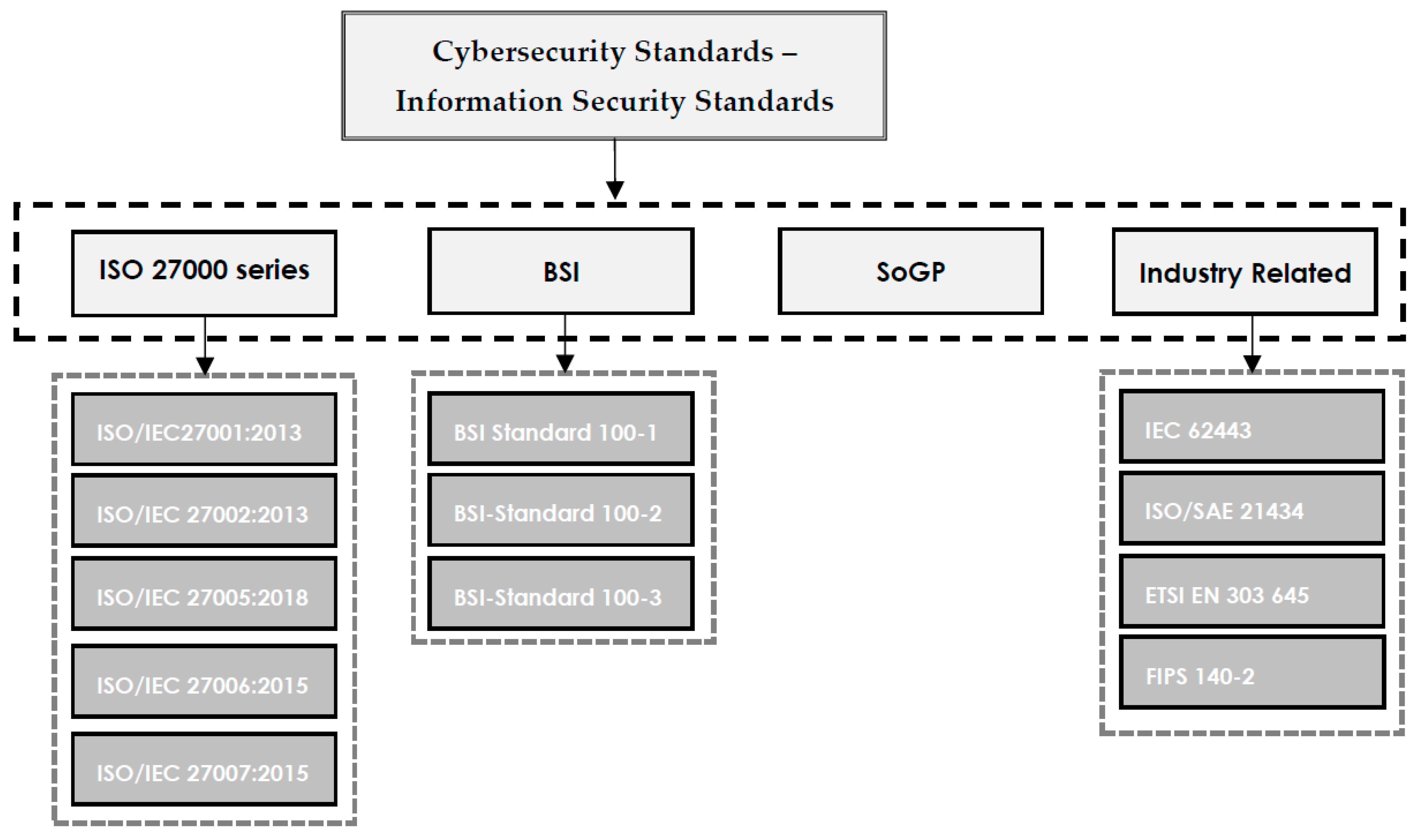
Electronics, University Canada West's Hamed Taherdoost presents a narrative literature review of a variety of cybersecurity standards and frameworks as a means to "help organizations select the cybersecurity standard or framework that best fits their cybersecurity requirements." After providing a brief introduction, Taherdoost speaks generally about cybersecurity standards and frameworks, and what they help organizations of all types achieve with their own cybersecurity. The author then goes into greater detail of those standards and frameworks, as well as their supporting documentation. Taherdoost then presents the methodology for his literature review, followed by a discussion of the results of that review. The author concludes that the presented standards and frameworks help organizations "ensure the security of data against cyber threats," though one standard or framework "may not fulfill all the demands of an organization, and it may be necessary to employ a combination of standards in order to ensure security against cyber threats and data loss."





