Posted on March 14, 2023
By CSols Inc.
Blog
 Data visualization
is a crucial element of any life science work, and it is especially important in communicating the work coming out of labs. The ability to explore and mine complex datasets is essential for communicating meaningful conclusions. Life sciences researchers rely on a variety of data visualization tools to help them analyze and interpret their data, including graphs, charts, and other more complex digital representations like artificial neural networks (ANN) and machine learning (ML). In this blog post, we’ll discuss four common data visualization techniques.
[Read More]
Posted on March 14, 2023
By LabLynx
Blog

Starting and operating a laboratory is a vast and challenging undertaking. The right tools and equipment for a laboratory's purpose are essential to the operation. But there is no instrument more valuable than a well-designed laboratory information management system (LIMS) customized to fit your lab's unique workflows and data management procedures.
[Read More]
Posted on March 14, 2023
By LabLynx
Blog

Metallurgy is a branch of science and technology concerned with the properties of metals and their production and purification. Nearly every item you use contains metal components that have been tested and approved by a metallurgical lab. LabLynx understands the needs of a metallurgy lab and offers a LIMS software solution that adapts to each lab’s unique practices.
[Read More]
Posted on March 14, 2023
By Astrix Technology Group
Blog

Today Pharmacovigilance has gone through what some would call a revolution. That’s due in large part to the technology that companies are implementing within their safety systems. Many companies are assessing their case intake system. We at Astrix are assisting many companies with their projects and whether it’s helping them with their RFP’s, or with their implementations.
[Read More]
Posted on March 14, 2023
By Thermo Fisher Scientific
Blog

The way you capture and store scientific data and how you manage all the elements of the lab, is crucial to advancing research and driving quality products. A LIMS solution can help streamline lab processes and provide quality control in a fully validated environment, to support the growth of your lab business.
[Read More]
Posted on March 14, 2023
By Agaram Technologies
Blog

GxP is a general abbreviation for the "Good Practice" quality guidelines and regulations. The “G” stands for Good "x" stands for various fields, including the pharmaceutical, life-sciences, agricultural, clinical, laboratory, manufacturing and food industries. The purpose of the guidelines is to ensure that the regulated organizations comply with the standard processes of various functions.
[Read More]
Posted on March 14, 2023
By Astrix Technology Group
Blog

You’ve finally decided to move on from your current job and accept a new job offer. Congratulations! Now comes the hard part—you need to tell your boss. Surprisingly, they come back with a counteroffer. A counteroffer from your current employer can be tempting, especially if it includes a higher salary or other incentives. However, there are some important considerations to keep in mind before accepting the offer.
[Read More]
Posted on March 13, 2023
By LabLynx
Journal articles
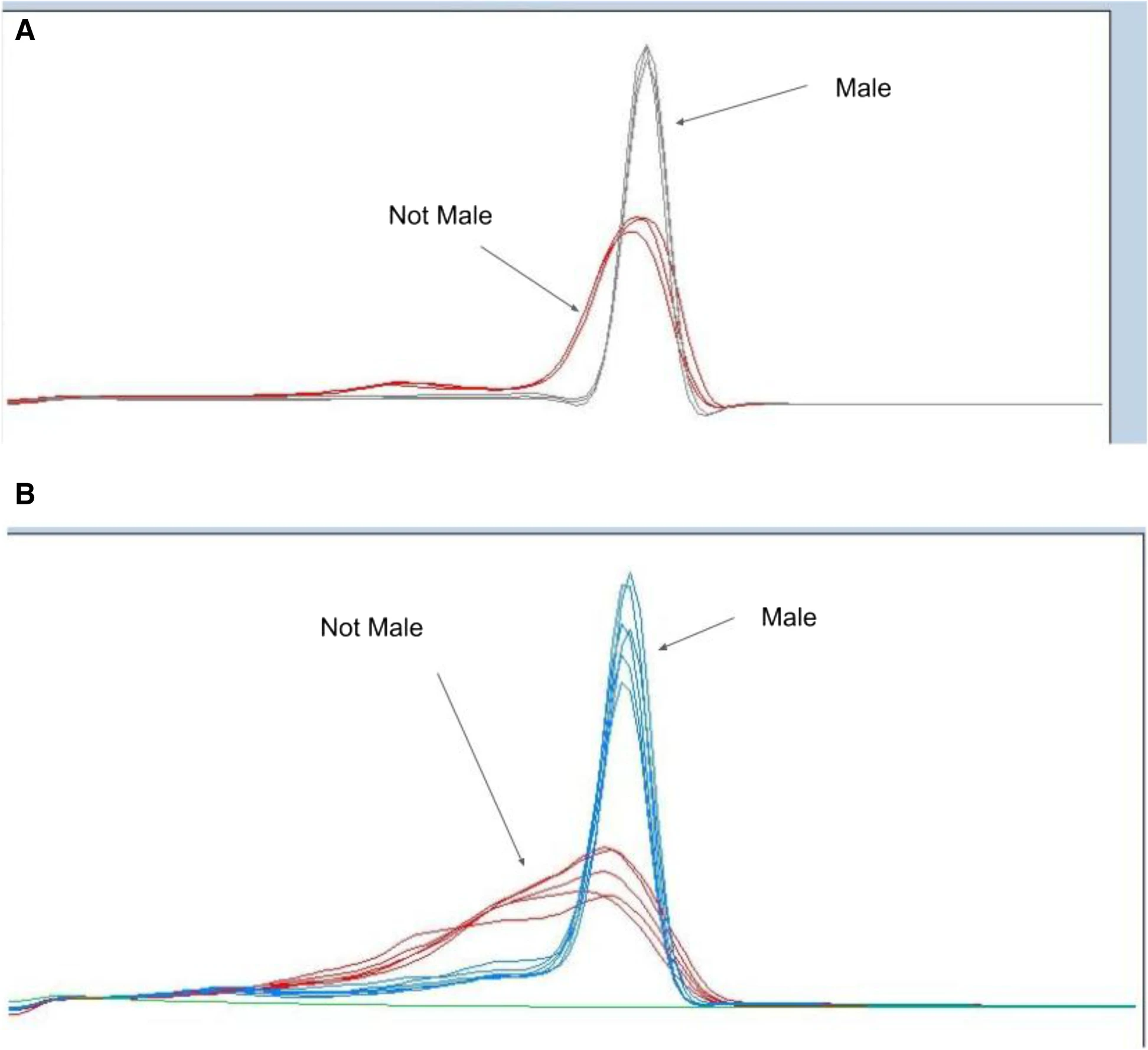
Genotyping of
Cannabis sativa is a useful component of not only gender identification of plants for cultivators but also other types of laboratory testing and research of
Cannabis. Performing such tests in a reliable, cost-effective, and high-performance way has significant value for
Cannabis testing laboratories. In this 2022 journal article, Torres
et al. compare a number of different genotyping techniques, ultimately demonstrating some of that value. After providing background information and their methodology, the authors discuss the results of gender testing using a wide array of genotyping techniques. They conclude that "the multiple methodologies presented here allow for accurate, quick, and cost-effective screening that will enable future development of germplasm and the industry." They add that their "real-time assays can be performed by cannabis testing laboratories performing diagnostic testing, as well as in the field with minimal molecular biology equipment and expertise."
Posted on March 8, 2023
By LabLynx
Blog

Testing in the food and beverage industry has been primarily centered on detecting microbial and chemical contaminants. These types of tests are vital to the general consumer, as these contaminants can cause illness outbreaks if not detected promptly. However, in the last two decades, food safety and testing labs find themselves not only testing for contaminants but also for food allergens.
[Read More]
Posted on March 8, 2023
By Astrix Technology Group
Blog

There are many benefits of implementing an end-to-end Regulatory Information Management (RIM) system including the impact on regulatory compliance, speed to market, and revenue. A robust RIM solution can optimize collaboration and streamlined processes driving higher quality work, faster. However, to reap these benefits, organizations need to ensure they have a strategy in place as they embark on this journey.
[Read More]
Posted on March 8, 2023
By L7 Informatics
Blog

L7 Informatics Inc. is excited to unveil the L7|HUB, a groundbreaking application that is set to revolutionize the way scientists collaborate and share digital scientific content, including data models, instrument connectors, manufacturing recipes, workflows, and many more.
Current systems often fall short when it comes to collaboration and managing and sharing digital scientific content in a robust and repeatable manner. The L7|HUB changes that by providing scientists with an easy way to collaborate and share digital scientific content with their peers, colleagues, and trading partners.
[Read More]
Posted on March 8, 2023
By Agaram Technologies
Blog

Although
laboratory information management software (LIMS) automatically brings plenty of unique benefits to laboratories, like any technology, they become obsolete over time. Inevitably, a better version of it will be made available after multiple iterations, which will make it necessary to upgrade it in the future.
[Read More]





