Posted on February 28, 2023
By onQ Software
Blog

OnQ Software has a special interview with Jonathan Gannoulis that focuses on the journey to releasing the
QLIMS platform. In part one, we got an inside look at the introduction, initial stages, and journey that led to the creation of QLIMS. In part two, we will dive into how OnQ Software translated its principles into a product, resulting in a LIMS system that revolutionizes laboratory management.
[Read More]
Posted on February 28, 2023
By Agaram Technologies
Blog

Test result entry and report generation are two important aspects of laboratory operations. Unfortunately, it is the dire reality that many labs struggle to get both done. Agaram Technologies’ Logilab ELN provides a more efficient way to execute & automate test result entry & report generation in the lab. Here’s a quick overview of how result entry and reporting become easier with Logilab ELN implemented.
[Read More]
Posted on February 28, 2023
By Astrix Technology Group
Blog

LinkedIn is a powerful tool for connecting with recruiters, hiring managers, and potential scientific industry customers. Creating a profile that accurately reflects your expertise, experience, and qualifications is essential. Here are some steps for crafting the perfect LinkedIn profile as a life science professional.
[Read More]
Posted on February 27, 2023
By LabLynx
Journal articles
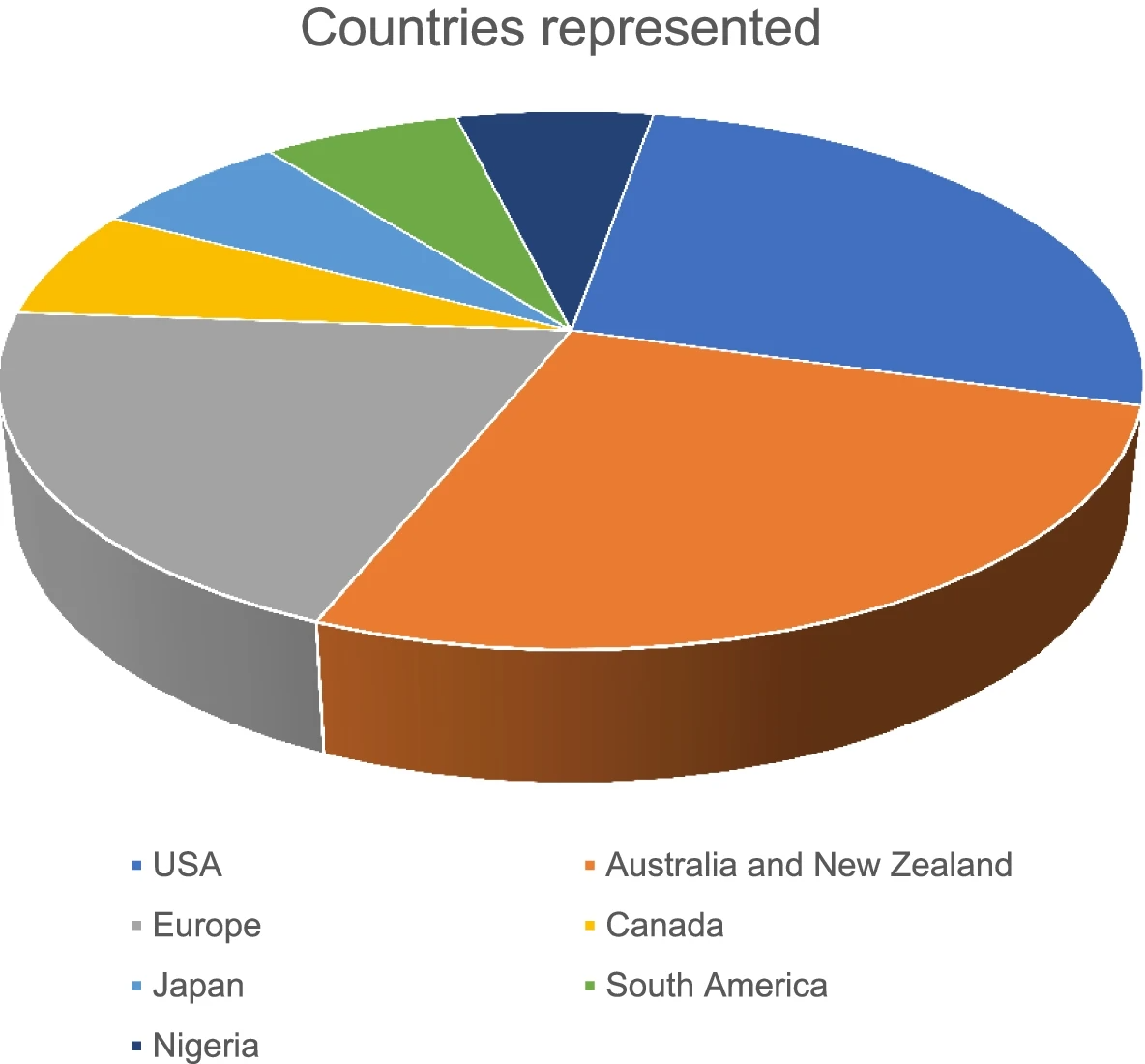
In this 2022 paper published in the
Egyptian Journal of Forensic Sciences, Prahladh and van Wyk provide a first-of-its-kind comprehensive scoping review of "articles involving unnatural deaths, focused on data practice or data management systems, relating to forensic medicine, all study designs, and published in English," with the goal of being able to draw conclusions about the current academic view of forensic data management. After examining more than 23,000 articles, the authors were only able to find 16 that met their criteria, according to their stated methodology. After a thorough review of those 16 articles, the duo concludes that "the literature shows that electronic data reporting systems are relevant and were developed from the recognition of coronial data as not only a part of the death investigation but as a contributor to preventable death research and public health initiatives." However, there are few lower- and middle-income countries (LMICs) represented in the study, and the authors believe that given how "forensic medicine departments can utilize simple and available tools that can advance standardization of data collection, storage, and reporting," it would behoove more LMICs to consider pilot systems such as "the Nigerian pilot program [that] still managed to contribute to statistically relevant data for impactful research" while using low-cost and readily available data management tools.
Posted on February 22, 2023
By LabLynx
Blog

Textile manufacturing depends heavily on laboratory testing to both monitor production and help ensure product quality. That requires fast access to information and the ability to generate reports that are meaningful to management, production personnel, and customer support specialists. Through its workflow management, results management, audit trail, and regulatory support functionality, a LIMS system can provide the support textile companies need to streamline lab operations and make it easier to produce, manage, access, and utilize lab data and information while reducing labor costs.
[Read More]
Posted on February 22, 2023
By L7 Informatics
Blog
 The need for better organization of laboratory operations is well known. While today’s selection of commercial laboratory information management systems (LIMS) is a good start to organizing and running a lab, these solutions are only geared toward the management of wet lab operations. Existing solutions are inefficient for data-intensive laboratory operations that require significant bioinformatic data analyses. Therefore, in labs already burdened with the inefficiencies caused by unlinked functional silos, current LIMS solutions do nothing to resolve inefficiencies, and worse, laboratory operations remain fragmented. [Read More]
Posted on February 22, 2023
By LabLynx
Blog

Customer satisfaction continues to fall below the levels seen during the height of the COVID-19 pandemic. A recent study found that 53 percent of US consumers have cut spending after having a bad customer service experience with a company, and 60 percent said they would spend more with a company if they had a better customer relationship. Per the same study, businesses across the globe stand to lose nearly $4.7 trillion in revenue due to poor customer engagement. Customers should not settle for an automated chatbot, after-hours answering service, or sitting on hold for an hour listening to Kenny G.
[Read More]
Posted on February 22, 2023
By Astrix Technology Group
Blog

Astrix participated in the
SCOPE Summit 2023 as a Corporate Sponsor. The conference took place from February 6 to 9, 2023 in Orlando, FL at the Rosen
Shingle Creek hotel. It was four stimulating days of in-depth discussions. There were 28 different tracks, 3 plenary keynote sessions, special cross-department panels, and interactive breakout discussions.
[Read More]
Posted on February 22, 2023
By onQ Software
Blog

The laboratory informatics space has been challenged to create a functionally competent and technically advanced LIMS. R&D and QA/QC laboratories are trying to solve this complex problem. At this point, the AI-based model disrupts the old approach to LIMS and enables a configuration that is driven by the user and operates independently. OnQ Software has a special interview with Jonathan Gannoulis that focuses on the journey to releasing the
QLIMS platform.
[Read More]
Posted on February 22, 2023
By Agaram Technologies
Blog

ISO 15189 is an international standard, prepared the International Organization for Standardization (popularly referred to as ISO, which brings together a worldwide federation of national standardization bodies to formulate standards), that specifies requirements for competence and quality that are specific for medical laboratories to meet both the technical competence and management system requirements necessary for delivering consistent technically valid results.
[Read More]
Posted on February 22, 2023
By Corinne Jones
Newsletter
February 22, 2023 Laboratory Informatics Weekly Update Volume 21, Issue 8 In This Issue Featured Books LIMS Selection Guide for ISO/IEC 17025 Laboratories Featured Content 02/22/2023 - Laboratory Informatics in the Textile Manufacturing IndustryTextile manufacturing depends heavily on laboratory testing to both monitor production and help ensure product quality. That requires fast access to information and the ability to generate reports that are meaningful to management, production personnel, and customer support specialists. Through its workflow management, results management, audit trail, and regulatory support functionality, a LIMS system can provide the support textile companies need to streamline lab operations and…
Posted on February 21, 2023
By LabLynx
Journal articles
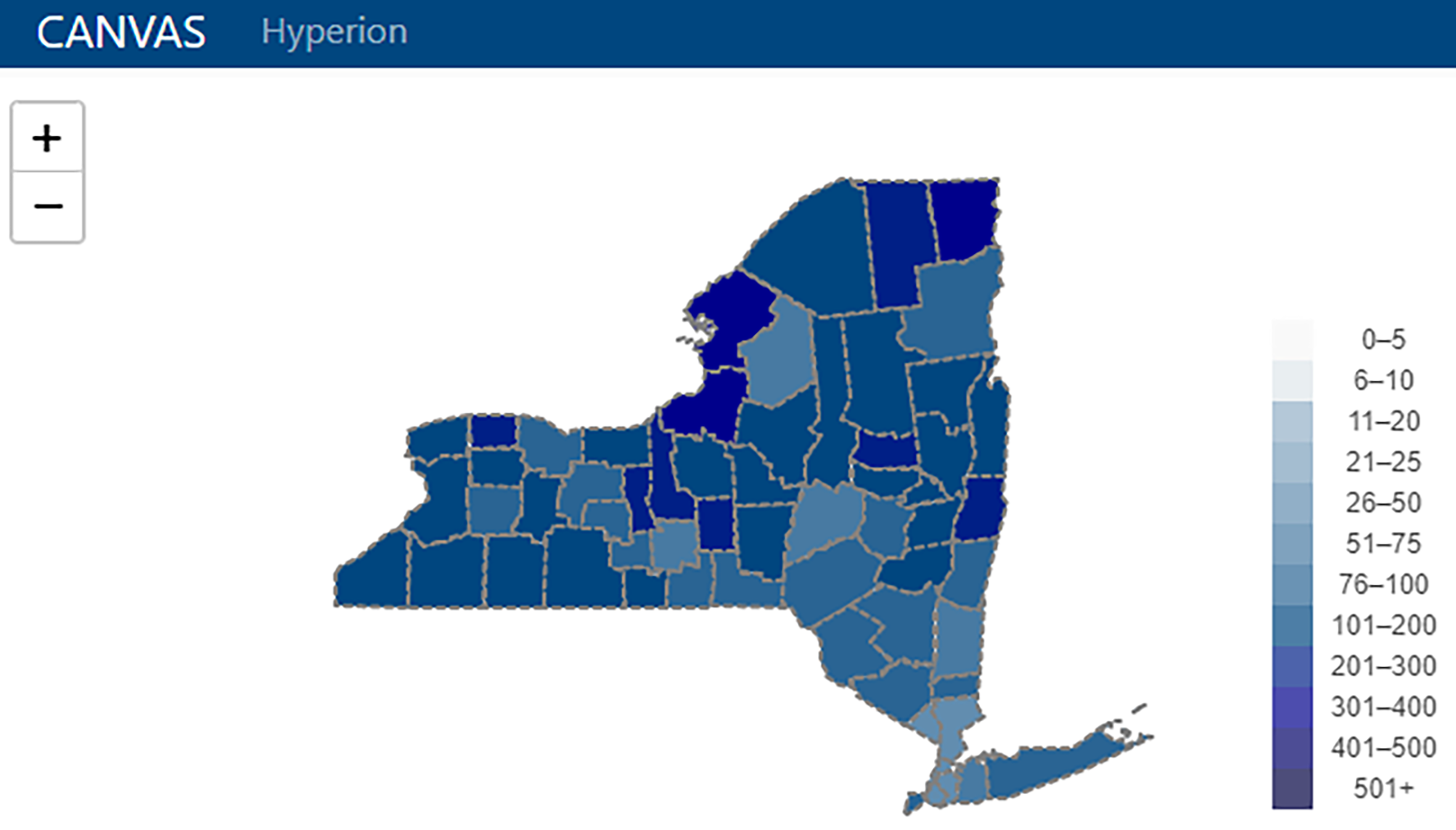
From disparate pools of data and information to inefficiencies in using that disparate data and information, the academic cancer center wishing to operate more effectively while improving patient outcomes and enabling more impactful research must turn to well-implemented data management systems and integrations. The University of Rochester Medical Center's James P. Wilmot Cancer Institute (WCI) was no exception to this greater need, turning to developing a custom data management platform called Hyperion to meet their needs. In this 2022 paper published in
PLOS Digital Health, key stakeholders of Hyperion at WCI present the background on cancer center data management, as well as their methods in developing and results in using Hyperion. They follow this with discussion of their results, concluding that "Hyperion has surmounted large challenges in working with healthcare data to merge, organize, validate, and package data for use in multiple applications" at WCI, while also "lowering the skill floor for interaction with and maintenance of the software, reducing costs, and encouraging user autonomy." They add that a similar such system, from their viewpoint, could provide similar benefits in other academic cancer centers.





