Metabolomic analysis of cannabinoid and essential oil profiles in different hemp (Cannabis sativa L.) phenotypes
 Noting a dearth of published research on "cannabinoid and terpenoid profiles in different hemp phenotypes within the same variety," Eržen et al. of the Slovenian Institute of Hop Research and Brewing and the University of Ljubljana took matters into their own hands and conducted such a study. The researchers examined 11 phenotypes from three different Cannabis varieties: Carmagnola Selected (CS), Tiborszallasi (TS), and Finola Selection (FS). Their objective? They intended "to establish a connection between the chemical composition and morphological characteristics of hemp plants and to identify phenotypes with an interesting ratio between cannabinoids for further pharmaceutical applications." After providing background and reasoning for selecting their varieties, the authors discuss the results of their chemical analyses as well as the materials and methods they used. The authors conclude by summarizing their findings, including specific phenotypes that could be prime targets for further cannabis pharmaceutical research.
From Paper to Digital: How One Molecular Pathology Lab Upgraded its Informatics
 A lab’s informatics system is critical for its effective operation. As labs develop new tests and ramp up throughput, a robust informatics system becomes increasingly necessary. In a highly regulated environment where reproducibility and accuracy are of utmost importance, paper isn’t a good option for tracking sensitive data.
[Read More]
The Origins of Computer System Validation
 What does Silly Putty have in common with Computer System Validation (CSV)? A thought-provoking question, but one that points out how much we don’t know about the origins of many things we use daily.
[Read More]
The Changing Landscape of COVID-19 — What’s Next? Part 1 in a Series
 The United States is reaching a transition point in the COVID-19 pandemic due to a rise in the SARS-CoV-2-immune population (via vaccination or infection) and the onset of warmer weather.
[Read More]
Smart Labs, Automation & Technology Summit in Review
 Strateos was pleased to take part in the 2021 Smart Labs, Automation & Technology Virtual Summit held on May 19th where we engaged with industry leaders to talk about leveraging laboratory automation to increase data quality and volume to improve workflow efficiencies.
[Read More]
Case Study: LabVantage LIMS Functional Expansion in a Rapidly Expanding Biotechnology Company
 A rapidly expanding biotech company focused on drug discovery and drug development for vaccines, oncology and other diseases was using LabVantage LIMS in its analytical development and quality control laboratories. [Read More]
Laboratory Informatics Weekly Update – Volume 19, Issue 24
June 16, 2021 Laboratory Informatics Weekly Update Volume 19, Issue 24 In This Issue Featured Books Past, Present, and Future of Cannabis Laboratory Testing and Regulation in the United States Featured Content 06/16/2021 - The Origins of Computer System ValidationWhat does Silly Putty have in common with Computer System Validation (CSV)? A thought-provoking question, but one that points out how much we don’t know about the origins of many things we use daily. [Read More] 06/16/2021 - The Changing Landscape of COVID-19 — What's Next? Part 1 in a Series The United States is reaching a transition point in the…Development and implementation of an LIS-based validation system for autoverification toward zero defects in the automated reporting of laboratory test results
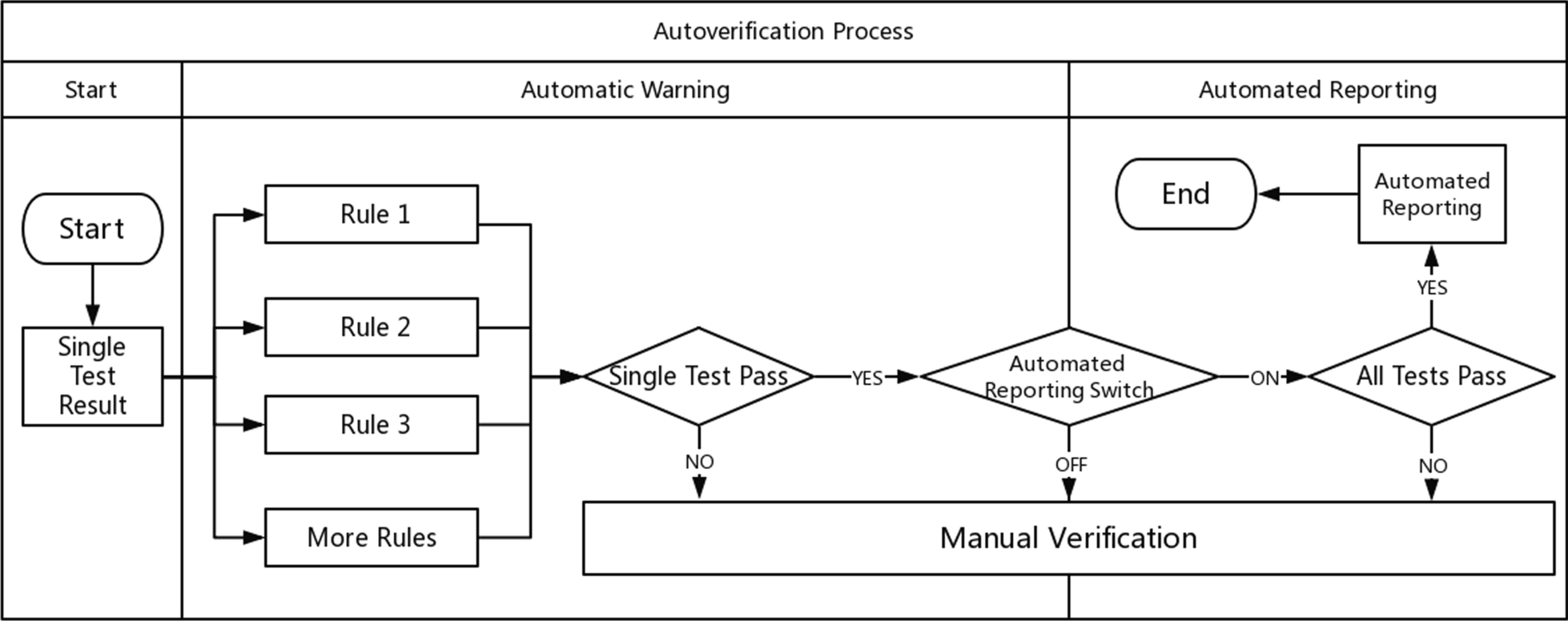 In this 2021 paper published in BMC Medical Informatics and Decision Making, Jin et al. discuss an autoverification and validation system they implemented in their laboratory information systems (LIS) to decrease validation workloads and reduce reporting risks in their healthcare systems. Using a human-machine dialog approach, the authors developed and implemented their autoverification system so that it could record personnel review steps and determine whether the human–machine review results are consistent, while also allowing laboratory personnel to tweak the system further for improved autoverification accuracy. After describing their system in detail, the authors present the results of their two years of use with the system, noting that "in the two years that our online validation has been in use, there have never been any defects or reporting risks due to autoverification" while at the same time enjoying more efficient laboratory verification.
Communication Strategies to Combat Change Fatigue
 The phrase “the only constant is change” may be an understatement for what our labor force has been experiencing since 2020. The COVID-19 pandemic ushered in dramatic changes to the ways in which we both work and live.
Sunquest Case Study – Frederick Health Hospital Meritus Medical Center UPMC Western Maryland Hospital

Three hospitals. One solution. Millions saved.
Learn how a large, Maryland-based lab network has saved millions of dollars sharing and insourcing tests via Sunquest Multi-Lab Networking. [LEARN MORE]
Laboratory Informatics Weekly Update – Volume 19, Issue 23
June 9, 2021 Laboratory Informatics Weekly Update Volume 19, Issue 23 In This Issue Featured Books The Complete Guide to LIMS and Laboratory Informatics: 2021 Edition Featured Content 06/09/2021 - Communication Strategies to Combat Change FatigueThe phrase “the only constant is change” may be an understatement for what our labor force has been experiencing since 2020. The COVID-19 pandemic ushered in dramatic changes to the ways in which we both work and live. [Read More] 06/09/2021 - Sunquest Case Study - Frederick Health Hospital Meritus Medical Center UPMC Western Maryland HospitalThree hospitals. One solution. Millions saved.Learn how a large,…Emerging and established trends to support secure health information exchange
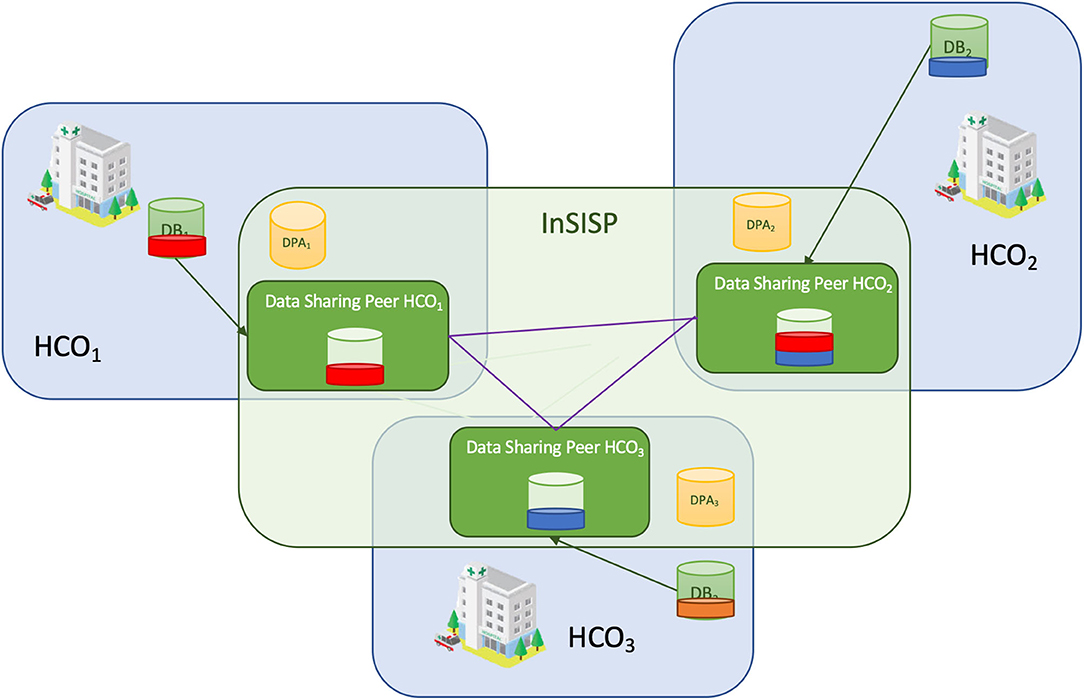 In this 2021 article published in Frontiers in Digital Health, Spanakis et al. describe their research efforts towards the development of a more advanced way of securely transmitting and sharing sensitive healthcare data, including by use of blockchain and cloud computing. They first provide background on interoperability and data sharing in healthcare and the challenges that face such activities. This background also includes discussion of an interoperability framework in the European context and how it could be applied to their research. The authors then discuss the current status of standards-based health data exchange and how blockchain fits into that picture. They then propose their Innovative Secure Information Sharing Platform (InSISP), which is "able to support a fast and efficient medical information sharing at both national and cross-national levels, taking into account sharing constraints, including those imposed by the General Data Protection Regulation (GDPR)." Afterwards, they summarize their recommendations based on their InSISP, concluding that their platform has the potential improve healthcare data sharing and transmission, though not without challenges in addressing blockchained healthcare data in the scope of GDPR, as well as the overall complexity and heterogeneity of big healthcare data and the problems that arise.