Posted on December 5, 2017
By CSols Inc.
Blog
Let’s explore some of the holiday planning and preparation tactics that can be leveraged to help make your LIMS project a true celebration.
Posted on December 4, 2017
By Shawn Douglas
Journal articles
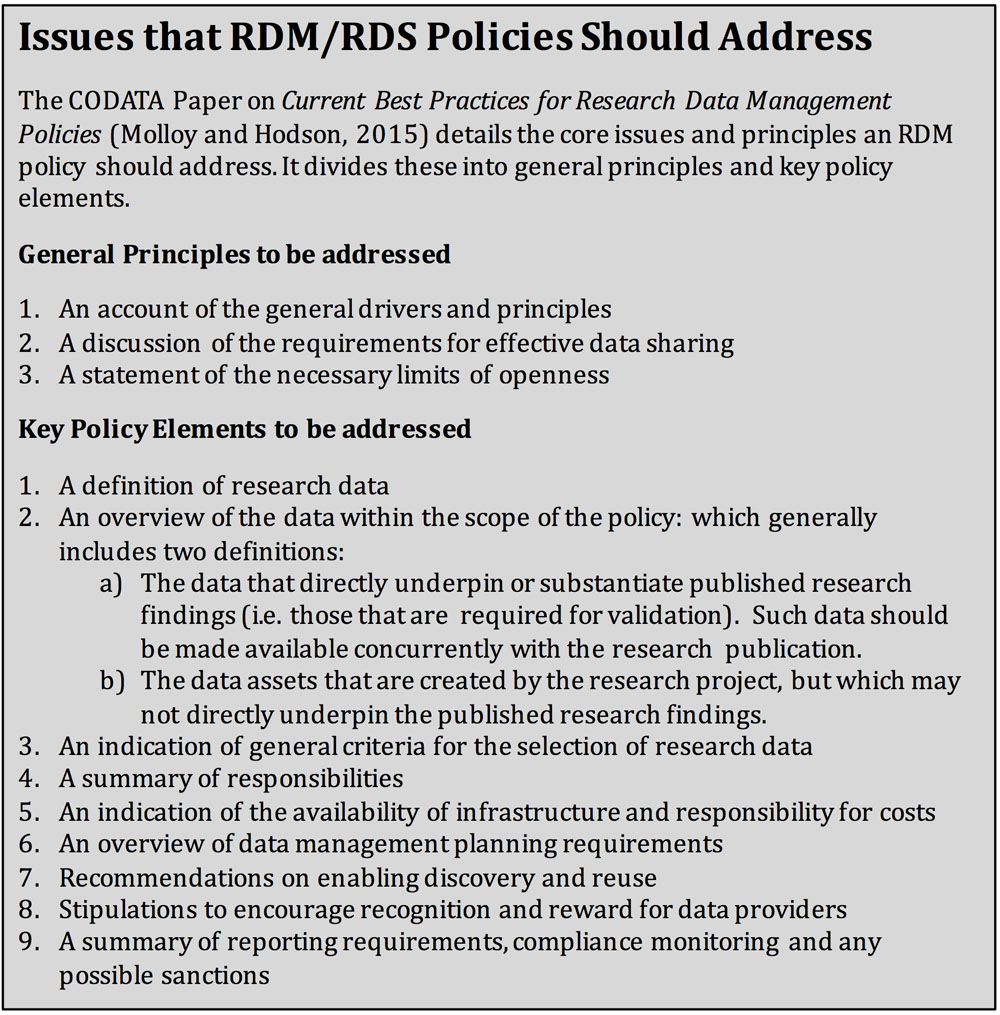
In this 2017 paper by Curtin University's Cameron Neylon, the concepts of research data management (RDM) and research data sharing (RDS) are solidified and identified as increasingly common practices for funded research enterprises, particularly public-facing ones. But what of the implementation of these practices and the challenges associated with them? Neylon finds more than expected in his study, identifying sharp contrast among "those who saw [data management] requirements as a necessary part of raising issues among researchers and those concerned that this was leading to a compliance culture, where data management was seen as a required administrative exercise rather than an integral part of research practice." Neylon concludes with three key recommendations for researchers in general should follow to further shape how RDM and RDS are approached in research communities.
Posted on November 29, 2017
By Smith Walker
Blog
Cannabis, also known as marijuana, is a flowering plant indigenous to Central and South Asia. The plant has been valued since ancient times for its psychoactive, medicinal, and fibrous properties. With the increasing legalization of both recreational and medical cannabis, there is a need for robust and reliable cannabis analytical testing to ensure consumer safety and potency.
Posted on November 29, 2017
By Genohm
Blog
Virtually every corner of our life is touched by ISO standards. What began as a method for standardizing weights and measures has evolved into both a philosophy and a series of processes that maintain quality in just about everything we encounter on a day to day basis. Our health and safety, the food we eat, the cars we drive, the toys our children play with, the medical devices at the local hospital, the environment around us — they are all impacted in one way or another by the governing principle behind ISO: maintaining the reliability and efficiency of products and services in our lives.
Posted on November 29, 2017
By Corinne Jones
Newsletter
November 29, 2017 Laboratory Informatics Weekly Update Volume 15, Issue 45 In This Issue Webcast Focus DECEMBER 6, 2017, 2:00 PM EST: CSols and LabVantage: Defining the Value of Integrating Instruments In one hour, learn how to realize the benefits of instrument integration with your LabVantage LIMS. Join our group of experts as we discuss LIMS instrument integration approaches and techniques. Understand how you can start on the path to improved quality and productivity in your laboratory now! NOVEMBER 30 @ 1:30 pm - 2:30 pm EST: A Guide for Management: Successfully Applying Laboratory Systems to Your Organization’s Work Part…
Posted on November 27, 2017
By Shawn Douglas
Journal articles
This brief review article from early 2017 looks at the basic elements of public health informatics and addresses how they're implemented. Aziz compares paper-based surveillance systems with electronic systems, noting the various improvements and challenges that have come with transitioning to electronic surveillance. He also reviews how public health informatics is applied in the U.S. and other parts of the world, including Saudi Arabia. Aziz concludes that "[p]atients, healthcare professionals, and public health officials can all help in reshaping public health through the adoption of new information systems, the use of electronic methods for disease surveillance, and the reformation of outmoded processes."
Posted on November 21, 2017
By Shawn Douglas
Journal articles
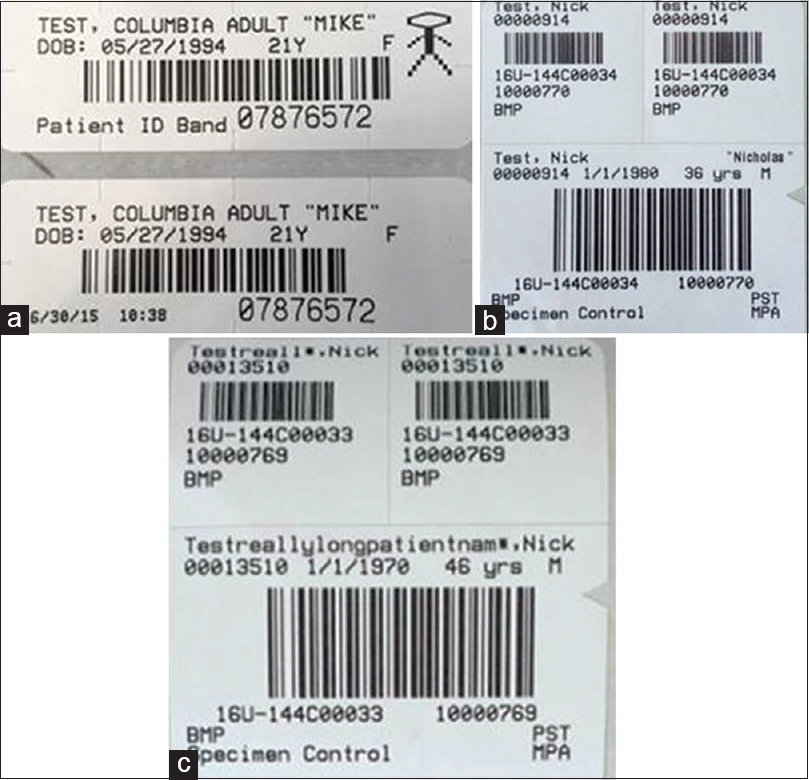
In this technical note from the University of Iowa Hospitals and Clinics, Imborek
et al. walk through the benefits and challenges of evaluating, implementing, and assessing preferred name and gender identity into its various laboratory systems and workflows. As preferred name has been an important point "in providing inclusion toward a class of patients that have historically been disenfranchised from the healthcare system" — primarily transgender patients — awareness is increasing at many levels about not only the inclusion of preferred name but also the complications that arise from it. From customizing software to billing and coding issues, from blood donor issues to laboratory test challenges, the group concludes that despite the "major undertaking [that] required the combined effort of many people from different teams," the efforts provide new opportunities for the field of pathology.
Posted on November 15, 2017
By Shawn Douglas
Journal articles
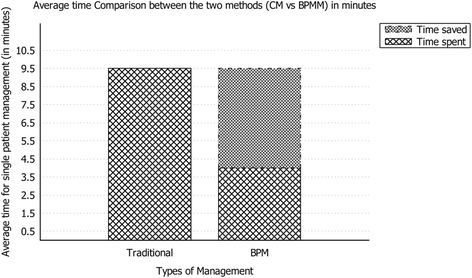
Sure, there's plenty of talk about big data in the research and clinical realms, but what of smarter data, gained from using business process management (BPM) tools? That's the direction Andellini
et al. went in after looking at the kidney transplantation cases at Bambino Gesù Children’s Hospital, realizing the potential for improving clinical decisions, scheduling of patient appointments, and reducing human errors in workflow. The group concluded "that the usage of BPM in the management of kidney transplantation leads to real benefits in terms of resource optimization and quality improvement," and that a "combination of a BPM-based platform with a service-oriented architecture could represent a revolution in clinical pathway management."
Posted on November 15, 2017
By Autoscribe Informatics Inc.
Blog
Matrix Scheduler is an optional module for the Matrix Gemini LIMS (Laboratory Information Management System) from Autoscribe Informatics. Users can automatically schedule reports, worklists, registration of samples and more. In this way activities can be managed more efficiently and significant savings in staff time can be made.
Posted on November 15, 2017
By Corinne Jones
Newsletter
November 15, 2017 Laboratory Informatics Weekly Update Volume 15, Issue 44 In This Issue Webcast Focus NOVEMBER 30 @ 1:30 pm - 2:30 pm EST: A Guide for Management: Successfully Applying Laboratory Systems to Your Organization’s Work Part 2 When you are considering lab informatics and automation projects, someone is going to ask “what is the return on the investment you’re asking for?”. How do you answer them? That is the purpose of this webinar, the second in this series entitled A Guide for Management: Successfully Applying Laboratory Systems to Your Organization’s Work. NOVEMBER 21, 2017, 16:00 (GMT +01:00): Stop…
Posted on November 9, 2017
By CSols Inc.
Blog
Why is there still such a debate raging between the use and benefits of SAP QM vs. LIMS? Is it a technical issue? A political/control issue? Or is it purely a cost issue? Let’s discuss these points and attempt to determine the true root cause of this debate.
Posted on November 8, 2017
By LabLynx
Blog
I think this is something that has been needed for a while for chemists. Here is the journal article from the Journal of Cheminformatics: https://www.limsforum.com/chemotion-eln-an-open-source-electronic-lab-notebook-for-chemists-in-academia/70707/





