Posted on April 20, 2016
By Corinne Jones
Newsletter
April 20, 2016 Laboratory Informatics Weekly Update Volume 14, Issue 16 In This Issue Webcast Focus Multi-site LIMS Harmonization Webinar - April 28th - 10am EDT / 3pm BST / 4pm CET Ensuring that a centrally-served, browser-accessed LIMS is used to its fullest potential in a multi-site deployment requires a systematic harmonization across all laboratory enterprise sites. This webinar will explore the process for capturing current state workflows and projecting future state improvements and harmonization across distributed locations and work groups. Key LIMS Features that Increase the Return on Your Investment Webinar - April 26th - 12pm ET. Forensic science…
Posted on April 19, 2016
By John Jones
Journal articles
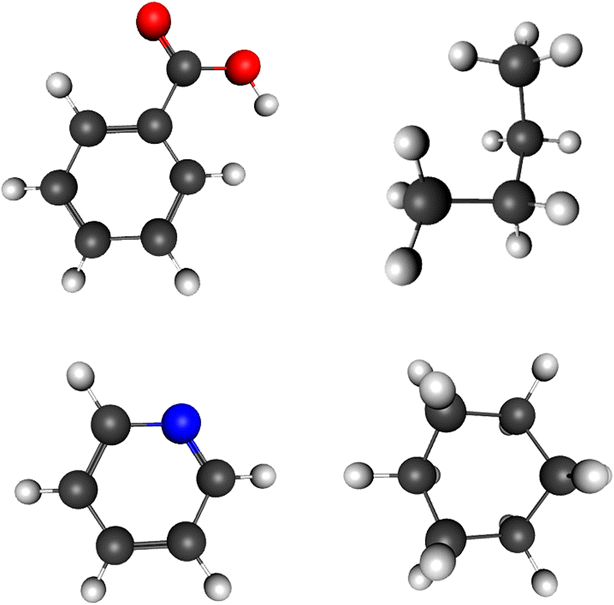
In this 2015 journal article published in the open-access journal
Journal of Cheminformatics, Mohebifar and Sajadi describe their web-based HTML5/CSS3 3D molecule editor and visualizer Chemozart. Able to be run from the public web source or your own personal instance, Chemozart is both useful for educational and research purposes. The authors tout "that there’s no need to install anything and it can be accessed easily via a URL."
Posted on April 18, 2016
By CSols Inc.
Blog
Have you been in this situation?: You just began a new LIMS project and everything appears to be going smoothly. However, as the project continues to move forwar, you start to lose control and it feels like the project has taken on a life of its own.
Posted on April 13, 2016
By John Jones
Journal articles
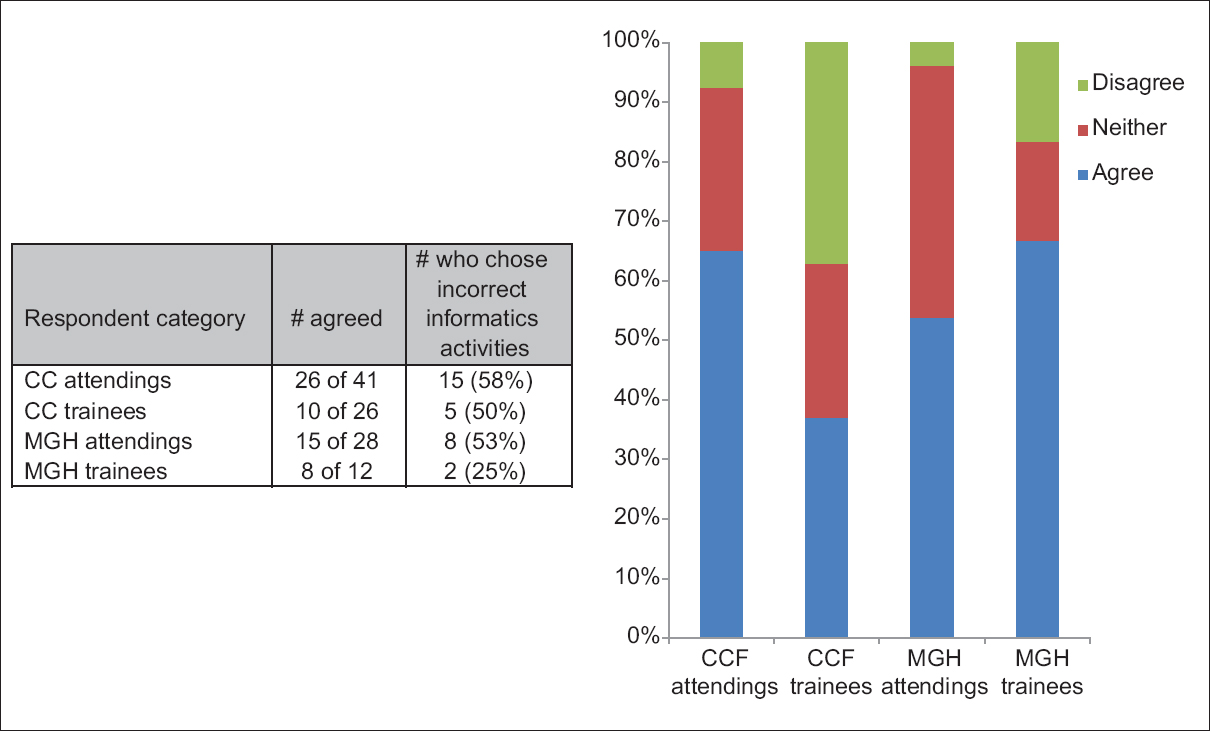
Perhaps frustrated with the state of education and misperceptions in regards to pathology informatics (PI), Walker
et al. set out to conduct a survey of noninformatics-oriented pathologists and trainees at the Cleveland Clinic and Massachusetts General Hospital to better grasp views of the professional field. In this paper published in
Journal of Pathology Informatics in April 2016, the researchers present their findings and opine about the state of pathology informatics education. They conclude: "Improved understanding and acceptance of PI throughout the pathology community could facilitate the communication and cooperation necessary to realize the type of informatics initiatives capable of advancing the importance of pathologists in the changing healthcare environment."
Posted on April 13, 2016
By Corinne Jones
Newsletter
April 13, 2016 Laboratory Informatics Weekly Update Volume 14, Issue 15 In This Issue Event Focus APRIL 12 - 13, 2016: Compound Management in Industry and Academia Conference The SLAS Conference on Compound Management in Industry and Academia will assemble key individuals who share the aims of providing their organizations the right compound at the right time and in the best possible quality, to allow the generation of meaningful screening, pharmacological, toxicological or ADME profiling data. APRIL 19 - 20, 2016: 2016 Paperless Lab Academy The Paperless Lab Academy is the ideal learning platform, for those considering consolidating, integrating and…
Posted on April 6, 2016
By John Jones
Journal articles
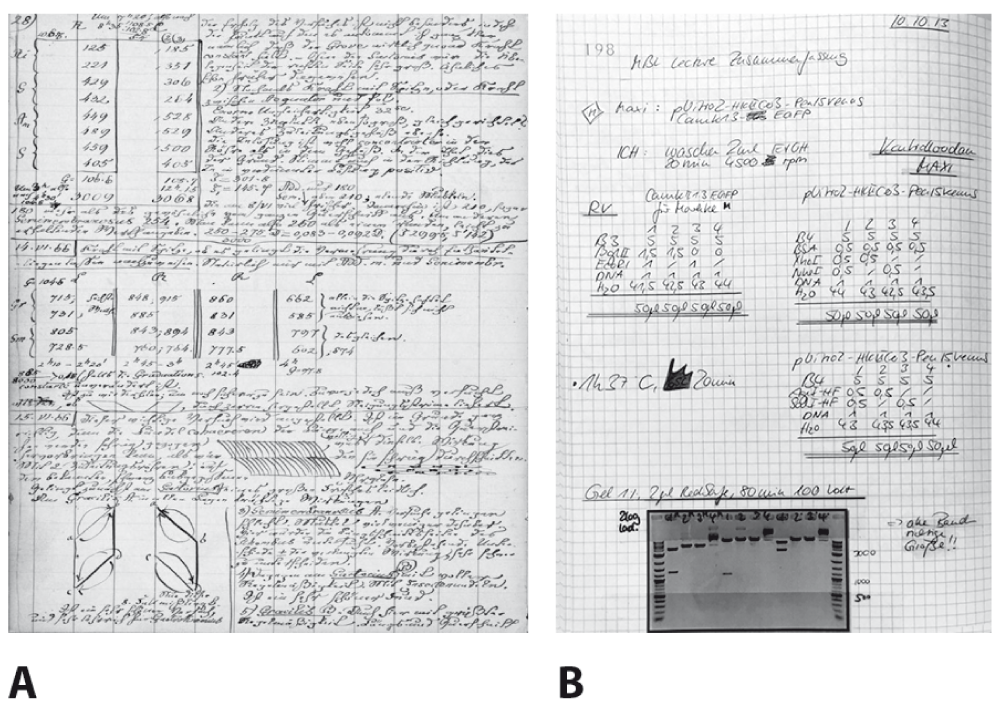
In this "opinion article" published in the open-access journal
F1000Research, Dirnagl and Przesdzing argue for the benefits of — and recognize the occasional problems with — electronic laboratory notebooks (ELNs). The duo attempts to answer the questions "What does it afford you, what does it require, and how should you go about implementing it?" They conclude that ELNs improve workflow and collaboration, allow for greater data integration, reduce transcription errors, improve data quality, and promote compliance with a variety of practices and regulations. "We have no doubt that ELNs will become standard in most life science laboratories in the near future," they state at the end.
Posted on April 6, 2016
By Khemia
Blog
When logging in samples, laboratories must verify the conditions under which the samples were received. The most efficient way to do this is a checklist within the LIMS. This not only helps automate the process, it also records the checklist automatically, adding to the necessary paper trail for audits.
Posted on April 6, 2016
By Corinne Jones
Newsletter
April 06, 2016 Laboratory Informatics Weekly Update Volume 14, Issue 14 In This Issue Event Focus APRIL 12 - 13, 2016: Compound Management in Industry and Academia Conference The SLAS Conference on Compound Management in Industry and Academia will assemble key individuals who share the aims of providing their organizations the right compound at the right time and in the best possible quality, to allow the generation of meaningful screening, pharmacological, toxicological or ADME profiling data. APRIL 19 - 20, 2016: 2016 Paperless Lab Academy The Paperless Lab Academy is the ideal learning platform, for those considering consolidating, integrating and…
Posted on April 2, 2016
By John Jones
Journal articles
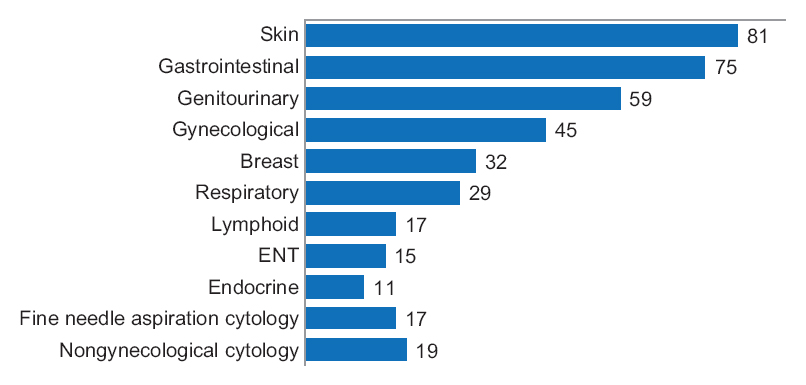
Is digital diagnostic determination of pathology images quicker than microscopic? It depends on who you ask. Vodovnik published results of his comparative study in early 2016, comparing digital and microscopic diagnostic times using tools such as digital pathology workstations and laboratory information management systems. His conclusion: "A shorter diagnostic time in digital pathology comparing with traditional microscopy can be achieved in the routine diagnostic setting with adequate and stable network speeds, fully integrated LIMS and double displays as default parameters, in addition to better ergonomics, larger viewing field, and absence of physical slide handling, with effects on the both diagnostic and nondiagnostic time."
Posted on March 30, 2016
By Corinne Jones
Newsletter
March 30, 2016 Laboratory Informatics Weekly Update Volume 14, Issue 13 In This Issue Articles Top 4 Reasons LIMS Implementations Fail Implementing a new LIMS can be a huge challenge. There are so many aspects to consider and moving parts to manage that LIMS implementations can and sometimes do fail. Event Focus APRIL 12 - 13, 2016: Compound Management in Industry and Academia Conference The SLAS Conference on Compound Management in Industry and Academia will assemble key individuals who share the aims of providing their organizations the right compound at the right time and in the best possible quality, to…
Posted on March 28, 2016
By CSols Inc.
Blog
Implementing a new LIMS can be a huge challenge. There are so many aspects to consider and moving parts to manage that LIMS implementations can and sometimes do fail.
Posted on March 26, 2016
By John Jones
Journal articles
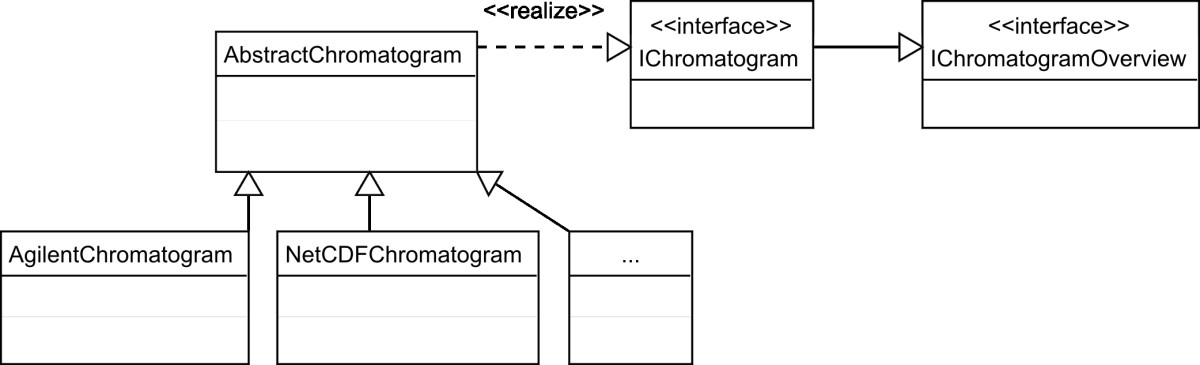
In 2010, Philip Wenig and Juergen Odermatt published their experiences on developing OpenChrom, an open-source chromatography data management system (CDMS) for analyzing mass spectrometric chromatographic data. The team built the software due to a perceived "lack of software systems that are capable to enhance nominal mass spectral data files, that are flexible, extensible and that offer an easy to use graphical user interface." The group concluded that "OpenChrom will be hopefully extended by contributing developers, scientists and companies in the future." As of 2016, development on OpenChrom does indeed continue, with a 1.1.0 preview release available released in February.





