Posted on December 13, 2023
By L7 Informatics
Blog
 Over the past year, Dana-Farber Cancer Institute's Connell and O'Reilly Families Cell Manipulation Core Facility (DFCI CMCF) has been working to implement a LIMS (Laboratory Information Management System) for their GMP cellular therapy manufacturing facility. In this blog post, we'll take you through their challenges before implementation, their experience with L7|ESP, and the benefits they've realized. [Read More]
Posted on December 12, 2023
By LabLynx
Journal articles
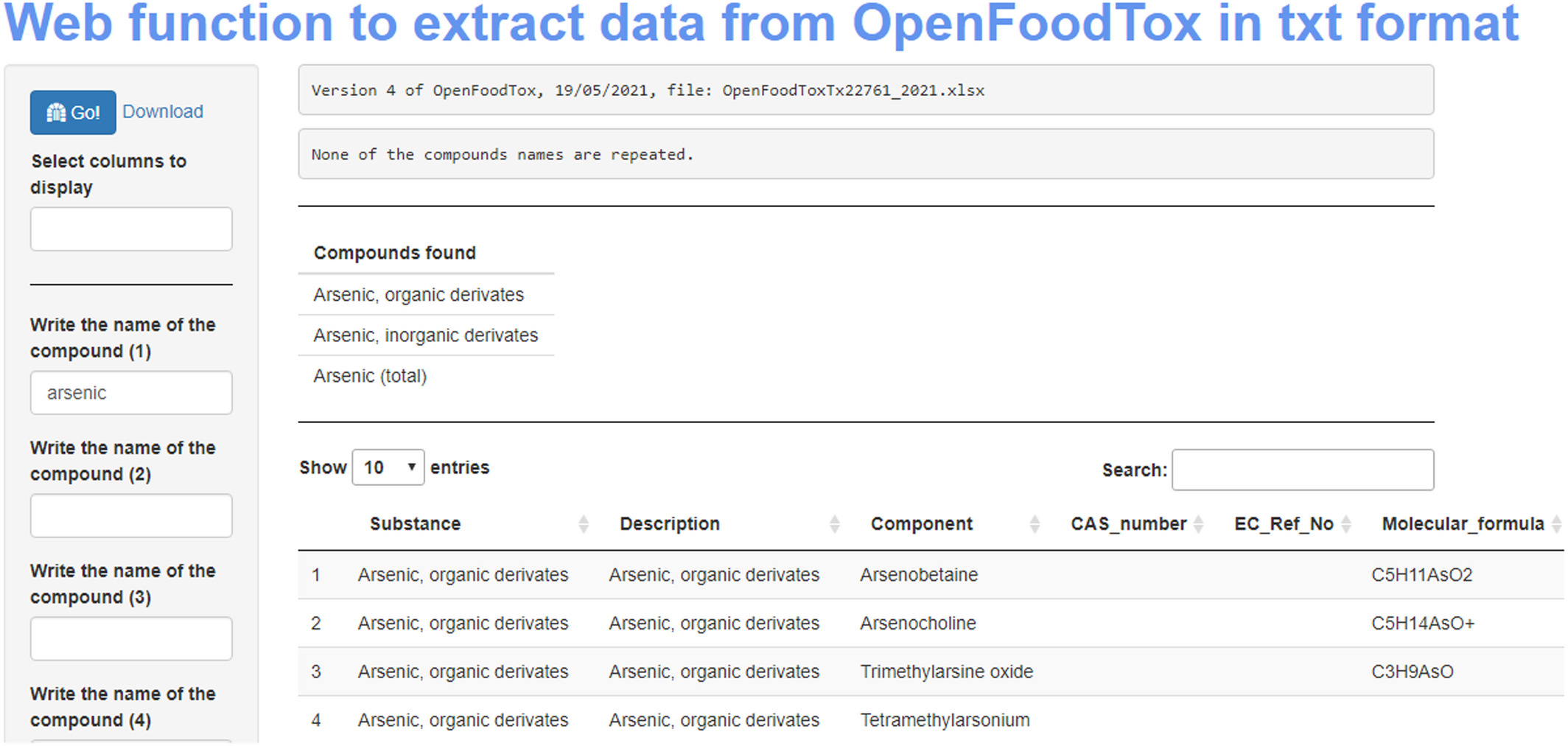
In this brief paper published in the
EFSA Journal (from the European Food Safety Authority), Pineda-Pampliega
et al. of the Norwegian Scientific Committee for Food and Environment (VKM) discuss the specifics of their work-related project to see "if existing commonly used [food safety] databases in risk assessment are in line with the FAIR principles" (which ensure data and information is findable, accessible, interoperable, and reusable), as well as to determine how to improve deficiencies in meeting FAIR principles. The authors describe their approach using data from both the EFSA's Chemical Hazards Database, OpenFoodTox, and the Institute of Marine Research's Seafood database. After evaluating these databases and describing the necessary framework activities to make them more FAIR, the authors conclude that their methods of using the R programming language, Shiny, GitHub,
Zenodo, and appropriate file formats "is an essential step to ensuring the success of the future risk–benefit assessment [towards food safety], by offering more timely results with adequate spending of human and economic resources."
Posted on December 7, 2023
By Corinne Jones
Newsletter
December 7, 2023 Laboratory Informatics Weekly Update Volume 21, Issue 48 In This Issue Featured Books LIMS Selection Guide for Food Safety and Quality Featured Content What is the importance of a manufacturing related laboratory to society?Manufacturing-related labs serve as the epicenter of research, development, and quality assurance. They permeate every aspect of our lives, from innovative devices we use at home to ground-breaking medicines to the eco-friendly and energy-efficient solutions that contribute to a better planet. These labs drive technological advancements, further healthcare solutions, and help keep society safe. [Read More] 10 Reasons to Validate Your Quality Management…
Posted on December 6, 2023
By LabLynx
Blog

Manufacturing-related labs serve as the epicenter of research, development, and quality assurance. They permeate every aspect of our lives, from innovative devices we use at home to ground-breaking medicines to the eco-friendly and energy-efficient solutions that contribute to a better planet. These labs drive technological advancements, further healthcare solutions, and help keep society safe.
[Read More]
Posted on December 6, 2023
By CSols Inc.
Blog

The goal of a manufacturing department is to get the product out the door on time and within specifications. With large batches of products being produced, some sort of quality management system (QMS) is needed to ensure the best and most compliant product is delivered to consumers. A QMS may start out as a paper-based system and slowly transition to a spreadsheet, but without a fully automated and validated system, manufacturers risk security and compliance issues.
[Read More]
Posted on December 6, 2023
By Autoscribe Informatics Inc.
Blog

Organizations are under attack from data hackers and ransomware on an almost daily basis. We have extended and enhanced user identity checking functionality in Matrix Gemini LIMS to support federated identity providers such as Azure and Okta.
[Read More]
Posted on December 6, 2023
By onQ Software
Blog
Laboratory Information Management Systems (LIMS) are transforming multiple industries, not just one. In this blog post, we’ll explore the various industries where LIMS is playing a crucial role by revolutionising processes and ensuring compliance with strict standards. Before delving into the examination of industries, let’s not forget that there are many new and upcoming industries, as well as emerging scientific technologies, that can be explored and supported by LIMS.
[Read More]
Posted on December 6, 2023
By LabLynx
Blog

There is a gap between the goals of science education and the "ready to work" background wanted by science-based industry employers. This overview of major laboratory informatics in industrial research and service laboratories explores the diverse applications of artificial intelligence in scientific and lab contexts, spanning fields like image analysis, predictive analytics, robotics, data mining, spectroscopy, and more.
[Read More]
Posted on December 4, 2023
By LabLynx
Journal articles
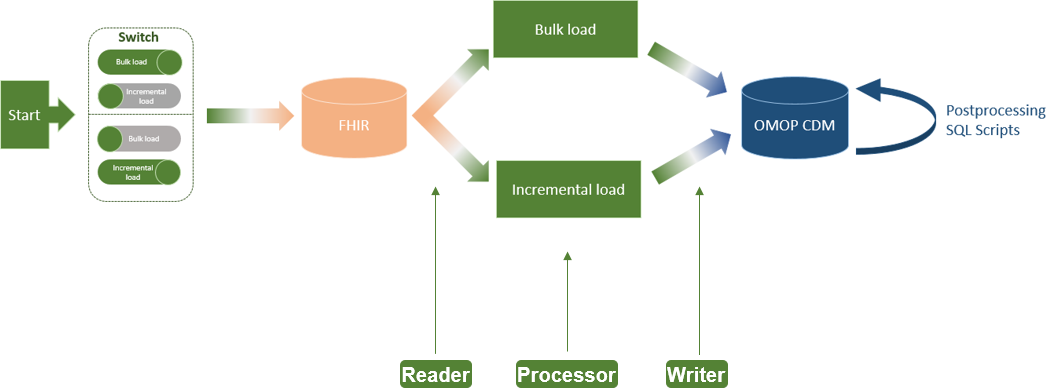
In this 2023 paper published in
JMIR Medical Informatics, Henke
et al. of Technische Universität Dresden present the results of their effort to add "incremental loading" to the Medical Informatics in Research and Care in University Medicine's (MIRACUM's) clinical trial recruitment support systems (CTRSSs). Those CTRSSs already allows bulk loading of German-based FHIR data, supporting "the possibilities for multicentric and even international studies," but MIRACUM needed greater efficiencies when updating such data on a daily, incremental basis. The paper presents their literature review and approach to adding incremental loading to their systems. They conclude that the extract-transfer-load (ETL) "process no longer needs to be executed as a bulk load every day" with the change, instead being able to rely on "using bulk load for an initial load and switching to incremental load for daily updates." They add that this process has international applicability and is not limited to German FHIR data.
Posted on December 1, 2023
By L7 Informatics
Blog
 Translating research processes into manufacturing therapeutics involves a complex and highly regulated journey from the laboratory to large-scale production. Informatics systems play a crucial role in managing and optimizing this transition. [Read More]
Posted on November 30, 2023
By Corinne Jones
Newsletter
November 30, 2023 Laboratory Informatics Weekly Update Volume 21, Issue 47 In This Issue Featured Books LIMS Selection Guide for Food Safety and Quality Featured Content Unlocking Growth: 7 Essential Factors for Scaling Your NGS Lab SuccessfullySuccessfully scaling a next-generation sequencing (NGS) lab takes careful preparation. Myriad complexities are involved, any of which could cause delays and extra expense. Whether your lab has been intending to scale up for some time or you’re responding to a high-pressure situation, like a pandemic, you need to have a plan in place. To help you get started, we’ve put together a list…
Posted on November 29, 2023
By Labbit
Blog

Successfully scaling a next-generation sequencing (NGS) lab takes careful preparation. Myriad complexities are involved, any of which could cause delays and extra expense. Whether your lab has been intending to scale up for some time or you’re responding to a high-pressure situation, like a pandemic, you need to have a plan in place. To help you get started, we’ve put together a list of things to consider.
[Read More]





