Posted on November 8, 2023
By Adurosys Inc.
Blog

Therapeutic antibodies are a revolutionary drug class that can treat a wide range of diseases. Secondary screens characterize the functional properties of candidate antibodies, narrowing the pool to those most likely to succeed in clinical trials. The wide range of micro-plate based assays that can test hundreds of variables at once requires accurate and complex plate maps that capture a variety of plate re-array options. Using
LIMSense™, a modern LIMS from AduroSys, can ensure you keep track of all of your samples and identify the best antibodies for further development.
[Read More]
Posted on November 7, 2023
By LabLynx
Journal articles
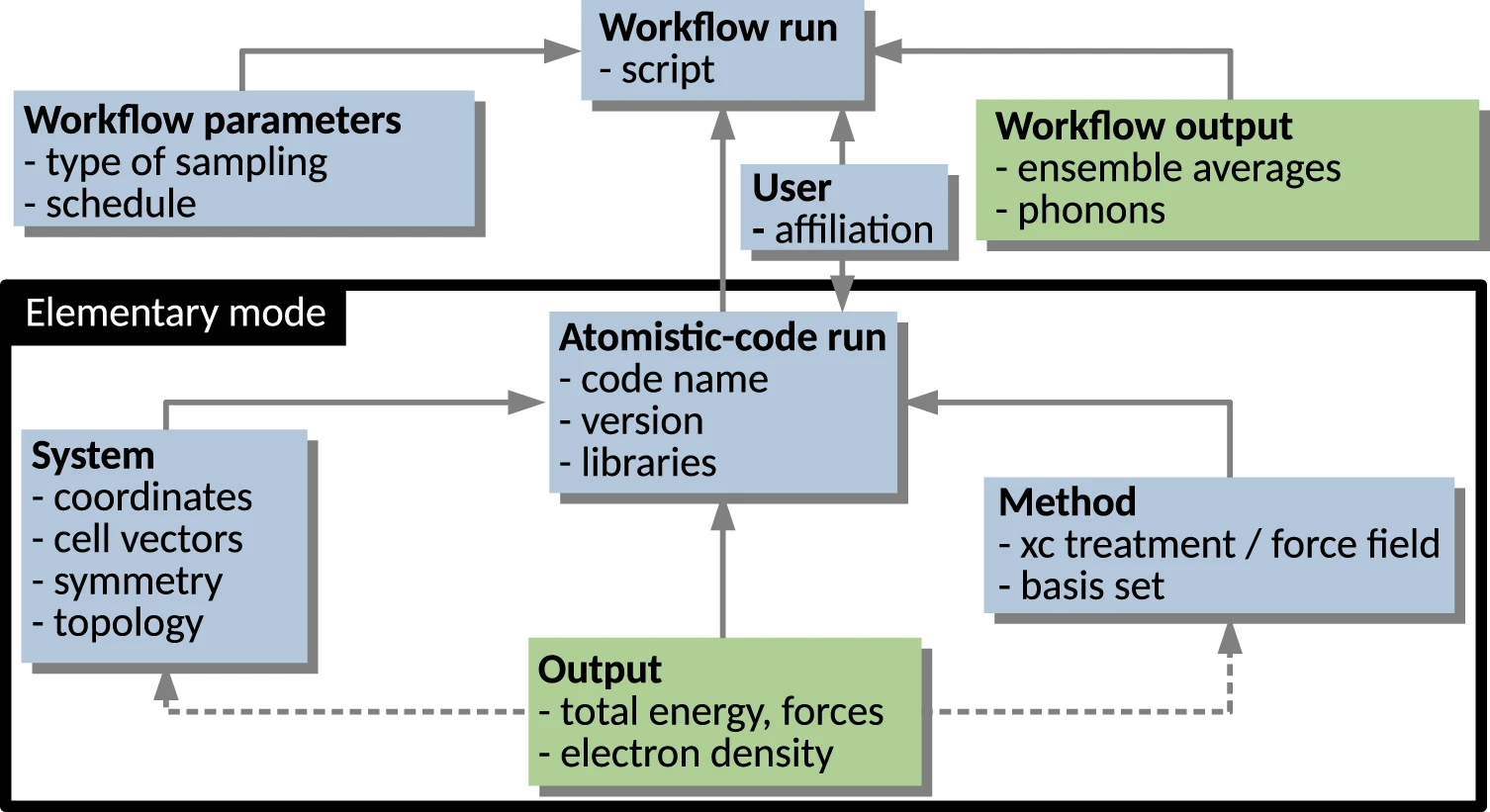
In this 2023 paper published in the journal
Scientific Data, Ghiringhelli
et al. present the results of an international workshop of materials scientists who came together to discuss metadata and data formats as they relate to data sharing in materials science. With a focus on the FAIR principles (findable, accessible, interoperable, and reusable), the authors introduce the concept of materials science data management needs, and the value of metadata towards making shareable data FAIR. They then go into specific use cases, such as electronic-structure calculations, potential-energy sampling, and managing metadata for computational workflows. They also address the nuances of file formats and metadata schemas as they relate to those file formats. They clise with an outlook on the use of ontologies in materials science, followed by conclusions, with a heavy emphasis on "the importance of developing a hierarchical and modular metadata schema in order to represent the complexity of materials science data and allow for access, reproduction, and repurposing of data, from single-structure calculations to complex workflows." They add: "the biggest benefit of meeting the interoperability challenge will be to allow for routine comparisons between computational evaluations and experimental observations."
Posted on November 2, 2023
By Corinne Jones
Newsletter
November 2, 2023 Laboratory Informatics Weekly Update Volume 21, Issue 44 In This Issue Announcements 10/30/2023 - LiMSforum is pleased to offer LiMShelp consulting to our laboratory members at no chargeLiMSforum publishes the LiMSpec to help your laboratory develop your LIMS requirements. Today, LiMSforum now provides free LIMS consulting services to our laboratory members to help utilize the LiMSpec to capture all of the laboratory user requirements specifications (URS) and to develop a set of requirements that reflects the LIMS needs specific to your lab. To learn more about this offering, please click here. Featured Books LIMS Selection Guide…
Posted on November 1, 2023
By LabLynx
Blog

There comes a point in every lab where data gets scattered across paper files, spreadsheets, and a patchwork of laboratory systems. Manual processes can’t keep up with rising demand. Ultimately, customer satisfaction plummets with profound implications for the lab. All these challenges stem from the way labs manage information. If these 28 signs of laboratory information management challenges look familiar, your lab is ready for a LIMS.
[Read More]
Posted on November 1, 2023
By L7 Informatics
Blog
 Following on from the L7 MES app introduction, let us have a deeper dive into the features that set the L7 MES app as the right choice for pharmaceutical manufacturing. In this blog, we explore electronic signatures and how L7|ESP and the L7 MES app approach and provide a unique and flexible solution. In Figure 1, have a quick look at how we represent electronic signatures in EBR. What is the importance of electronic signatures to an MES and EBR system? [Read More]
Posted on November 1, 2023
By CSols Inc.
Blog
In today’s corporate landscape, Learning Management Systems (LMS) play a pivotal role in delivering, tracking, and managing training programs. The LMS supports an organization’s overall regulatory compliance by tracking the needed certifications of all employees and ensuring that records are centralized. Ensuring the dependability, security, accessibility, and adherence to regulations of an LMS is crucial for regulated businesses, and shouldn’t be neglected. This blog post explores the significance of validating LMS software, given various hypothetical use cases.
[Read More]
Posted on November 1, 2023
By onQ Software
Blog

In a world where the genomic revolution is redefining the boundaries of scientific discovery, the effective management of data is crucial. This blog post dives into how the dynamic duo of AWS and QLIMS is reshaping the landscape of genomics research with seamless integration.
[Read More]
Posted on November 1, 2023
By LIMS Wizards
Blog

Laboratory information management system (LIMS) licenses are expensive, and when you work in a distributed organization with a central lab and many collection points, it isn’t feasible to provide all potential submitters with their own LIMS license. We’re here to tell you that there is an easier way. It is possible, and even easy, to submit samples for testing without a LIMS license using SampleVision.
[Read More]
Posted on November 1, 2023
By Astrix Technology Group
Blog

When you are awarded a federal NIH grant, it’s essential to know how to use the grant award effectively. The post-award phase may seem overwhelming with various implementation and reporting requirements, but adhering to the grant terms and conditions is necessary. This blog post will guide you toward maximizing the use of your grant award by understanding the post-award phase.
[Read More]
Posted on November 1, 2023
By LabLynx
Blog

To cure the numerous illnesses that one could suffer throughout their lifetime, it is essential to have access to first-rate healthcare services that can efficiently and promptly address our needs. Recently, the way that patients look for medical care has altered. Patients are increasingly choosing convenience over primary care alternatives due to cost considerations, schedule convenience, and other factors.
[Read More]
Posted on November 1, 2023
By Adurosys Inc.
Blog
Therapeutic antibodies are
now the predominant class of new drugs. Advancing safe, effective antibodies to the clinic requires narrowing a pool of thousands of candidates using igh-throughput microplate-based assays. Designing plate maps for these assays using Excel or outdated digital tools is a time-consuming task prone to error, slowing the screening process and leading to critical errors in data analysis. Using LIMSense, a modern LIMS from AduroSys, can improve data quality, reduce costs, and ensure the most effective antibodies reach patients.
[Read More]
Posted on October 31, 2023
By Shawn Douglas
Journal articles
In this 2023 journal article published in
International Journal of Molecular Sciences, Jadhav
et al. recommend a more comprehensive approach to analyzing the
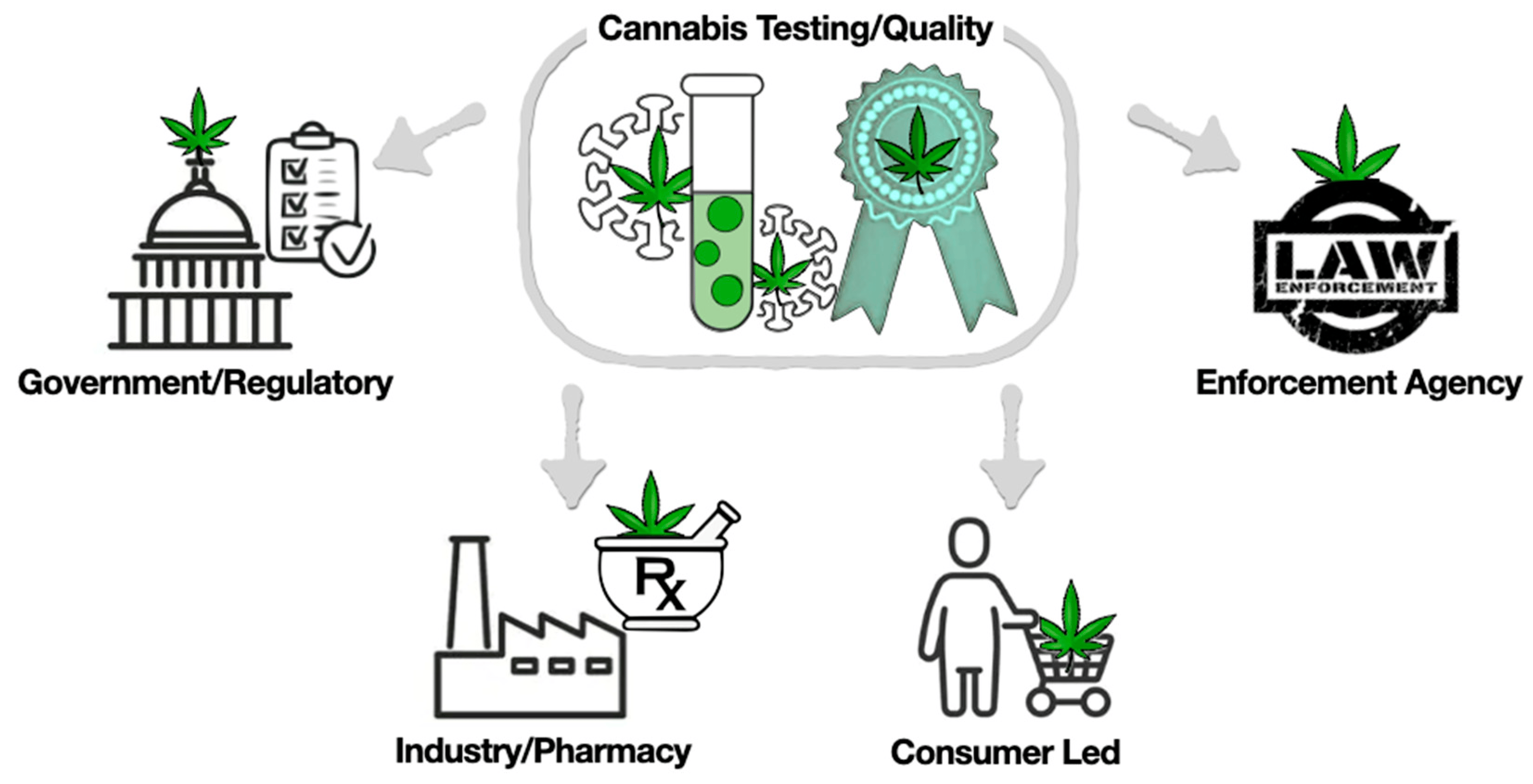
Cannabis plant, its extracts, and its constituents, turning to the still-evolving concept of authentomics—"which involves combining the non-targeted analysis of new samples with big data comparisons to authenticated historic datasets"—of the food industry as a paradigm worth shifting towards. After an introduction on metabolomics and a review of its various technologies, the authors examine the current state of cannabis laboratory testing, how its regulated and standardized, and a variety of issues that make cannabis testing less consistent, as well as how cannabis can become adulterated in the grow chain. They then discuss authentomics and apply it to the cannabis industry, as well address what considerations need to be made in the future to make the most of authentomics. The author conclude that an authentomics approach "provides a robust method for verifying the quality of cannabis products."





