Posted on September 27, 2023
By Clinisys
Blog

With the experience of thousands of laboratory management system deployments of Clinisys Laboratory Solutions™ under our collective belts, we at Clinisys have vast experience implementing laboratory information systems (LIS) and laboratory information management systems (LIMS) software for laboratories with specialties that represent the full range of clinical, scientific, and environmental laboratories, including forensics, toxicology, public health, agronomy, water, wastewater, soil, air, and food and beverage.
[Read More]
Posted on September 27, 2023
By LabLynx
Blog

Several farm-rich states across the country have taken laboratory study to a whole new level by taking the lab on the road, providing mobile classrooms devoted to agriculture education and science. This helps teach students the importance of agriculture in their daily lives and inspiring the future study of agriculture sciences.
[Read More]
Posted on September 27, 2023
By Astrix Technology Group
Blog

As an employer, keeping up with ever-evolving employment laws is crucial to ensure fair practices and avoid potential legal pitfalls. One such law that has gained significant traction across the United States in recent years is the ‘Ban the Box’ legislation. This blog post aims to provide a comprehensive understanding of ‘Ban the Box’ laws, their implications for employers, and how businesses can adapt to these changes effectively.
[Read More]
Posted on September 26, 2023
By Shawn Douglas
Journal articles
In this 2023 article published in the journal
Water, Marebesi
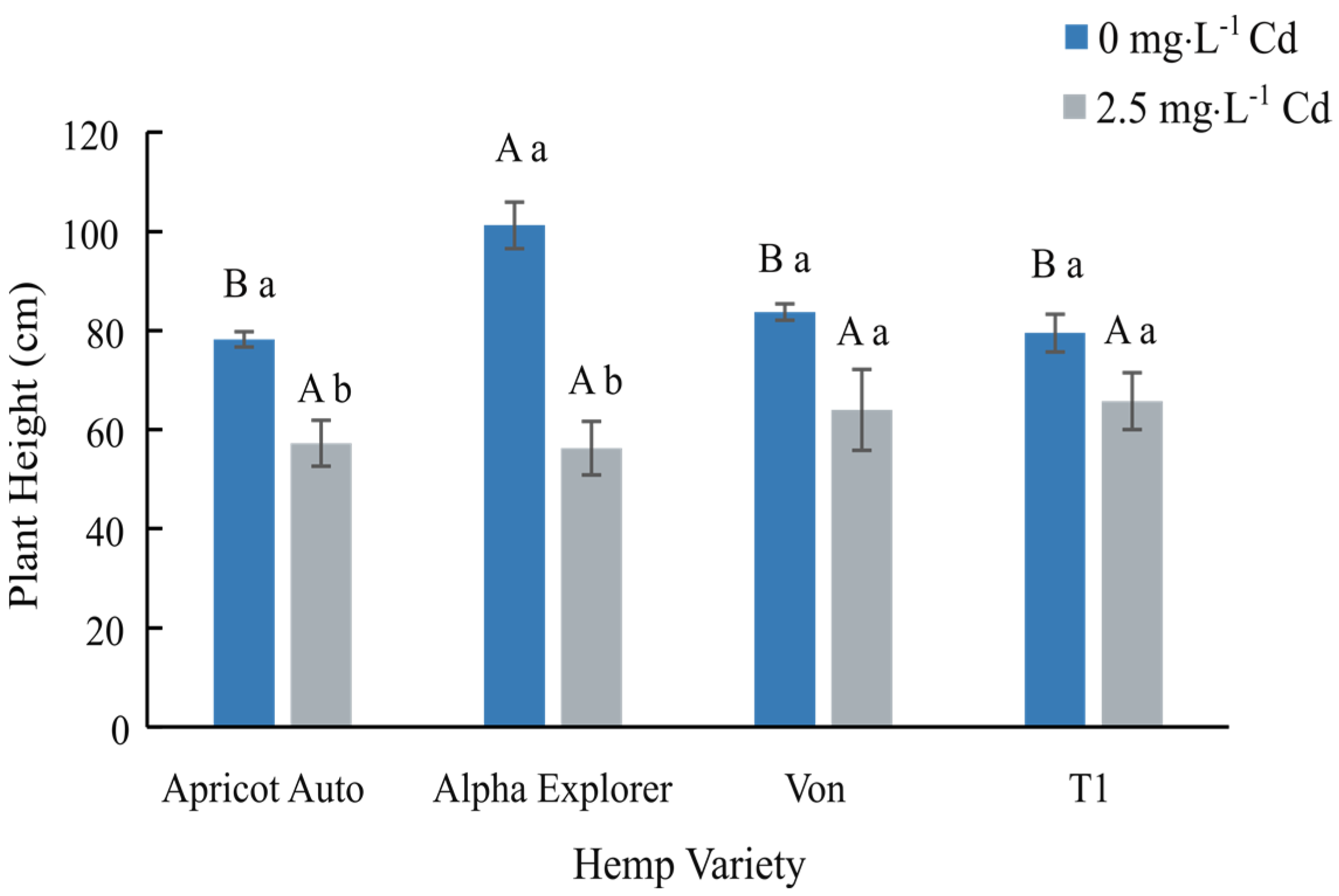
et al. of the University of Georgia present their findings on phytoremediation of Cadmium (Cd)-contaminated soils using day-neutral and photoperiod-sensitive hemp plants. After a thorough introduction on the topic of using
Cannabis plants for phytoremediation (including the flowers), the authors present their materials and methods, focusing on Apricot Auto, Alpha Explorer, Von, and T1 varieties of hemp. They then present the results of their experiments, addressing plant height, biomass yield, Cd concentrations in various plant tissues, nutrient partitioning, and THC/CBD concentrations. They conclude noting that "while Cd concentration was significantly higher in roots, all four varieties were efficient in translocating Cd from roots to shoots." They also conclude that THC/CBD loss is affected by remediation in some cases, as was height and biomass. Finally, they highlight the importance of Cd testing of flowers for medical markets where the plant is used.
Posted on September 21, 2023
By Corinne Jones
Newsletter
September 21, 2023 Laboratory Informatics Weekly Update Volume 21, Issue 38 In This Issue Featured Books LIMS Selection Guide for Manufacturing Quality Control Featured Content Informatics Tools in Clinical DiagnosticsThe clinical diagnostic lab is a unique environment for laboratory informatics. Not only does it have to meet the challenges of laboratory management and instrument communications, but it also has to do it while interacting with patients, physicians, insurance companies and administrative systems through standardized interfaces. LIMS provide a pivotal role in its operations, managing testing and distributing data as needed. [Read More] Supporting Preclinical Trial Operations with R&D LIMS…
Posted on September 20, 2023
By LabLynx
Blog

The clinical diagnostic lab is a unique environment for laboratory informatics. Not only does it have to meet the challenges of laboratory management and instrument communications, but it also has to do it while interacting with patients, physicians, insurance companies and administrative systems through standardized interfaces. LIMS provide a pivotal role in its operations, managing testing and distributing data as needed.
[Read More]
Posted on September 20, 2023
By CSols Inc.
Blog

Research and development in the pharmaceutical and biotechnology industries is fast paced and getting faster, while the pressure is on to decrease spending and improve time to market. As the research and development sector evolves, so do the requirements for robust systems that can manage large volumes of data, ensure fulfillment of regulatory requirements, and streamline operations. A laboratory information management system (LIMS) is an important tool in fulfilling those requirements. This blog post will look at some of the ways a LIMS can support your preclinical lab when properly configured.
[Read More]
Posted on September 20, 2023
By Astrix Technology Group
Blog

Companies continually seek innovative strategies to optimize operations in an increasingly competitive, cost-conscious life sciences industry. One such strategy gaining prominence is outsourcing. By enlisting the expertise of external partners, life science companies can focus on their core competencies, streamline operations, and significantly reduce costs. This article will explore five effective methods through which outsourcing can help life science companies reduce expenses.
[Read More]
Posted on September 20, 2023
By LabLynx
Blog

Laboratory courses in public and private education support a strong pipeline of upcoming generations in the laboratory and scientific communities. Ultimately, laboratory environments allow students to take a hands-on approach to learning about the world around them, and those educational labs should be celebrated and enhanced to support upcoming generations in laboratory and scientific learning.
[Read More]
Posted on September 18, 2023
By LabLynx
Journal articles
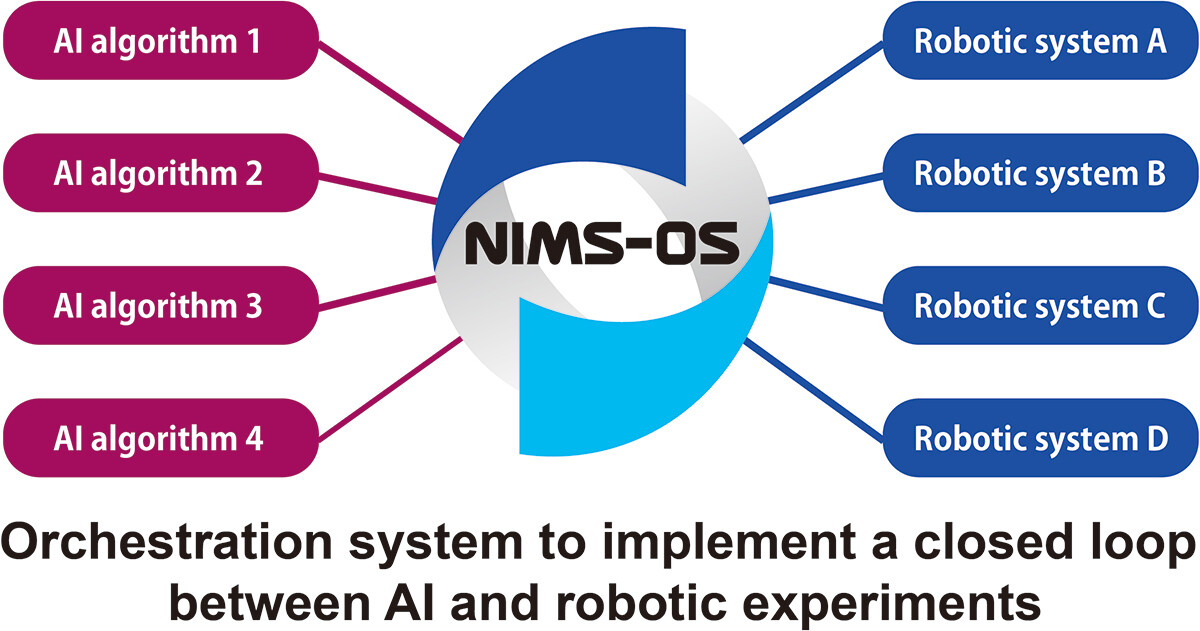
As technological, cultural, and environmental shifts continue to put pressure on the ways academic and private research is conducted, researchers must further strive to get the most out of their work. This holds true across a broad swath of scientific fields, including materials science. Noting the continuing expansion of laboratory automation and software-based tools like artificial intelligence (AI) and machine learning (ML), Tamura
et al. emphasize that materials science and novel materials research can benefit greatly from adopting these tools. In this 2023 paper, the authors present their take on this trend, in the form of NIMS-OS, a Python-based system developed to take advantage of completely automated material discovery experiments. After presenting an introduction on the topic, the authors discuss the development philosophy and approach to making NIMS-OS, while also describing use of both the Python command-line tool and the graphical user interface (GUI)-driven version of the software. The authors conclude that their system demonstrates how "various problems for automated materials exploration to be commonly performed," while at the same time being "designed to be easily adaptable to a variety of original robotic systems in materials science."
Posted on September 14, 2023
By Corinne Jones
Newsletter
September 14, 2023 Laboratory Informatics Weekly Update Volume 21, Issue 37 In This Issue Featured Books LIMS Selection Guide for Food Safety and Quality Featured Content Introduction to Pharmaceutical Data Items and Their StructureStructuring the data used in pharmaceutical reporting will reduce the time needed to create reports, eliminate the manual (human) verification of data tables, and ensure error-free submissions. The use of structured data is particularly powerful in Module 3, which includes large, complex sets of data related to product quality. Using a structured approach to data from source to submission improves data integrity, follows ALCOA+, and is…
Posted on September 13, 2023
By Astrix Technology Group
Blog

Structuring the data used in pharmaceutical reporting will reduce the time needed to create reports, eliminate the manual (human) verification of data tables, and ensure error-free submissions. The use of structured data is particularly powerful in Module 3, which includes large, complex sets of data related to product quality. Using a structured approach to data from source to submission improves data integrity, follows ALCOA+, and is a foundation for working towards the ISPE Pharma 4.0™️ initiative.
[Read More]





