Posted on October 9, 2023
By LabLynx
Journal articles
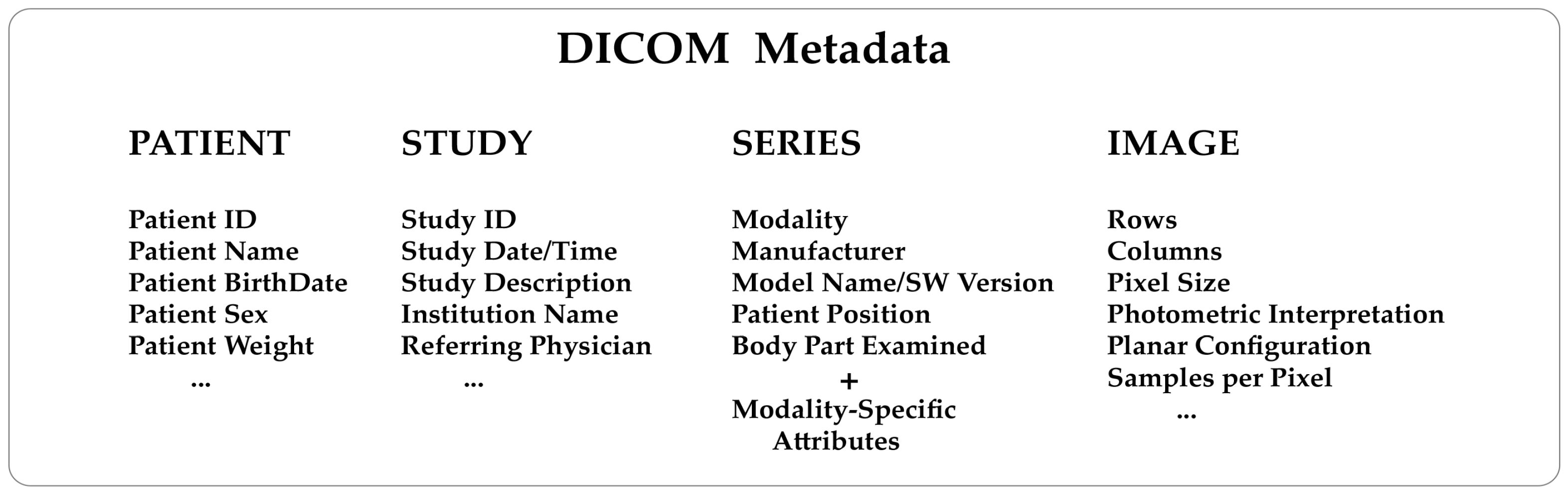
In this brief 2023 article published in the journal
Tomography, Michele Larobina of Consiglio Nazionale delle Ricerche provides background on "the innovation, advantages, and limitations of adopting DICOM and its possible future directions." After an introduction on the Digital Imaging and Communications in Medicine standard, Larobina then emphasizes the benefits of the standard's approach to handling image metadata, followed by the exchange component of the standard. Larobina then examines the strengths and weaknesses of the DICOM standard, before concluding that DICOM has not only demonstrated "the positive influence and added value that a standard can have in a specific field," but also "encouraged and facilitated data exchange between researchers, creating added value for research." Despite this, "the time is ripe to review some of the initial directives" of DICOM, says Larobina, in order for the the standard to remain relevant going forward.
Posted on October 5, 2023
By Corinne Jones
Newsletter
October 5, 2023 Laboratory Informatics Weekly Update Volume 21, Issue 40 In This Issue Featured Books LIMSjournal - Fall 2023 Featured Content The Power of LIMS: Achieve and Maintain ISO 17025 AccreditationISO/IEC 17025 accreditation is the gold standard for testing and calibration laboratories worldwide. It demonstrates your laboratory’s competence, reliability, and adherence to industry best practices. Accreditation formally acknowledges that a laboratory meets the standard’s requirements and has undergone assessment by a competent accreditation body. [Read More] Validating Your Enterprise Systems (QMS, LMS, MES) in Life SciencesGood manufacturing practices are the underpinning of every life sciences business. At the…
Posted on October 4, 2023
By LabLynx
Blog
ISO/IEC 17025 accreditation is the gold standard for testing and calibration laboratories worldwide. It demonstrates your laboratory’s competence, reliability, and adherence to industry best practices. Accreditation formally acknowledges that a laboratory meets the standard’s requirements and has undergone assessment by a competent accreditation body.
[Read More]
Posted on October 4, 2023
By CSols Inc.
Blog
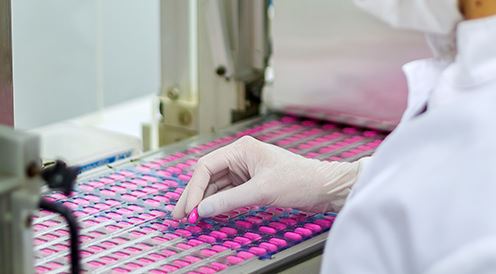
Good manufacturing practices are the underpinning of every life sciences business. At the heart of the organization, ensuring end user safety is everyone’s goal. In many organizations, the quality management system (QMS), learning management system (LMS), and manufacturing execution system (MES) work together in service of this goal. This blog describes the essential functions of these systems, why they should be validated, and how they can be configured to ensure seamless data flow across your life sciences organization.
[Read More]
Posted on October 4, 2023
By Labbit
Blog

A laboratory information management system (LIMS) can provide tremendous value to a lab. It can enhance efficiency and productivity, improve data quality, save time, and ensure compliance with traceability and auditability. However, to get the best return on investment, you need to ensure that it’s set up to manage your lab’s entities and workflows properly.
[Read More]
Posted on October 4, 2023
By STARLIMS Corporation
Blog

This summer, STARLIMS announced the strategic acquisition of Labstep, a cutting-edge Electronic Lab Notebook (ELN) platform, with the aim of expanding STARLIMS’ portfolio to be able to support each stage of the value chain, from R&D through commercialization. We had the privilege of sitting down with Labstep’s Founder & CEO, Jake Schofield to discuss what motivated him to launch Labstep and what his strategic vision is for joining the STARLIMS portfolio.
[Read More]
Posted on October 4, 2023
By onQ Software
Blog
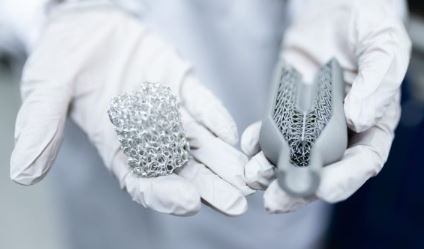
The discipline of
materials science requires the study of the properties, composition, and structural properties of
solid materials. Materials science laboratories play a crucial role in the development and modification of materials to achieve desired properties and improved performance characteristics. Within this context,
Laboratory Information Management Systems (LIMS) emerge as invaluable tools,
supporting material science laboratories in their critical roles.
[Read More]
Posted on October 4, 2023
By LabLynx
Blog

Environmental Monitoring labs play a pivotal role in studying the environment, ensuring regulatory compliance, and advocating for sustainable practices. The efforts of these skilled laboratory teams play a pivotal role in unraveling the complexities of the environment, safeguarding its well-being, ensuring regulatory compliance, and advocating for sustainable practices. By understanding more about their analyses, we gain an appreciation for the invaluable insights their testing provides.
[Read More]
Posted on October 2, 2023
By Shawn Douglas
Journal articles
In this article published in
BMC Medical Education, Xu
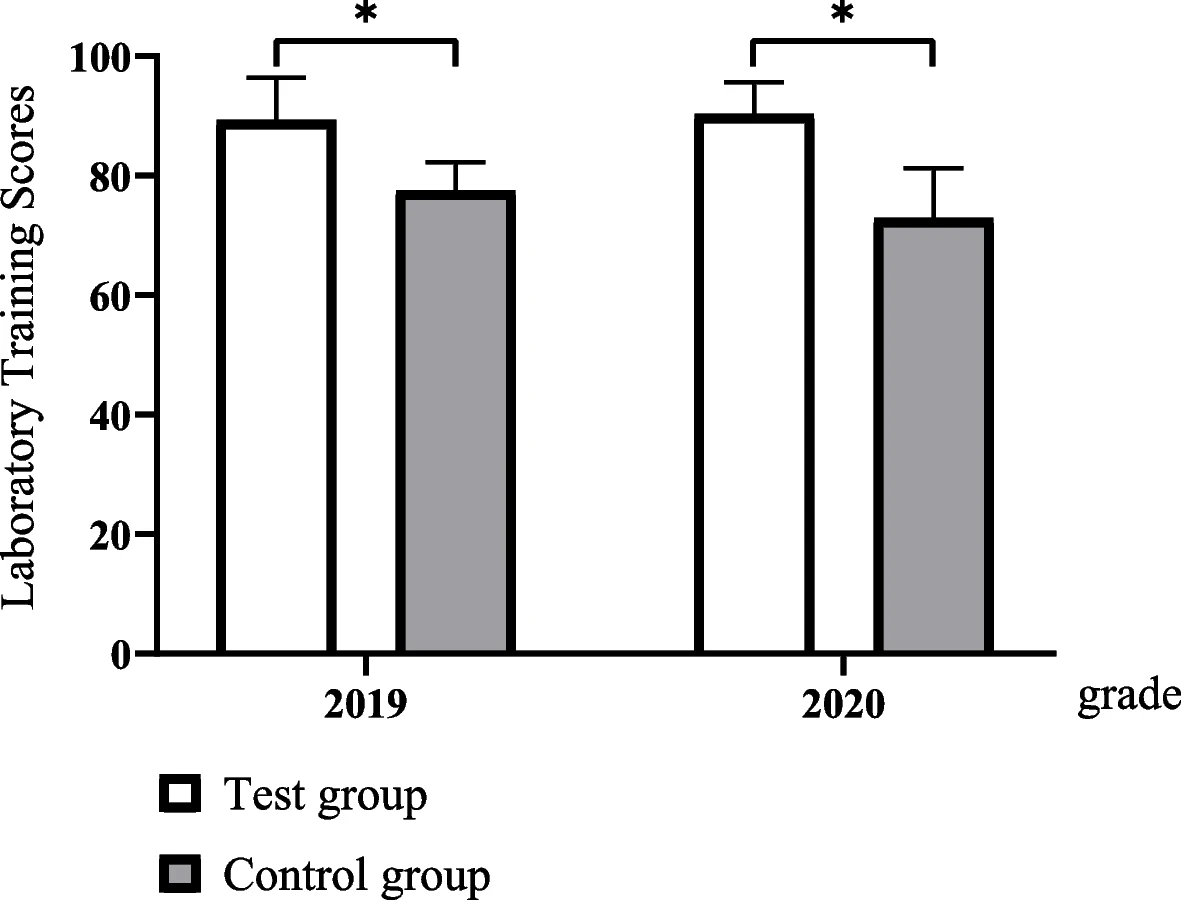
et al. present their four-stage clinical biochemistry teaching methodology which incorporates elements of the International Organization for Standardization's ISO 15189 standard. Noting a lack of student awareness of ISO 15189
Medical laboratories — Requirements for quality and competence and the value its emphasis on quality management brings to laboratories, the authors set upon incorporating the standard into a case-based learning (CBL) approach. After the authors describe the details of their approach and the survey-based results analysis of its outcomes, the authors conclude that outside of improving student outcomes in clinical biochemistry, "ISO 15189 concepts of continuous improvement were implanted, thereby putting the concept of plan–do–check–act (PDCA) into practice, developing recording habits, and improving communication skills."
Posted on September 28, 2023
By Corinne Jones
Newsletter
September 28, 2023 Laboratory Informatics Weekly Update Volume 21, Issue 39 In This Issue Featured Books The Complete Guide to LIMS and Laboratory Informatics Featured Content Making the LIMS Business Case: Getting Approval for a New LIMSYou know it’s time to get a laboratory information management system (LIMS), but that’s a huge decision you aren’t authorized to make. So, how do you convince people far removed from what happens in your lab to approve a new LIMS? This guide will suggest ways to build a data-backed business case that makes it easy to say “yes” to a new LIMS.…
Posted on September 27, 2023
By LabLynx
Blog

You know it’s time to get a laboratory information management system (LIMS), but that’s a huge decision you aren’t authorized to make. So, how do you convince people far removed from what happens in your lab to approve a new LIMS? This guide will suggest ways to build a data-backed business case that makes it easy to say “yes” to a new LIMS.
[Read More]
Posted on September 27, 2023
By onQ Software
Blog

In the dynamic realm of laboratory management, where innovation is the name of the game, embracing modern solutions is not just an option—it’s a necessity. Among these groundbreaking innovations, SaaS (Software as a Service) LIMS, which our QLIMS exemplifies, has emerged as a game-changer. In this blog, we will discuss the
five reasons why SaaS LIMS is essential for laboratories.
[Read More]





