

Fast SARS-CoV-2 detection by RT-qPCR in preheated nasopharyngeal swab samples
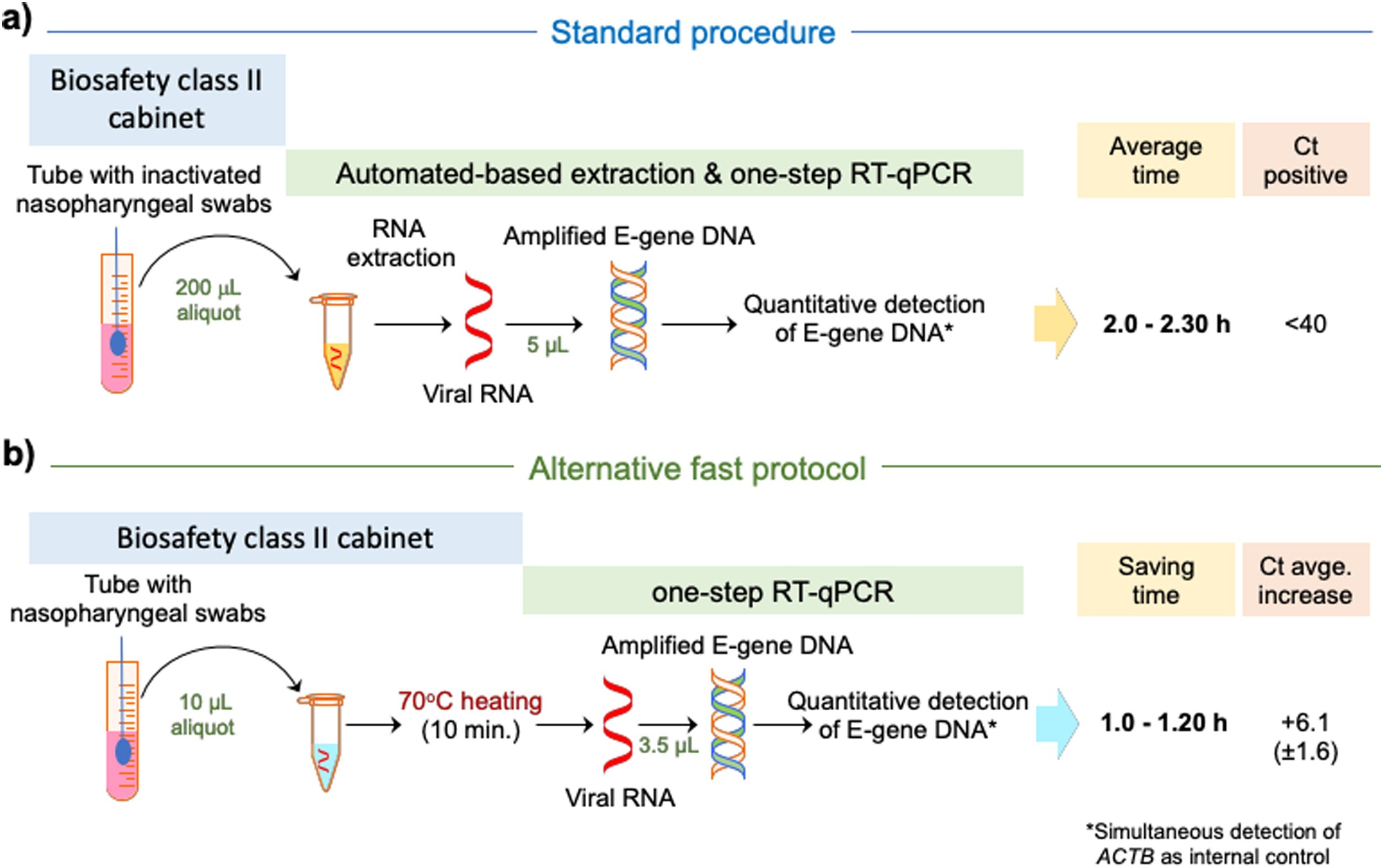 This "short communications" paper published in the International Journal of Infectious Diseases describes the results of simplifying reverse transcription and real-time quantitative PCR (RT-qPCR) analyses for SARS-CoV-2 by skipping the RNA extraction step and instead testing three different types of direct heating of the nasopharyngeal swab. Among the three methods tested—heating directly without additives, heating with a formamide-EDTA buffer, and heating with an RNAsnap buffer—the direct heating method "provided the best results, which were highly consistent with the SARS-CoV-2 infection diagnosis based on standard RNA extraction," while also processing nearly half the time. The authors warn, however, that "choice of RT-qPCR kits might have an impact on the sensitivity of the Direct protocol" when trying to replicate their results.
Philips and Proscia Collaborate to Advance Open Digital Pathology Ecosystem
Proscia®, a leading provider of AI-enabled digital pathology solutions, is collaborating with Royal Philips to advance an open ecosystem that helps laboratories accelerate and scale digital pathology adoption.SCC Soft Computer Introduces 90-Day Rapid Implementation Featuring New Product SoftLIMS™
 As laboratories prepare for an influx of testing due to COVID-19, SCC has established a rapid implementation of 90-days or less to onboard and accelerate COVID-19 tests.
SCC’s Rapid Implementation process gets laboratories up and running within 90-days in order to support the rapid growth of current testing within the healthcare marketplace. Starting with identifying the client’s goals, such as to minimize manual data entry/electronic documentation or to increase productivity via automation, the idea for many is to streamline the current processes to accelerate resulting as testing increases exponentially as months go on.
[Read More]
What Is IQ OQ PQ in Software Validation

 If you work in a business regulated by a government agency, once you’ve implemented or upgraded your LIMS, ELN, or CDS, you need to validate it for your intended use. One part of the validation process that often seems confusing to our clients is the IQ, OQ, PQ testing. This blog will demystify these validation protocol test scripts.
[Read More]
Case Study: Cybersecurity Assessment for a Global Biopharmaceutical Company

 One of the world’s leading biopharmaceutical companies, initiated an Enterprise Cyber Resiliency initiative to protect and isolate its manufacturing sites from cyber-attack and have the ability to sustain operations in light of a corporate-level attack. Due to Astrix Technology Group’s (Astrix) expertise with enterprise-wide laboratory information systems, experience working with other biotech and pharmaceutical companies, and track record of eliminating risk and delivering on similar projects for other life science organizations, the customer chose Astrix to conduct an assessment of its laboratory systems across five global manufacturing sites.
[Read More]
Laboratory Informatics Weekly Update – Volume 18, Issue 27
July 7, 2020 Laboratory Informatics Weekly Update Volume 18, Issue 27 In This Issue Featured Books Past, Present, and Future of Cannabis Laboratory Testing and Regulation in the United States Featured Content 07/07/2020 - SCC Soft Computer Introduces 90-Day Rapid Implementation Featuring New Product SoftLIMS™As laboratories prepare for an influx of testing due to COVID-19, SCC has established a rapid implementation of 90-days or less to onboard and accelerate COVID-19 tests. SCC’s Rapid Implementation process gets laboratories up and running within 90-days in order to support the rapid growth of current testing within the healthcare marketplace. Starting with identifying…Director, CHAMPS Business Unit
The Team:
The Child Health and Mortality Prevention Surveillance (CHAMPS) Network is a joint project. Along with its partners, PHII is working to identify global causes of child mortality in order to inform interventions. CHAMPS is a long-term program that will take place at up to 20 sites with high under-five mortality rates.…
Business Analyst III
The Task Force for Global Health is an Emory University affiliate located in Decatur, GA. Its eight programs focus on building durable public health systems that serve all people. Focus areas include neglected tropical diseases, vaccines, and health systems strengthening.…
Bringing big data to bear in environmental public health: Challenges and recommendations
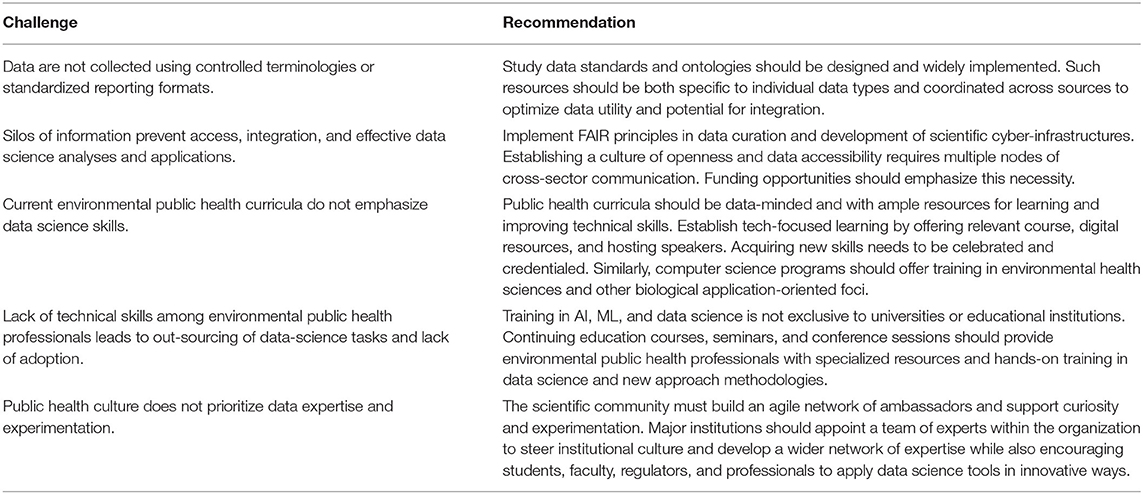 When it comes to analyzing the effects on humans of chemicals and other substances that make their way into the environment, "large, complex data sets" are often required. However, those data sets are often disparate and inconsistent. This has made epidemiological studies of air pollution and other types of environmental contamination difficult and limited in effectiveness. This problem has compounded in the age of big data. Comess et al. address the challenges associated with today's environmental public health data in this recent paper published in Frontiers in Artificial Intelligence and discuss how augmented intelligence, artificial intelligence (AI), and machine learning can enhance understanding of that data. However, they note, additional work must be put into improving not only analysis but also into how data is collected and shared, how researchers are trained in scientific computing and data science, and how familiarity with the benefits of AI and machine learning must be expanded. They conclude their paper with a table of five distinct challenges and their recommended way to address them so as to "create an environment that will foster the data revolution" in environmental public health and beyond.

