

Automated cyber and privacy risk management toolkit
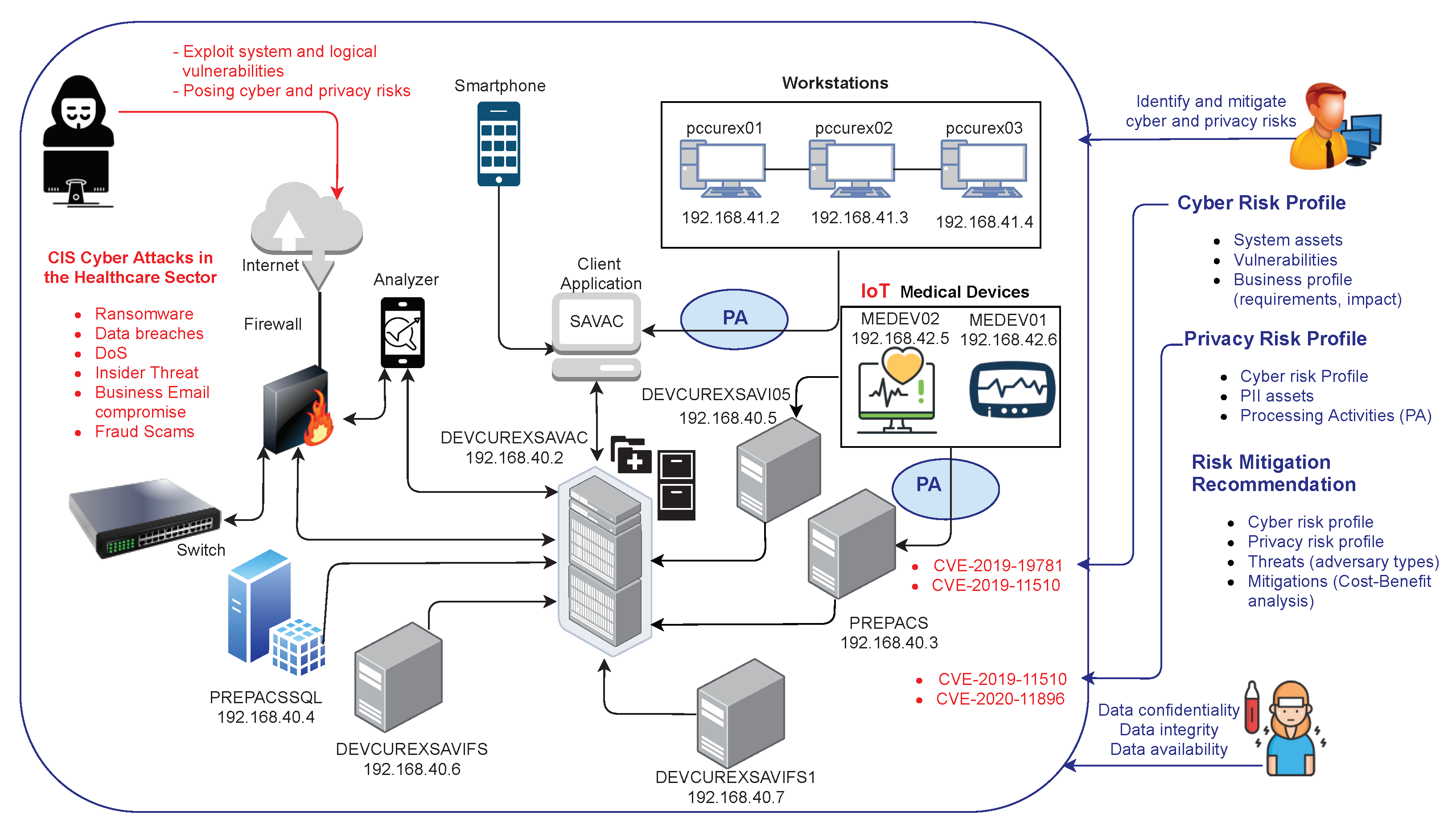 Managing cybersecurity within an organization can be challenging, more so when the in-house knowledge and management drive concerning cybersecurity is lacking. But does it have to be so complicated? What tools exist to help organizations sort through and implement proper safeguards for their cyber infrastructure, and in particular their associated privacy-specific data? In this 2021 paper published in Sensors, Gonzalez-Granadillo et al. propose a privacy risk management toolkit called AMBIENT (Automated Cyber and Privacy Risk Management Toolkit) that "not only assesses cyber and privacy risks in a thorough and automated manner, but it also offers decision-support capabilities to recommend optimal safeguards using the well-known repository of the Center for Internet Security (CIS) Controls." After presenting related work, describing AMBIENT, and showing the results of a demo, the author conclude that "security managers can use AMBIENT’s results as a guide in their decision-making process to define appropriate security policies and strategies that keep risk scores within acceptable levels."
Technical Sales Consultant
Autoscribe Informatics is looking for a strong, well accomplished, Sales Consultant to join the sales team of our fast growing software and services informatics company.
Autoscribe Informatics sells and supports data and information management solutions for laboratories around the world. Our software solution, Matrix Gemini, is used in labs spanning discovery through manufacturing, servingpharmaceutical, medical device, biotechnology, food & beverage, oil & gas, industrial manufacturing, veterinary and clinical labs as well as academic / research institutions.…
How a LIMS Complements your ERP
 "Why do I need a LIMS when I already have SAP Quality Module?"
The quality modules of ERP systems are great as they are already tied into your system which likely handles finance, procurement and logistics, but only cover basic functions needed for the laboratory which is normally only product release. [Read More]
Why Take the Risk? The Benefits of Expert Strategic Consulting
 Digitalization of the laboratory is essential for organizations to maintain a competitive advantage in today’s fast-paced business landscape. As the digital transformation movement is gaining enormous momentum, companies across all industries are adopting a ‘digital-first’ business model. However, just moving our systems away from paper is not enough... [Read More]
Computer Systems Assurance – Methodologies and Technologies to Consider
 In our previous blog, we discussed the steps to develop a plan to move to Computer System Assurance (CSA). In this blog we consider the key methodologies and technologies, along with other important considerations to transition to CSA. There are several important factors to consider to ensure a successful transition to CSA.
IMED (International Society for Infectious Diseases) 2021 Event
 IMED brings together leading informaticians, surveillance coordinators, laboratorians, epidemiologists & clinicians across animal, environmental & human health fields. This truly is THE One Health event of 2021 where those working in diverse specialties can learn, present & challenge one another while sharing novel ideas and research.
Laboratory Informatics Weekly Update – Volume 19, Issue 40
October 6, 2021 Laboratory Informatics Weekly Update Volume 19, Issue 40 In This Issue Featured Books COVID-19 Testing, Reporting, and Information Management in the Laboratory Featured Content 10/06/2021 - How a LIMS Complements your ERP"Why do I need a LIMS when I already have SAP Quality Module?" The quality modules of ERP systems are great as they are already tied into your system which likely handles finance, procurement and logistics, but only cover basic functions needed for the laboratory which is normally only product release. [Read More] 10/06/2021 - Why Take the Risk? The Benefits of Expert Strategic Consulting…An assessment of heavy metal contaminants related to cannabis-based products in the South African market
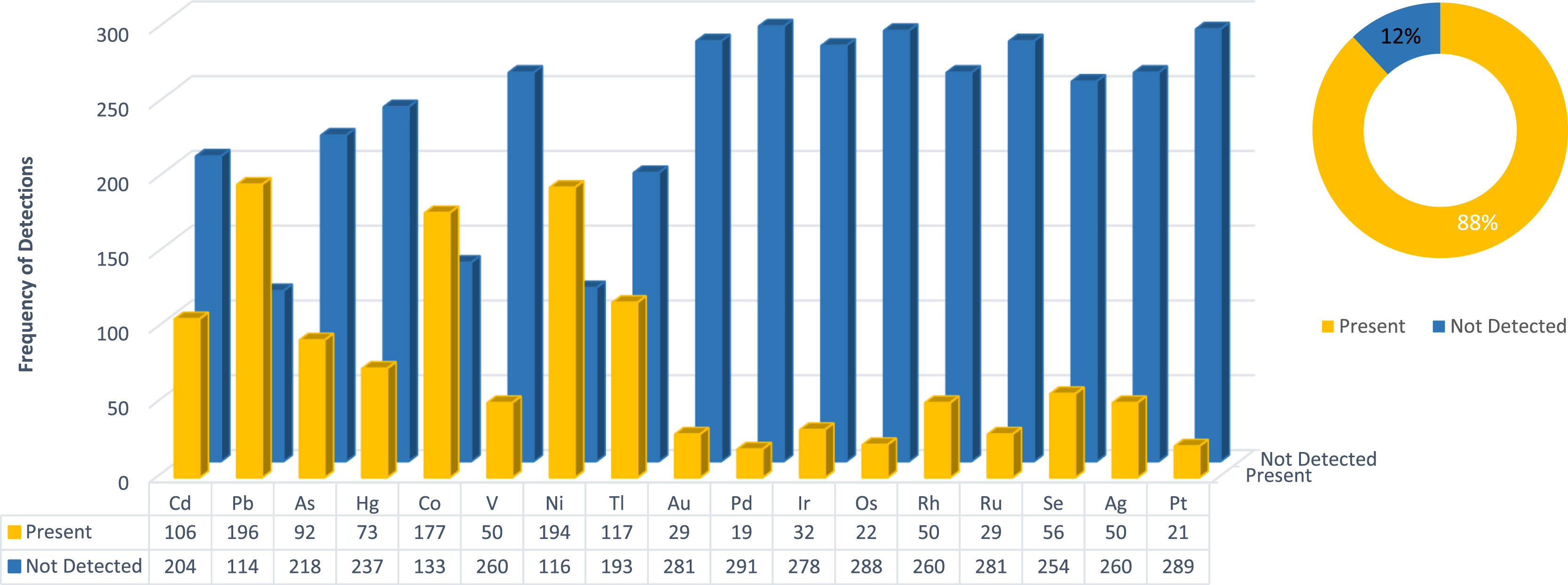 In this 2021 article published in Forensic Science International Reports, Viviers et al. present their findings of a wide assessment of heavy metals content in South African cannabis products. Noting a dearth of such research in the South African market, the authors acquired 310 samples (representing seven different sample types) from "cultivators of plants, producers of products, importers, resellers, and pharmaceutical manufacturers" and had them analyzed for their various residues. The authors turned to inductively coupled plasma mass spectrometry (ICP-MS), the United States Pharmacopeia (USP) <232>/<233> and the International Council for Harmonisation of Technical Requirements for Pharmaceuticals for Human Use (ICH) Q3D to guide their analyses. After a brief discussion of materials and methods, the authors present their results and conclusions. They found "among all residues analyzed, a Class 1 residue will be present in a third of all samples" (cadmium, lead, arsenic, and mercury), 15% of all samples failed heavy metal analysis "when compared against the USP <232>/<233> and ICH Q3D oral specification limit," and 44% failed when compared to the specified inhalation limits. The conclude that "when considering the results obtained, it is exceedingly necessary to have an appropriate quality control system in place, especially for heavy metal residues analysis in the current South African market. "

