

Key Challenges Effecting the Optimization of Supplier Quality Management
 Effective supplier quality management offers value to the operations of any organization by improving efficiency, reducing risks, and helping to ensure that products are safe and have the highest quality.
How to Visualize and Implement a Continuous Improvement Pipeline in a Clinical Laboratory Context
 Clinical diagnostic laboratories may have business goals that include increasing profits, reducing costs, or accelerating innovation. Continuous improvement is an organized approach to identifying opportunities to achieve these types of goals.
[Read More]
Reduce the Calls to Your Laboratory’s Phone with Portals
 Ring, ring, ring…your laboratory’s technicians hear the loud shrill of the phone ceaselessly throughout their shift as clients of all types – doctors, nurses, detectives, product managers and more – call for test updates.
The Importance of Good Data in Supplier Quality Management and How to Improve It
 Supplier quality management is critical to an effective and efficient procurement workflow. By acquiring, controlling, and applying supplier data successfully the organization can have increased command of the supply chain with predictable and consistent performance.
Laboratory Informatics Weekly Update – Volume 19, Issue 43
October 27, 2021 Laboratory Informatics Weekly Update Volume 19, Issue 43 In This Issue Featured Books COVID-19 Testing, Reporting, and Information Management in the Laboratory Featured Content 10/27/2021 - Key Challenges Effecting the Optimization of Supplier Quality ManagementEffective supplier quality management offers value to the operations of any organization by improving efficiency, reducing risks, and helping to ensure that products are safe and have the highest quality. [Read More] 10/27/2021 - How to Visualize and Implement a Continuous Improvement Pipeline in a Clinical Laboratory ContextClinical diagnostic laboratories may have business goals that include increasing profits, reducing costs, or accelerating…Laboratory information management system for the biosafety laboratory: Safety and efficiency
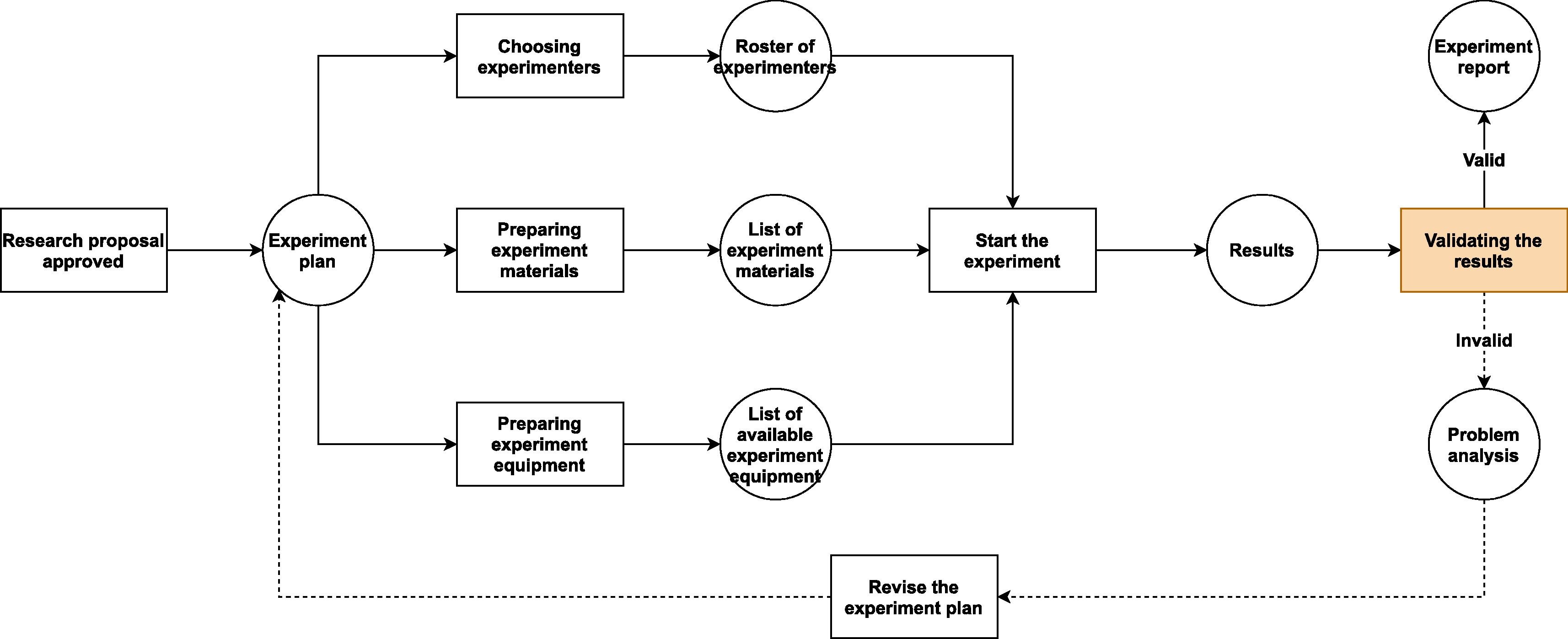 There are numerous laboratory information management systems (LIMS) on the market, but in reality, how many are finely tuned to handle the safety requirements of a biosafety laboratory? At least from the standpoint of Sun et al. of the Institute of Microbiology Chinese Academy of Sciences, few if any meet those needs. As such, the authors, in this 2021 paper published in the Journal of Biosafety and Biosecurity, commence with laying out the unique add-on requirements a standard LIMS would require in order to meet the needs of most biosafety lab. Noting in their introduction "a strange situation, one where biosafety information itself is highly digitalized, yet there is no centralized system designed to better organize that electronic information and enable laboratorians to use it appropriately," the authors then describe what is required to remedy that situation. They note that biosafety and efficiency are tied to four information management aspects of the biosafety lab: project management, personnel administration, experimental material management, and equipment management. The authors then discuss how these areas of management would need to be fortified in a modern LIMS, as well as addressing other areas such as balancing flexibility and complexity and addressing data security.
Kalleid to Present at the Eastern Analytical Symposium (EAS)
 This November, Kalleid will be presenting at the Eastern Analytical Symposium (EAS) November 15-17, 2021, together with Takeda Pharmaceuticals. The topic of the presentation is: “Managing the Change: Lessons Learned from a Global ELN Implementation During the Pandemic” [Read More]
5 Imperatives of Effective Supplier Quality Management
 Fewer than 1 out of every 5 businesses has an effective supplier quality management strategy, according to LNS Research. And more so, those that do have an effective strategy, have a 16 percent lower cost of poor quality (COPQ).
Multilingual Support in LIMS
 One of the challenges in working within multi-national, multi-lingual organizations is that users may be using IT systems whose user interface cannot be presented in their first language. This can decrease efficiency and has the potential to increase mistakes and errors.
ANZU® partners with Healix Pathology LLP to launch an Immunity Management System™ for SARS CoV-2
ANZU®, a technology company, in collaboration with Healix Pathology LLP, a molecular and immunopathology laboratory, announced today that they are offering an Immunity Management System that combines mobile technology, with immunity laboratory testing for COVID-19.Mr. LIMS Speaks: Change Management…Possibly the largest cost of implementing a LIMS
 Newton’s First Law of Motion states that a body at rest will remain at rest unless an outside force acts on it, and a body in motion at a constant velocity will remain in motion in a straight line unless acted upon by an outside force. These natural laws apply equally when applied to a LIMS implementation...
Lab Informatics Project Manager
We are looking for an Lab Informatics / IES Project Manager. As an Project Manager your will be responsible to deliver upon various projects, both internal and external, within, but not limited to, the SID/LED product portfolio. This is involve collaborating right across divisions and functions with the goal to deliver outstanding project outcomes, lessons learned and continuous improvements to our project management delivery.…
Laboratory Informatics Weekly Update – Volume 19, Issue 42
October 20, 2021 Laboratory Informatics Weekly Update Volume 19, Issue 42 In This Issue Featured Books CannaQA Catalog & Price List Featured Content 10/20/2021 - Kalleid to Present at the Eastern Analytical Symposium (EAS)This November, Kalleid will be presenting at the Eastern Analytical Symposium (EAS) November 15-17, 2021, together with Takeda Pharmaceuticals. The topic of the presentation is: “Managing the Change: Lessons Learned from a Global ELN Implementation During the Pandemic” [Read More] 10/20/2021 - 5 Imperatives of Effective Supplier Quality Management Fewer than 1 out of every 5 businesses has an effective supplier quality management strategy, according to LNS…Use of middleware data to dissect and optimize hematology autoverification
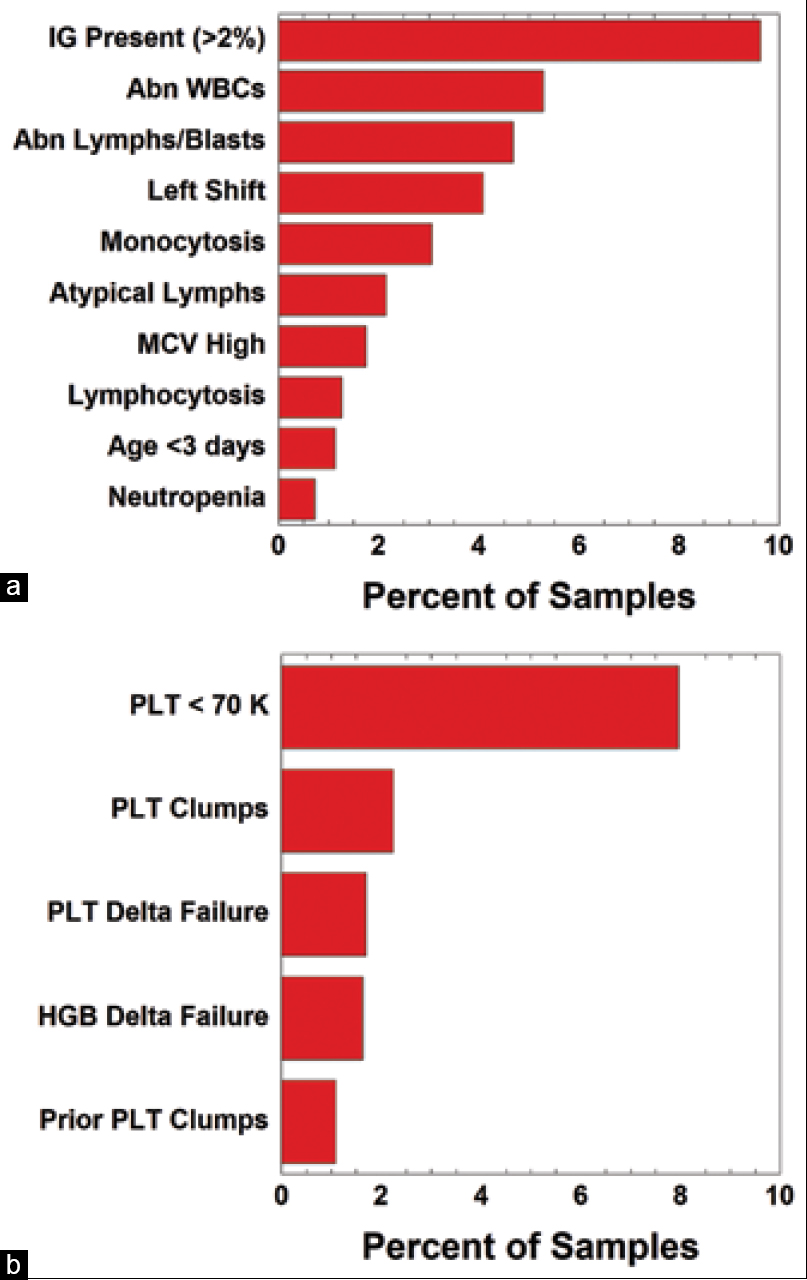 In this 2021 journal article published in the Journal of Pathology Informatics, Starks et al. of the University of Iowa Hospitals and Clinics present their case for the value of autoverification data evaluation despite the inherent challenges of extracting and analyzing data related to autoverification rules from informatics system. Noting that most autoverification rules were housed in their middleware solution and (and not the LIS, which would require additional fields currently not present), they examined instrument- and middleware-generated flags generated from "complete blood count (CBC) with white blood cell (WBC) count differential (Diff) and the 'a la carte' ordering of individual CBC components." Their analysis resulted in two significant changes to their autoverification rules related to those tests, resulting in "improved efficiency and lower rerun rates." However, these insights did come at some investment in time and resources, requiring third-party data retrieval methods and "extensive cleanup and formatting" of the data to actually identify flagged specimens. The authors conclude that these downsides highlight "opportunities for improvement in software tools that allow for more rapid and routine evaluation of autoverification parameters."
Xybion to Present Unified Preclinical R&D Solution and Intelligent Digital Pathology Solutions at the 2021 AALAS National Meeting
 Xybion will be showcasing its industry leading end-to-end animal-centric research software that unifies management of veterinary care, vivarium, facilities, IACUC, studies, compliance, billing, and reporting with powerful analytics in this year’s AALAS National Meeting from October 17-21, 2021. [Read More]
Why the laboratory technician shortage is worse now and how to lessen the sting
 This new wave of COVID era employee shortage sweeping the United States is nothing new for the laboratory profession. From forensic science to clinical diagnostic, every laboratory industry has felt the staffing shortage sting over the years in one way or another.
Which Type of Integration is the Right One: Direct or Indirect?
 In previous posts, we’ve talked about the importance of integrations for clinical diagnostic labs. Integrations can help labs improve business performance, reduce the risk of errors, and boost productivity. In this post, we’ll take a closer look at the differences between direct and indirect integrations.
[Read More]
SCC Soft Computer’s Blood Bank Product Receives 510(k) Clearance from the U.S. Food and Drug Administration
 SCC Soft Computer’s SoftDonor.web™ version 4.5.5.0 received 510(k) clearance from the U.S. Food and Drug Administration (FDA).
SoftDonor.web™ has enhanced features to increase productivity in the laboratory while maintaining compliance with safety regulations.
Autoscribe Demonstrates Matrix Gemini LIMS v6.0 at Lab Innovations
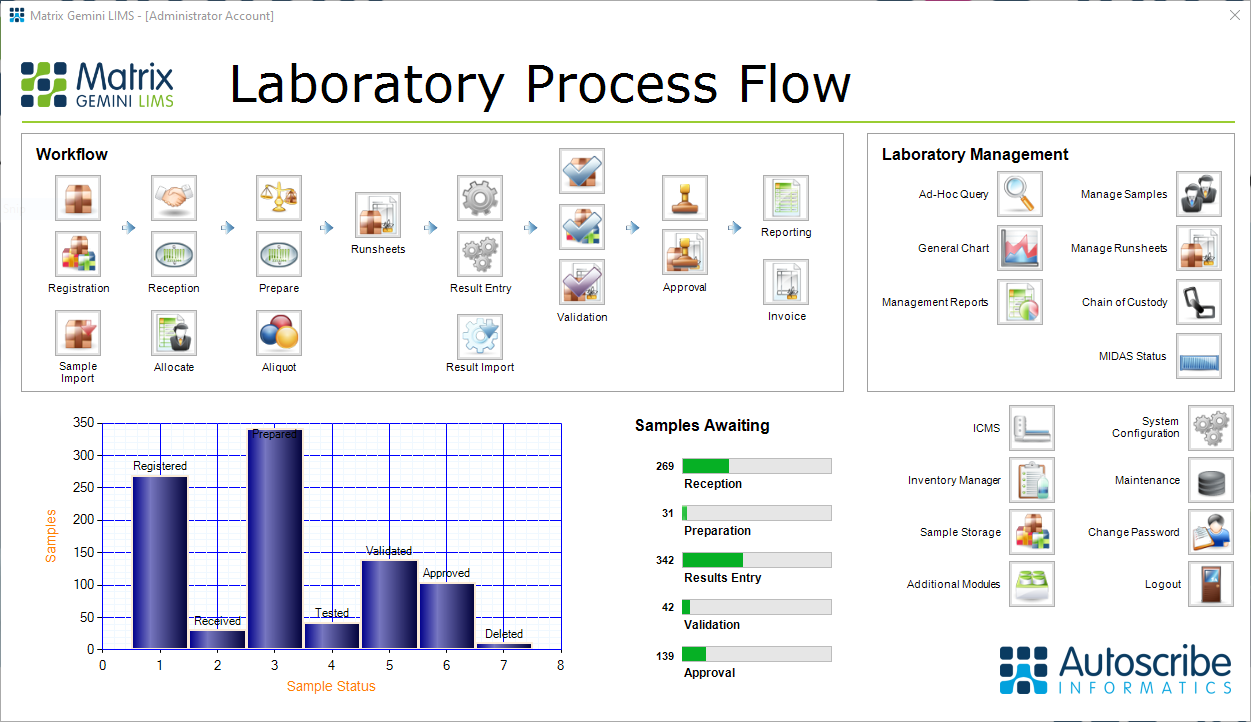
 Celebrating 40 years in business this year, Autoscribe Informatics will be demonstrating Matrix Gemini LIMS v6.0 at the UK’s largest dedicated exhibition for laboratory professionals, Lab Innovations. V6.0 includes multiple enhancements ...
[Read More]

