Posted on November 3, 2021
By CSols Inc.
News

CSols Inc. was recently contracted to validate WinLIMS for Zosano Pharma, a clinical-stage biopharmaceutical company that planned to transition from paper record-keeping & take advantage of the increased efficiency & data accessibility offered by a laboratory information management system (LIMS).
[Read More]
Posted on November 3, 2021
By Strateos, Inc.
Blog

Between October 11-13th, Strateos was a proud participant at the 20/15 Visioneers Cloud Lab, HTE, Lab Automation Virtual Conference alongside other thought leaders in the space such as PerkinElmer, Dotmatics and Gingko Bioworks.
[Read More]
Posted on November 3, 2021
By Corinne Jones
Newsletter
November 3, 2021 Laboratory Informatics Weekly Update Volume 19, Issue 44 In This Issue Featured Books COVID-19 Testing, Reporting, and Information Management in the Laboratory Featured Content 11/03/2021 - OnQ Software at Lab Innovations Conference in Birmingham this Week Lab Innovations 2021 is finally here and we look forward to welcoming everyone to our booth on November 3rd and 4th at the NEC in Birmingham. [Read More] 11/03/2021 - How Your Laboratory Can Overcome Labor ShortagesThe labor shortages sweeping the US and other parts of the world extend to the diagnostic laboratory space as well. The diagnostic laboratory industry was…
Posted on November 2, 2021
By LabLynx
Journal articles
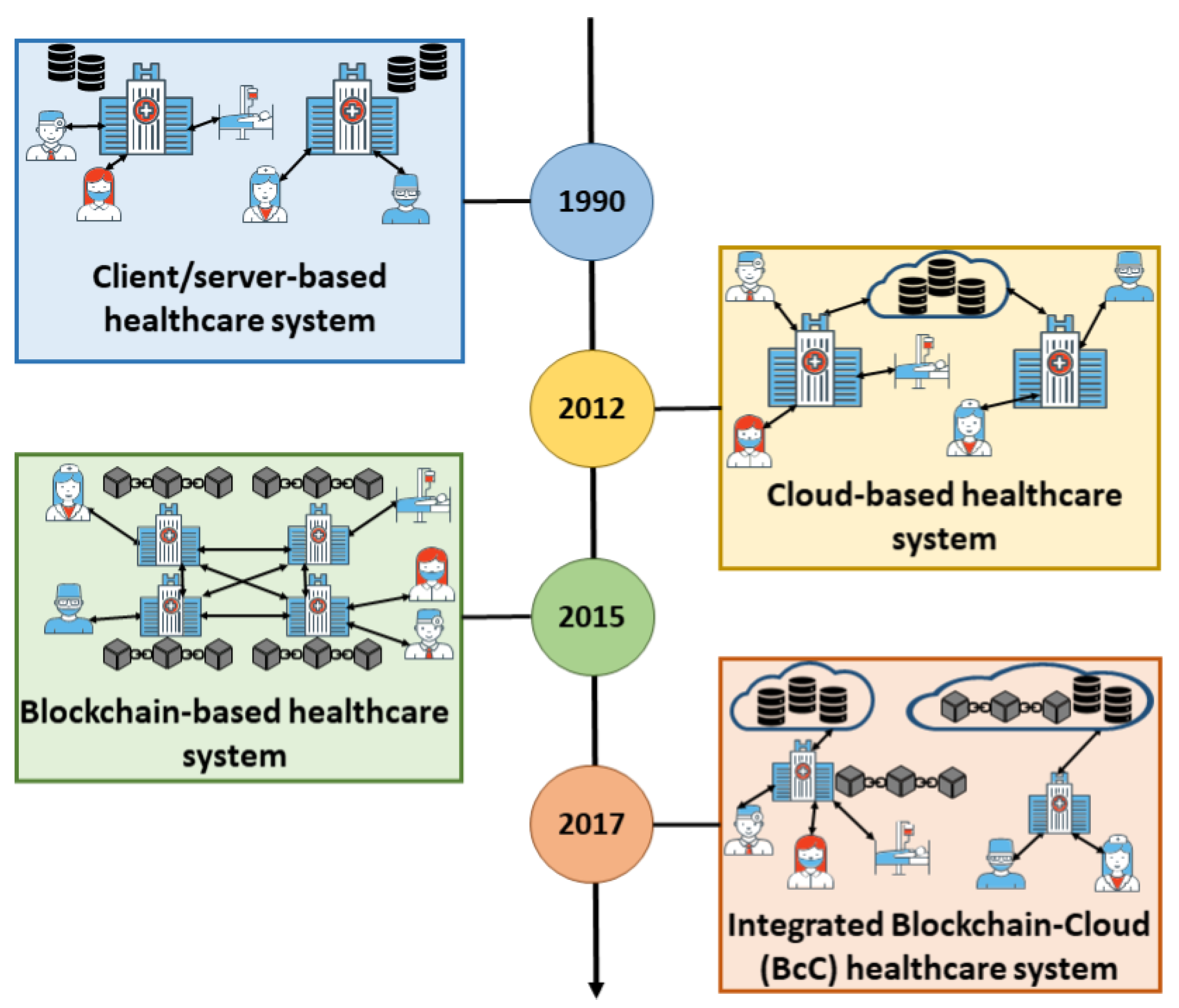
As laboratories continue to swim in an increasing amount of data and attempt to streamline operations, thoughts of turning to cloud-based data management grow. And while cloud-based applications can help, challenges remain with security, privacy, and real-time access. Blockchain-based systems alone can improve on some of those challenges, but blockchain isn't scalable. As such, Ismail
et al. discuss at length in this 2021 paper the benefits of integrating blockchain with cloud-computing systems, as well as the remaining challenges of optimizing such an integration. After presenting existing research and discussing the basics of cloud computing and blockchain, the authors discuss the integration of the two in both encapsulated- and non-encapsulated architectures, as well as how they can be applied to healthcare systems. They close by addressing the remaining challenges of an integrated system, including the energy costs of running such a system. They conclude that while "the integration of cloud and blockchain for healthcare is promising to cope with the shortcomings of these individual technologies ... further research is still required to enhance the existing architecture to make it more scalable and energy-efficient with inter-cloud communication support."


